






Archive: People and Markets
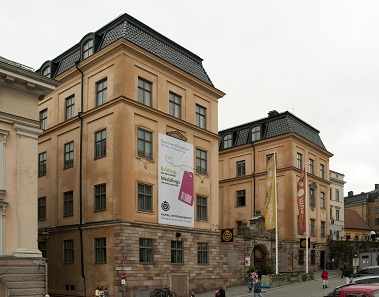
The Royal Coin Cabinet in Stockholm is going to be closed and stripped down
The Swedish national museum of economy is going to be closed down. This entails the relocation of the Royal Coin Cabinet and its notable library. At this point, no one knows where, when or how the coins and books will be available again. Harald Nilsson reports.
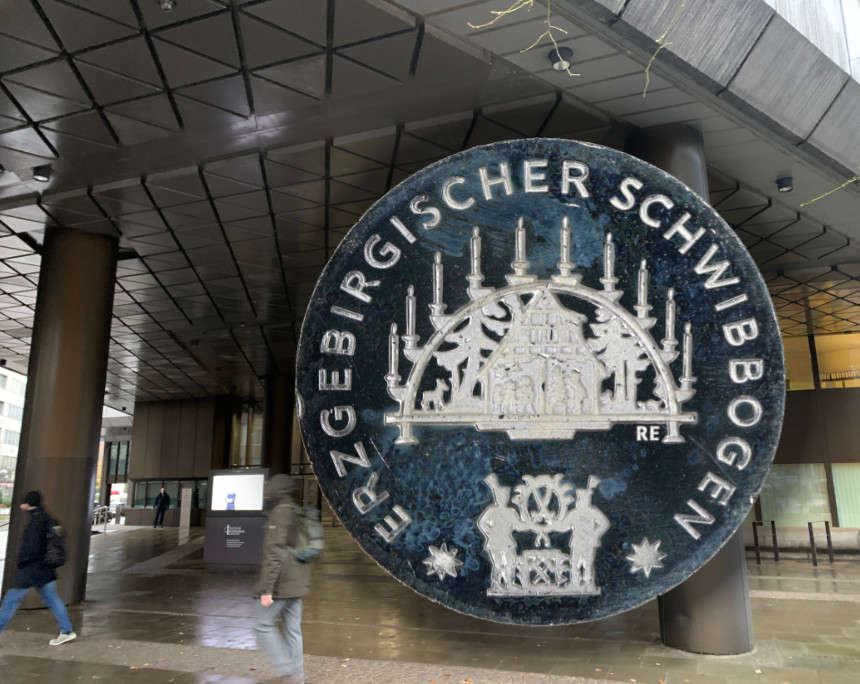
German Collector Coins – Where Are the Collectors?
Every few months, Germany’s latest collector coins can be bought at face value at the counters of the Bundesbank. Sebastian Wieschowski has been on site as a collector and roving reporter for many years. He wonders: why do fewer and fewer coin enthusiasts want to be there when new additions to their own collections are being released?
Archive: Coins, Medals and more
 https://new.coinsweekly.com/wp-content/uploads/2024/02/2024KW08HA_00.jpg
684
860
Ursula Kampmann
https://new.coinsweekly.com/wp-content/uploads/2023/01/logo-coinsweekly_590x204.png
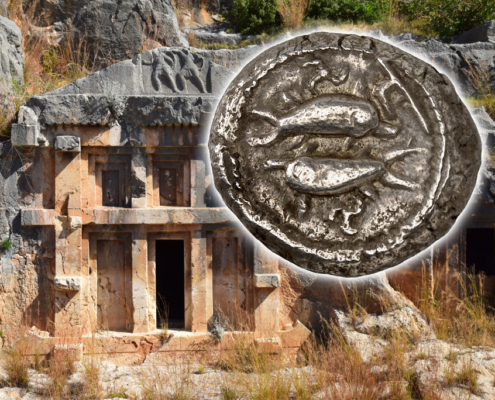
Ursula Kampmann2024-02-22 09:46:292024-02-22 10:15:42The History and Coinage of Lycia
https://new.coinsweekly.com/wp-content/uploads/2024/02/2024KW08HA_00.jpg
684
860
Ursula Kampmann
https://new.coinsweekly.com/wp-content/uploads/2023/01/logo-coinsweekly_590x204.png
Ursula Kampmann2024-02-22 09:46:292024-02-22 10:15:42The History and Coinage of Lycia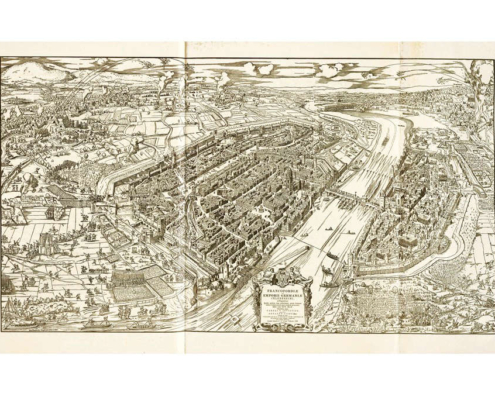 https://new.coinsweekly.com/wp-content/uploads/2023/09/2023KW38HA_00.jpg
684
860
Ursula Kampmann
https://new.coinsweekly.com/wp-content/uploads/2023/01/logo-coinsweekly_590x204.png
Ursula Kampmann2023-09-21 08:00:202023-09-21 14:13:23Two Cityscapes on Coins From Frankfurt am Main and The Artwork That Inspired Them
https://new.coinsweekly.com/wp-content/uploads/2023/09/2023KW38HA_00.jpg
684
860
Ursula Kampmann
https://new.coinsweekly.com/wp-content/uploads/2023/01/logo-coinsweekly_590x204.png
Ursula Kampmann2023-09-21 08:00:202023-09-21 14:13:23Two Cityscapes on Coins From Frankfurt am Main and The Artwork That Inspired Them
Customs Repatriation to Greece Raises Questions
U.S. Customs recently confiscated fifty-one ancient coins and repatriated them to the Greek Government. But was this act really covered by the MOU with Greece? Peter Tompa gives coin collectors some advises.
The Last Coin of the Pobjoy Mint
With the end of November, the history of the Pobjoy Mint also comes to an end today. The mint’s final issue is a Pegasus with a special mintmark for Taya Pobjoy. There is also a gold version of the coin with a mintage of 1.