







Archive: People and Markets
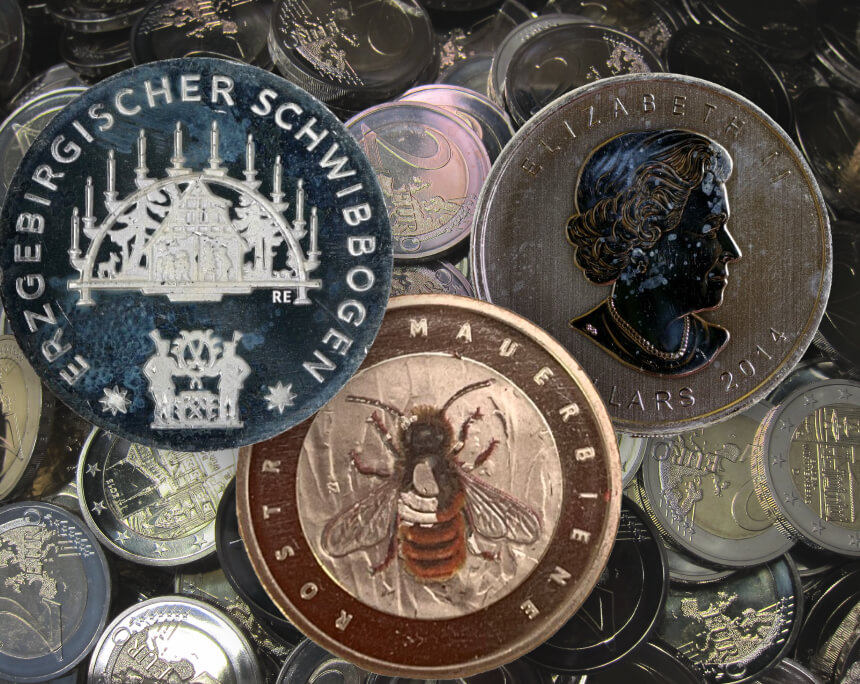
An “Error Coin” No Collector Is Happy About
The quality of the country’s collector coins is the subject of heated debate in Germany. This regards silver coins and colour issues. But the problem is not limited to German mints – the phenomenon of “milk spots” in particular is a major concern for coin producers around the world.
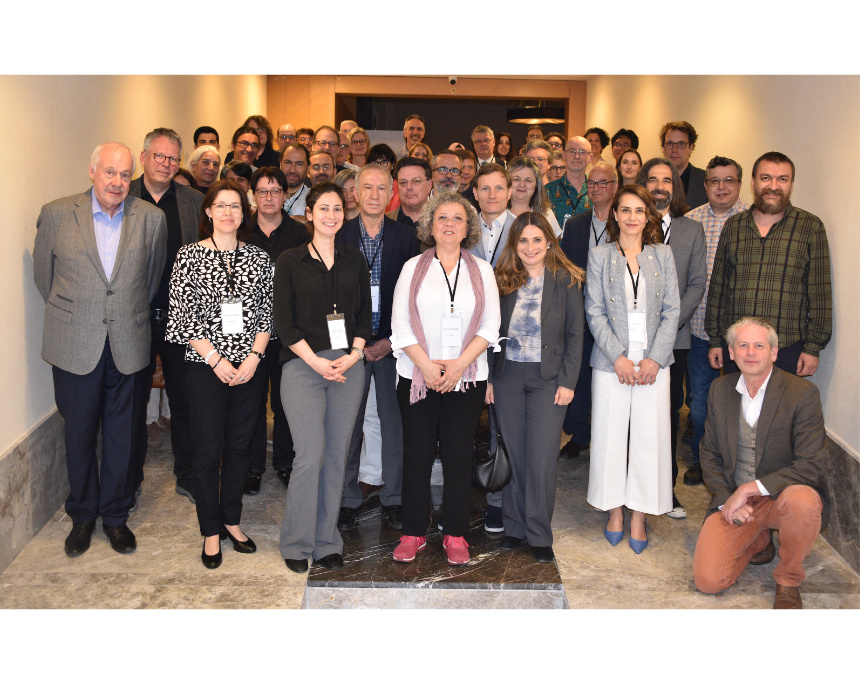
A Numismatic Congress That Will Be Remembered
The 3rd International Congress on the History of Money and Numismatics of the Research Center for Mediterranean Cultures (AKMED) took place in Antalya at the beginning of April. Prof. Johannes Nollé reports on why he believes this congress will remain unforgettable for all participants.
Archive: Coins, Medals and more
 https://new.coinsweekly.com/wp-content/uploads/2023/09/2023KW37HA_00.jpg
684
860
Ursula Kampmann
https://new.coinsweekly.com/wp-content/uploads/2023/01/logo-coinsweekly_590x204.png
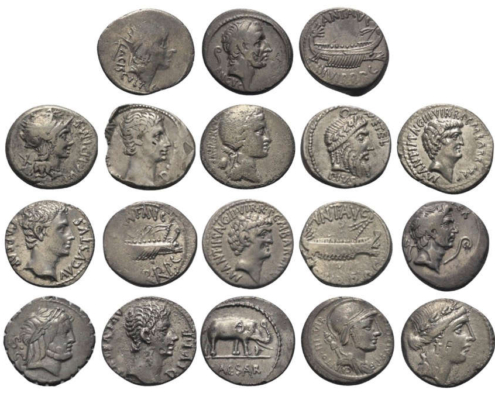
Ursula Kampmann2023-09-14 11:08:452023-09-14 11:10:58The Augustean Denarius Find From Brohl-Lützing Offered at Auction
https://new.coinsweekly.com/wp-content/uploads/2023/09/2023KW37HA_00.jpg
684
860
Ursula Kampmann
https://new.coinsweekly.com/wp-content/uploads/2023/01/logo-coinsweekly_590x204.png
Ursula Kampmann2023-09-14 11:08:452023-09-14 11:10:58The Augustean Denarius Find From Brohl-Lützing Offered at Auction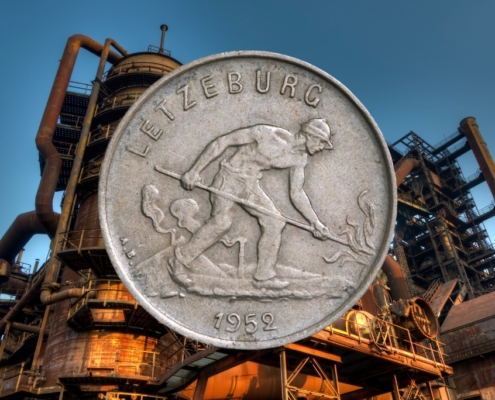 https://new.coinsweekly.com/wp-content/uploads/2024/02/2024KW09aHauptartikel_00.jpg
684
860
Ursula Kampmann
https://new.coinsweekly.com/wp-content/uploads/2023/01/logo-coinsweekly_590x204.png
Ursula Kampmann2024-02-29 09:19:272024-02-29 14:11:43A Coin on a Coin: Luxembourg to Resurrect the “Feierstëppler”
https://new.coinsweekly.com/wp-content/uploads/2024/02/2024KW09aHauptartikel_00.jpg
684
860
Ursula Kampmann
https://new.coinsweekly.com/wp-content/uploads/2023/01/logo-coinsweekly_590x204.png
Ursula Kampmann2024-02-29 09:19:272024-02-29 14:11:43A Coin on a Coin: Luxembourg to Resurrect the “Feierstëppler”
Manfred Dunker Honored as the Founder of Modern Coin Marketing
Manfred Dunker played a decisive role in the creation of MDM and is probably the most influential person in the history of modern commemorative coins. At the World Money Fair 2025, Samlerhuset Group paid tribute to its most important employee.
Coin of the Year: Surprising Picks and Standout Themes from the Oscars of Numismatics
Every year, collectors around the world eagerly await the nominations for the Coin of the Year (COTY) Award, which honors the most outstanding coin issues from across the globe.