






Archive: People and Markets
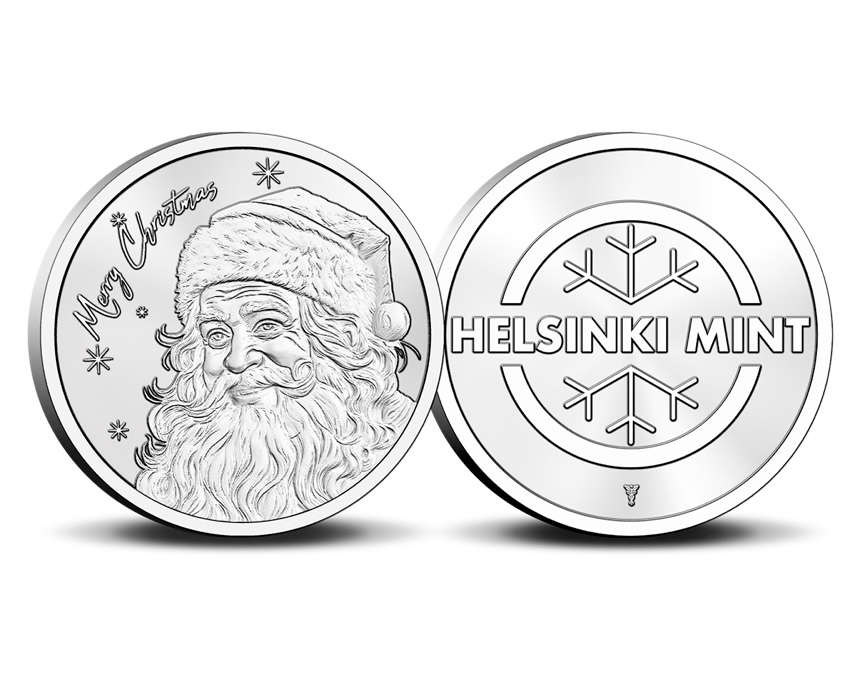
The Mint of Finland is Dead, Long Live the Helsinki Mint
September brought bad news for the numismatic world: the Mint of Finland, once a prolific producer of circulation coins for numerous euro countries, announced it would cease operations. Many questions have since remained unanswered – but one key point is now clear: the future of Finnish coin production has been decided.

Red Alert at the British Museum
Thousands of objects have disappeared from the British Museum – allegedly stolen by a senior curator. The matter was uncovered by an antiquities dealer, whose warnings fell on deaf ears. The museum’s director has stepped down, and this seems to be merely the tip of the iceberg.
Archive: Coins, Medals and more
 https://new.coinsweekly.com/wp-content/uploads/2023/06/00_DSC04222.png
506
500
Bruno
https://new.coinsweekly.com/wp-content/uploads/2023/01/logo-coinsweekly_590x204.png
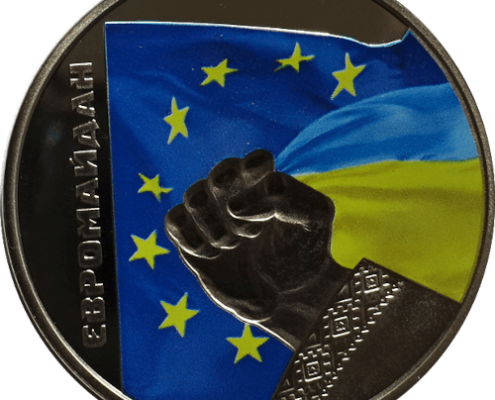
Bruno2022-06-13 12:00:452023-07-03 12:18:15The National Identity of Modern Ukraine on its Commemorative Coins
https://new.coinsweekly.com/wp-content/uploads/2023/06/00_DSC04222.png
506
500
Bruno
https://new.coinsweekly.com/wp-content/uploads/2023/01/logo-coinsweekly_590x204.png
Bruno2022-06-13 12:00:452023-07-03 12:18:15The National Identity of Modern Ukraine on its Commemorative Coins https://new.coinsweekly.com/wp-content/uploads/2025/01/2025KW05HA01_00.jpg
684
860
Lucie Loechel
https://new.coinsweekly.com/wp-content/uploads/2023/01/logo-coinsweekly_590x204.png
Lucie Loechel2025-01-29 10:30:092025-01-30 07:13:21Record! South African Rarity Leaves All Previous Top Prices Far Behind
https://new.coinsweekly.com/wp-content/uploads/2025/01/2025KW05HA01_00.jpg
684
860
Lucie Loechel
https://new.coinsweekly.com/wp-content/uploads/2023/01/logo-coinsweekly_590x204.png
Lucie Loechel2025-01-29 10:30:092025-01-30 07:13:21Record! South African Rarity Leaves All Previous Top Prices Far Behind
The Money and Medals Network: A New Era
With the end of financing and their relocation, the Money and Medals Network in Great Britain faces new opportunities and challenges.
Baldrs Horse: Detectorist Makes “Find of the Century” in Norway
On the Norwegian island of Rennesøy, a metal detectorist recently made an extraordinary gold find that was buried long before the Viking Age. The nine coin-like gold pendants engraved with rare horse symbols discovered along with ten gold beads and three gold rings are the first find of this kind in Norway since the 19th century.