








Archive: People and Markets
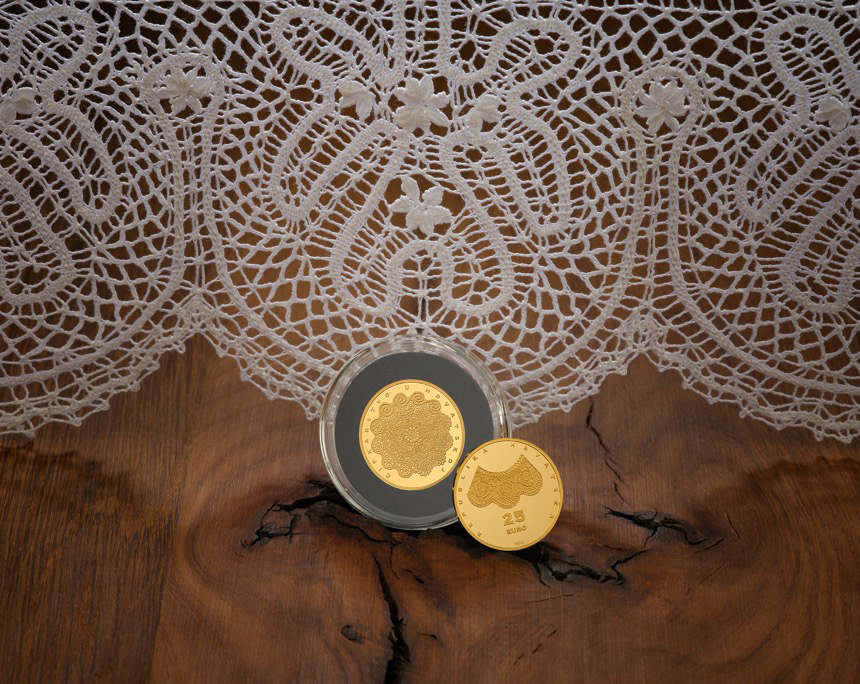
Croatia’s New “Lace-Making in Croatia” Gold Coins
Croatia has released three new gold commemorative coins to pay tribute to lace-making, a tradition recognised by UNESCO. The manufacture of lace in Pag, Hvar, and Lepoglava has been part of the Intangible Cultural Heritage of Humanity since 2009.
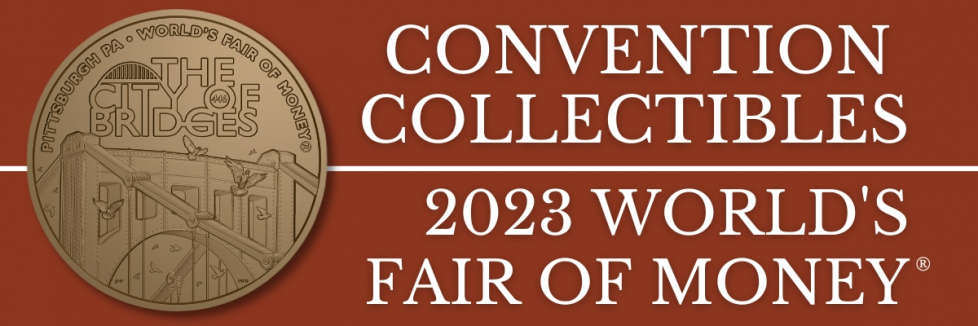
World’s Fair of Money Convention Medal 2023
The 2023 World’s Fair of Money will have a special Convention Medal. Medallic artist Jamie Franki has designed a medal featuring what makes the conventions’s location Pittsburgh unique in the world.
Archive: Coins, Medals and more
 https://new.coinsweekly.com/wp-content/uploads/2023/12/2023KW51HA_00.jpg
684
860
Ursula Kampmann
https://new.coinsweekly.com/wp-content/uploads/2023/01/logo-coinsweekly_590x204.png
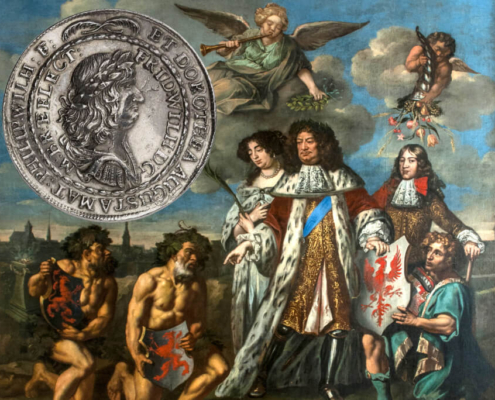
Ursula Kampmann2023-12-21 09:39:422023-12-21 09:51:29The Great Elector, Taxes and the Rise of Prussia
https://new.coinsweekly.com/wp-content/uploads/2023/12/2023KW51HA_00.jpg
684
860
Ursula Kampmann
https://new.coinsweekly.com/wp-content/uploads/2023/01/logo-coinsweekly_590x204.png
Ursula Kampmann2023-12-21 09:39:422023-12-21 09:51:29The Great Elector, Taxes and the Rise of Prussia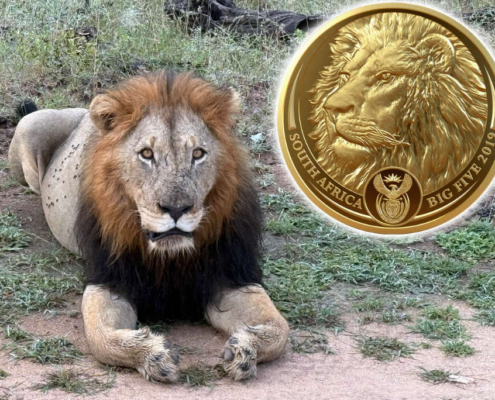 https://new.coinsweekly.com/wp-content/uploads/2025/06/00IMG_0657.jpg
684
860
Ursula Kampmann
https://new.coinsweekly.com/wp-content/uploads/2023/01/logo-coinsweekly_590x204.png
Ursula Kampmann2025-06-12 09:24:042025-06-12 09:38:54In Search of the Big Five
https://new.coinsweekly.com/wp-content/uploads/2025/06/00IMG_0657.jpg
684
860
Ursula Kampmann
https://new.coinsweekly.com/wp-content/uploads/2023/01/logo-coinsweekly_590x204.png
Ursula Kampmann2025-06-12 09:24:042025-06-12 09:38:54In Search of the Big Five
Manfred Dunker Honored as the Founder of Modern Coin Marketing
Manfred Dunker played a decisive role in the creation of MDM and is probably the most influential person in the history of modern commemorative coins. At the World Money Fair 2025, Samlerhuset Group paid tribute to its most important employee.
The Last Coin of the Pobjoy Mint
With the end of November, the history of the Pobjoy Mint also comes to an end today. The mint’s final issue is a Pegasus with a special mintmark for Taya Pobjoy. There is also a gold version of the coin with a mintage of 1.