







Archive: People and Markets
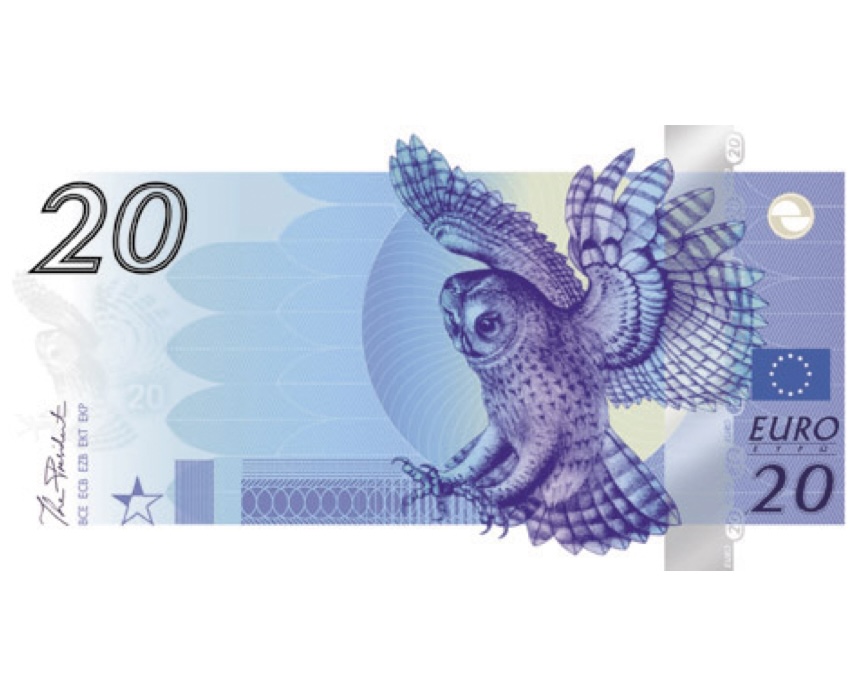
Possible Motifs Selected for Future Euro Banknotes
The Governing Council of the European Central Bank (ECB) has agreed on potential motifs for future Euro banknotes.
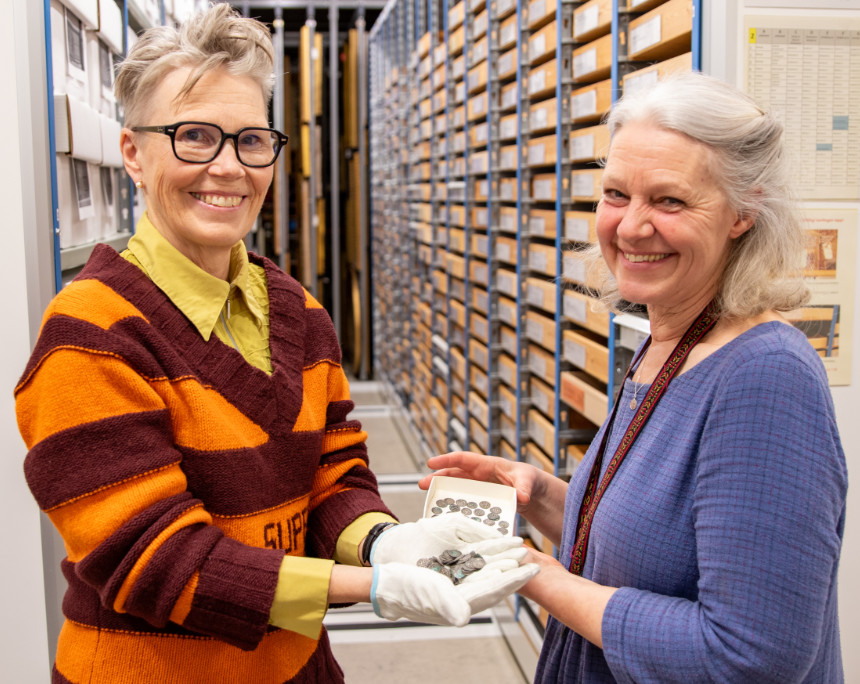
The Brahekyrkan Coin Hoard – A Sensational Find on Visingsö
Swedish archaeologists made a spectacular discovery on the island of Visingsö. They found 170 coins from the mid-12th century in a grave, posing a number of questions.
Archive: Coins, Medals and more
 https://new.coinsweekly.com/wp-content/uploads/2024/03/2024KW12bHA_00.jpg
684
860
Ursula Kampmann
https://new.coinsweekly.com/wp-content/uploads/2023/01/logo-coinsweekly_590x204.png
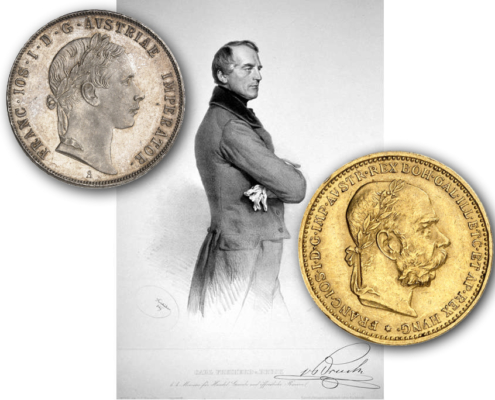
Ursula Kampmann2024-03-21 08:00:102024-03-21 08:09:54A War Fought with Unusual Weapons: How Prussia Used Finance and Politics to Force the Habsburg Hereditary Lands Out of the German Confederation
https://new.coinsweekly.com/wp-content/uploads/2024/03/2024KW12bHA_00.jpg
684
860
Ursula Kampmann
https://new.coinsweekly.com/wp-content/uploads/2023/01/logo-coinsweekly_590x204.png
Ursula Kampmann2024-03-21 08:00:102024-03-21 08:09:54A War Fought with Unusual Weapons: How Prussia Used Finance and Politics to Force the Habsburg Hereditary Lands Out of the German Confederation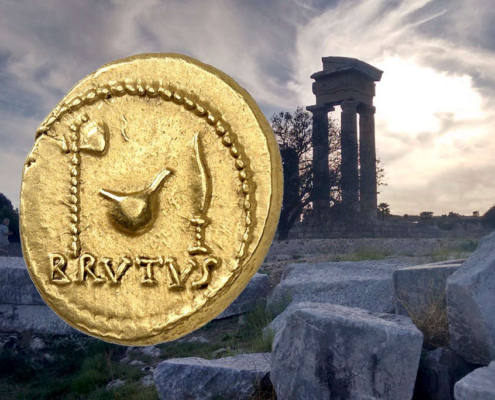 https://new.coinsweekly.com/wp-content/uploads/2024/10/2024KW40HA2_00.jpg
684
860
Bruno
https://new.coinsweekly.com/wp-content/uploads/2023/01/logo-coinsweekly_590x204.png
Bruno2024-10-02 13:24:392024-10-15 09:16:49Gold from Rhodes for the Battle for Rome
https://new.coinsweekly.com/wp-content/uploads/2024/10/2024KW40HA2_00.jpg
684
860
Bruno
https://new.coinsweekly.com/wp-content/uploads/2023/01/logo-coinsweekly_590x204.png
Bruno2024-10-02 13:24:392024-10-15 09:16:49Gold from Rhodes for the Battle for Rome
Thomas J. Uram to Become ANA’s 63rd President
Thomas J. Uram was elected the 63rd President of the American Numismatic Association. He will be sworn in at Pittsburgh World’s Fair of Money. View the results for the new Board of Governors.
Questions and Answers for Coin Collectors Regarding the Death of Pope Francis
Following five different coin series since 2002, the Vatican is set to issue new euro coins this year. When the change to a new pope on the coins will take place, and how the Sede Vacante will be commemorated numismatically, remains unclear – as does the timing for the return of the Vatican’s coin issuing office for collectors.