











Archive: People and Markets
Numismatic Fine Art – A New Auction House Introduces Itself
Numismatic Fine Art has been operating an online store for some time already, and now the first auction is about to take place. Here, André Bollinger introduces his company to the numismatic community.
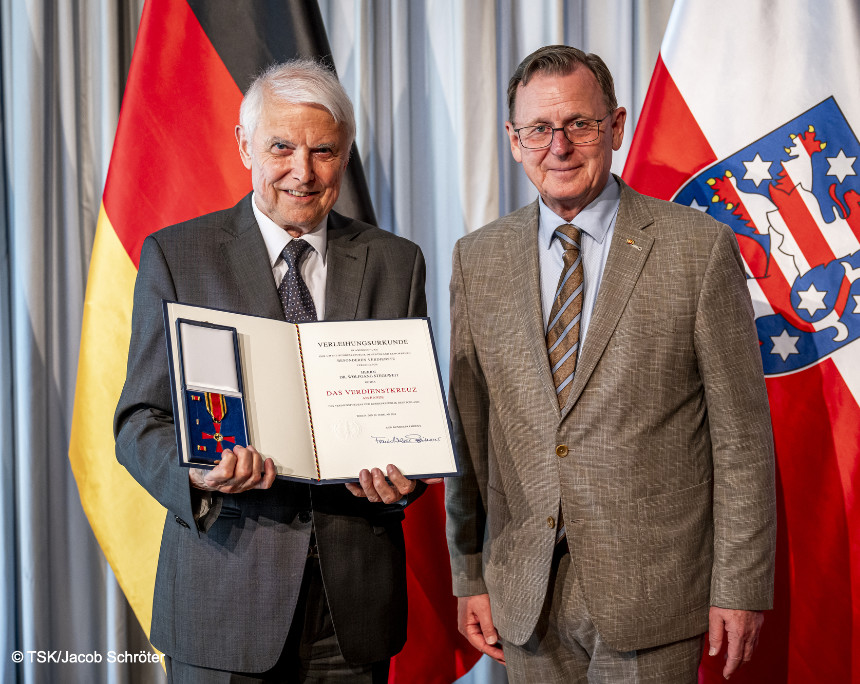
Wolfgang Steguweit Receives the Federal Cross of Merit
The renowned numismatist Wolfgang Steguweit has been awarded the Order of Merit of the Federal Republic of Germany. The German President has thus honoured Steguweit’s cultural achievements – and not only in the field of numismatics.
Archive: Coins, Medals and more
 https://new.coinsweekly.com/wp-content/uploads/2023/06/2023KW25HA01_00.jpg
750
1000
Ursula Kampmann
https://new.coinsweekly.com/wp-content/uploads/2023/01/logo-coinsweekly_590x204.png
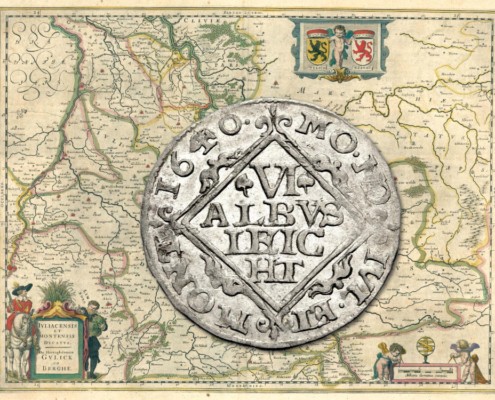
Ursula Kampmann2023-06-21 17:00:302023-06-27 11:18:18A Discovery From Jülich-Berg
https://new.coinsweekly.com/wp-content/uploads/2023/06/2023KW25HA01_00.jpg
750
1000
Ursula Kampmann
https://new.coinsweekly.com/wp-content/uploads/2023/01/logo-coinsweekly_590x204.png
Ursula Kampmann2023-06-21 17:00:302023-06-27 11:18:18A Discovery From Jülich-Berg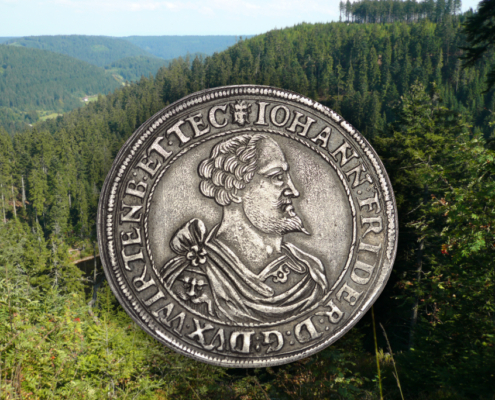 https://new.coinsweekly.com/wp-content/uploads/2024/09/2024KW36HA_00.jpg
684
860
Lucie Loechel
https://new.coinsweekly.com/wp-content/uploads/2023/01/logo-coinsweekly_590x204.png
Lucie Loechel2024-09-05 10:46:502024-09-05 13:34:39Silver for Württemberg
https://new.coinsweekly.com/wp-content/uploads/2024/09/2024KW36HA_00.jpg
684
860
Lucie Loechel
https://new.coinsweekly.com/wp-content/uploads/2023/01/logo-coinsweekly_590x204.png
Lucie Loechel2024-09-05 10:46:502024-09-05 13:34:39Silver for Württemberg
A Celebration of Spanish Numismatics
On 28 and 29 June 2024, the first Evento Numismático Internacional was held in Madrid. Dealers and collectors had high expectations – and the event exceeded them. The atmosphere in Madrid was one of exceptional excitement.
Decline in Print Business: MDM Announces Job Cuts
The Münzhandelsgesellschaft in Brunswick reports a decline in sales and plans to reorganise its sales and develop new products.