






Archive: People and Markets
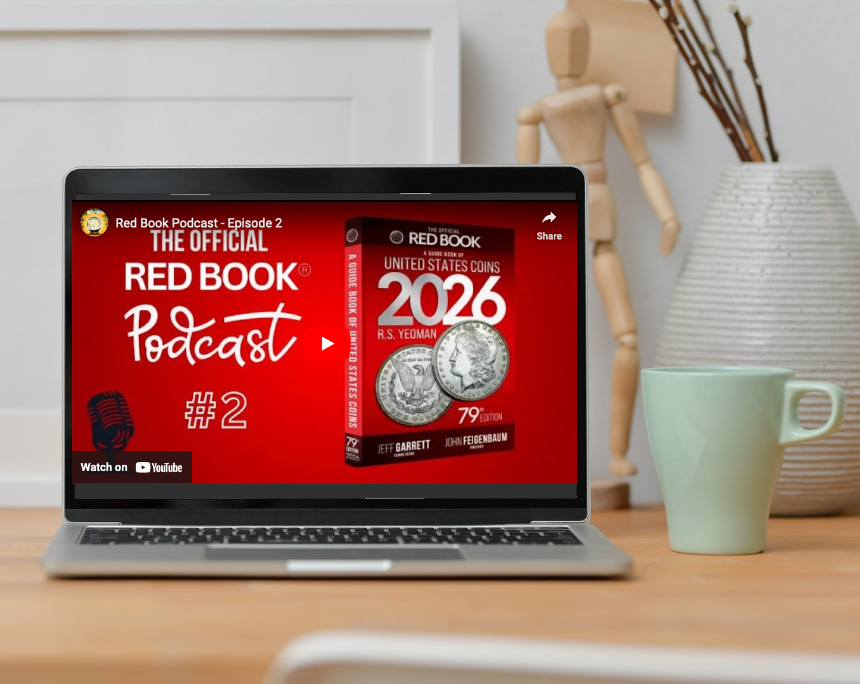
Greysheet Launches Red Book Podcast Series
Greysheet launched The Red Book Podcast, a new online series hosted by John Feigenbaum and Jeff Garrett. The podcast delves into the rich history and fascinating stories surrounding the legendary A Guide Book of United States Coins, affectionately known as the “Red Book”.
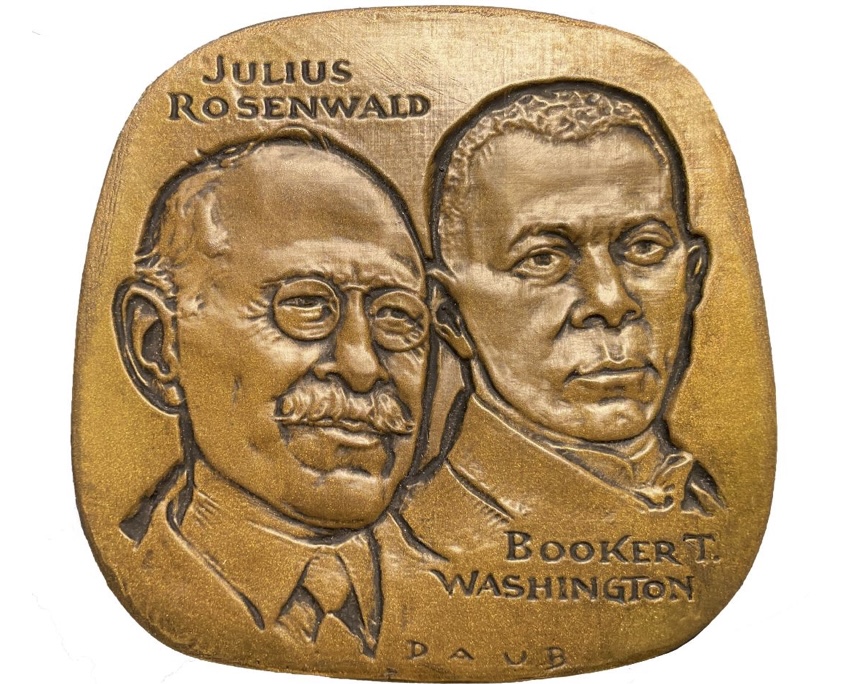
Jewish-American Hall of Fame honors Julius Rosenwald and Booker T. Washington
The Jewish-American Hall of Fame is celebrating May as Jewish American Heritage Month by issuing art medals honoring Julius Rosenwald, who appears along with his friend and associate Booker T. Washington. These Renaissance-style high relief medals are the 56th in the longest continuing series of art medals in America.
Archive: Coins, Medals and more
 https://new.coinsweekly.com/wp-content/uploads/2024/02/2024KW09aHauptartikel_00.jpg
684
860
Ursula Kampmann
https://new.coinsweekly.com/wp-content/uploads/2023/01/logo-coinsweekly_590x204.png
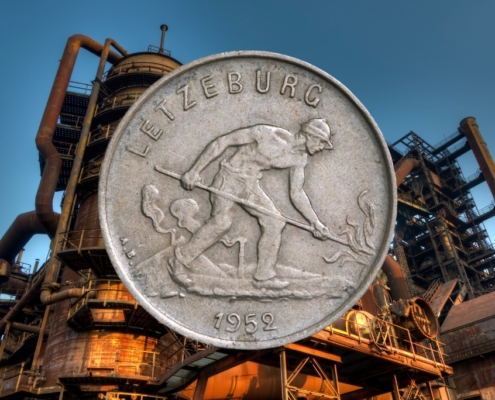
Ursula Kampmann2024-02-29 09:19:272024-02-29 14:11:43A Coin on a Coin: Luxembourg to Resurrect the “Feierstëppler”
https://new.coinsweekly.com/wp-content/uploads/2024/02/2024KW09aHauptartikel_00.jpg
684
860
Ursula Kampmann
https://new.coinsweekly.com/wp-content/uploads/2023/01/logo-coinsweekly_590x204.png
Ursula Kampmann2024-02-29 09:19:272024-02-29 14:11:43A Coin on a Coin: Luxembourg to Resurrect the “Feierstëppler”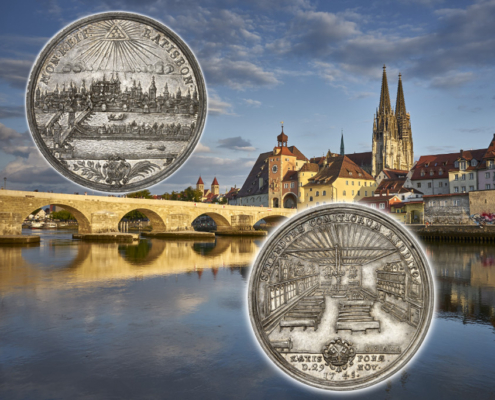 https://new.coinsweekly.com/wp-content/uploads/2024/03/2024KW12HA_00.jpg
684
860
Ursula Kampmann
https://new.coinsweekly.com/wp-content/uploads/2023/01/logo-coinsweekly_590x204.png
Ursula Kampmann2024-03-14 11:47:492024-03-14 11:57:08Regensburg: Where the Emperor and the Empire Met
https://new.coinsweekly.com/wp-content/uploads/2024/03/2024KW12HA_00.jpg
684
860
Ursula Kampmann
https://new.coinsweekly.com/wp-content/uploads/2023/01/logo-coinsweekly_590x204.png
Ursula Kampmann2024-03-14 11:47:492024-03-14 11:57:08Regensburg: Where the Emperor and the Empire Met
Customs Repatriation to Greece Raises Questions
U.S. Customs recently confiscated fifty-one ancient coins and repatriated them to the Greek Government. But was this act really covered by the MOU with Greece? Peter Tompa gives coin collectors some advises.
CIT’s Iron Maiden Series: Pop Culture Meets Minting Technology
CIT teamed up with Iron Maiden to release a coin series, celebrating the creativity of one of the world’s most successful heavy metal groups. The British musicians have reinvented themselves time and time again. As a result, no two coins in CIT’s Iron Maiden series are alike. With its latest issue, CIT is now rounding out the series.