







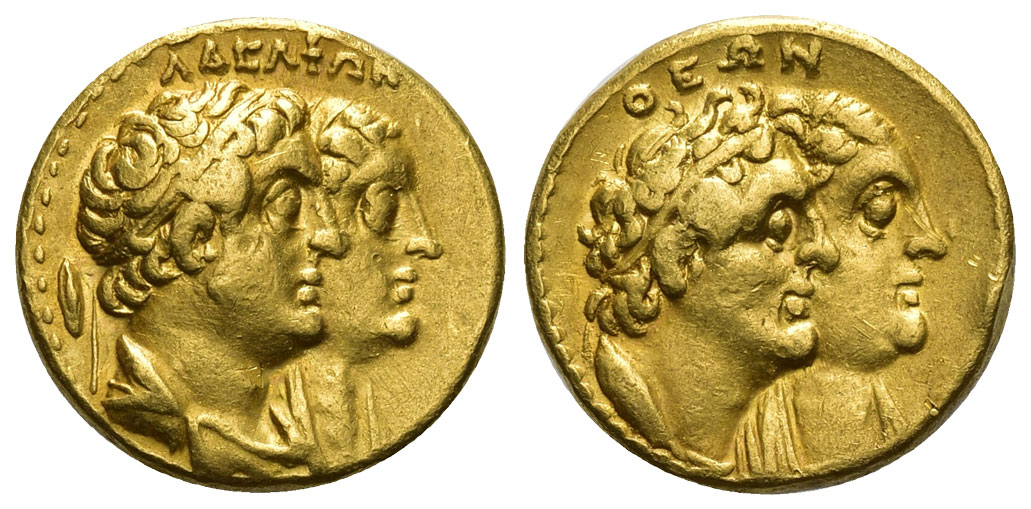
AV Tetradrachm (282–272 BC),
King Ptolemy II and Queen Arsinoe II.
From the major collection of Alexandria mint.
Condition: vf+
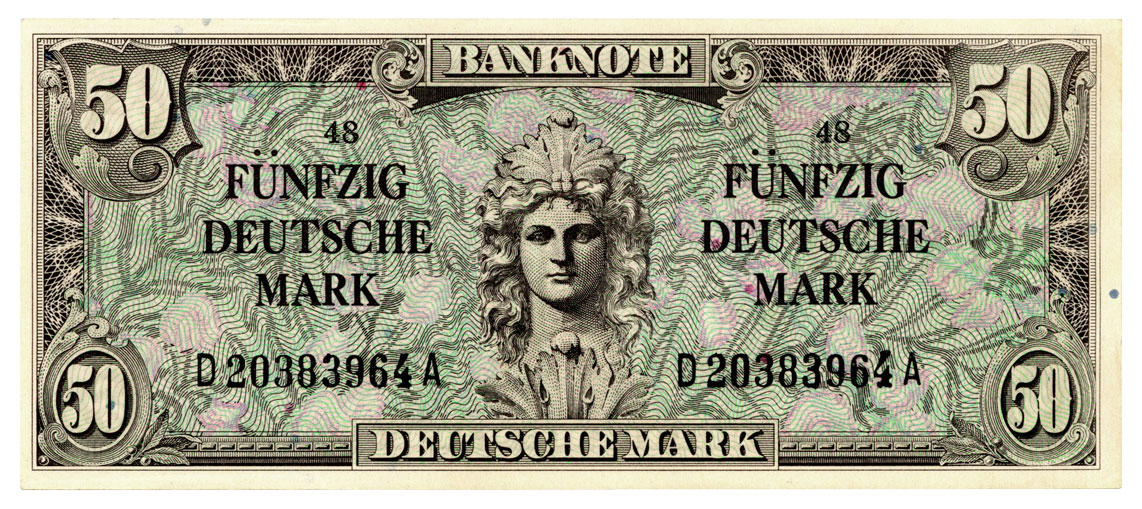
50 Deutsche Mark o.D. ( 1948-1949) "Liberty".
Condition: extremly rare, I
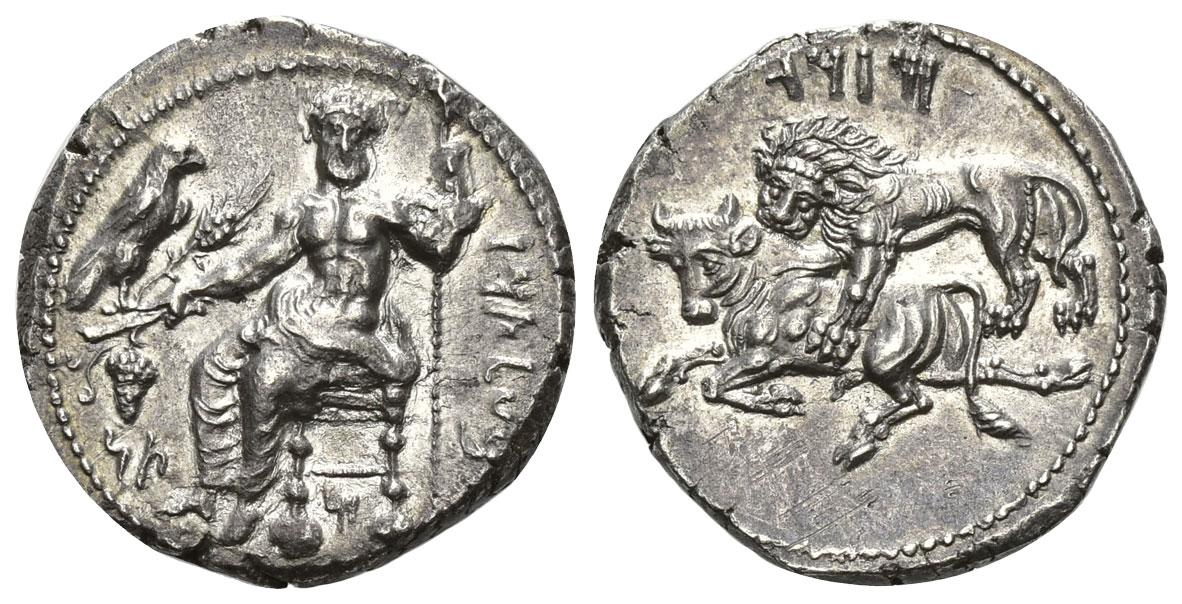
AR Stater (361-334 BC).
Obv. Baal of Tarsos.
Conditon: ef
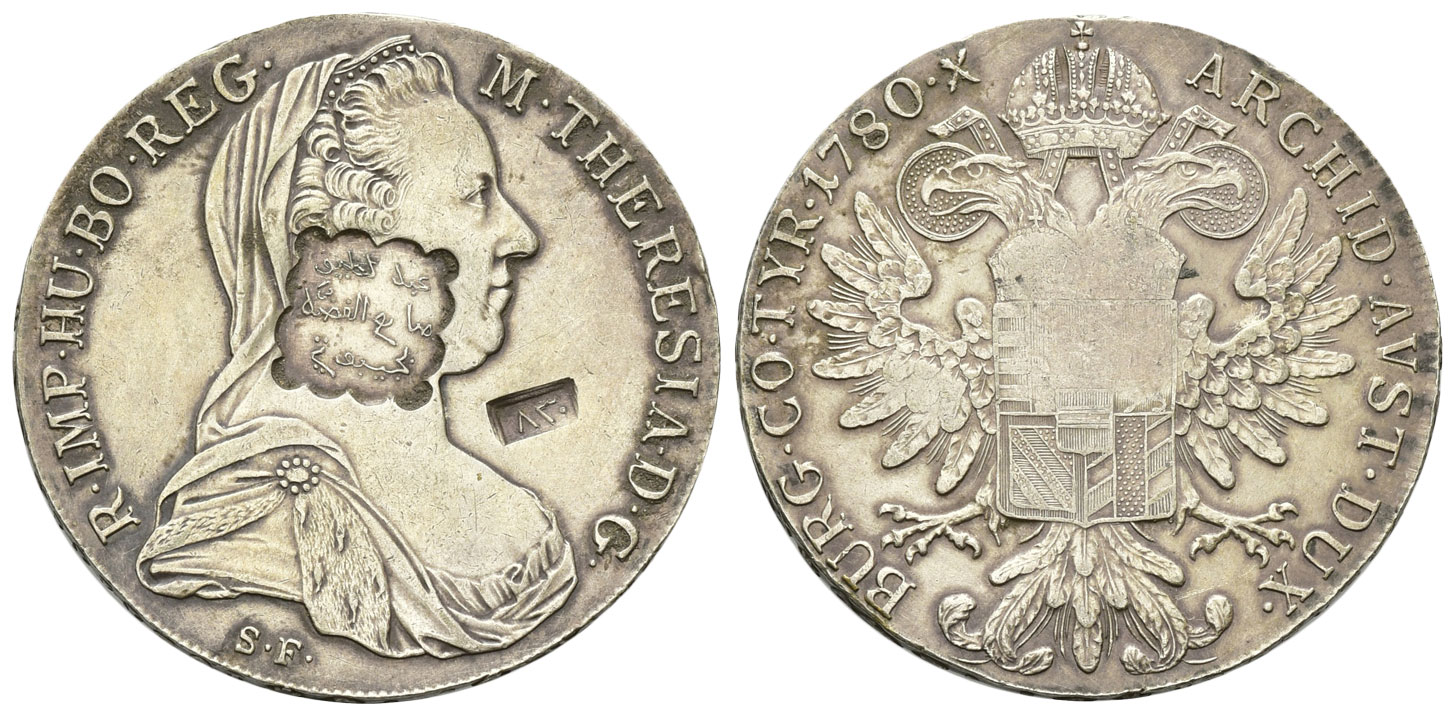
Taler 1780 SF
with counter stamp Djibouti (1870-1900).
Condition: vf
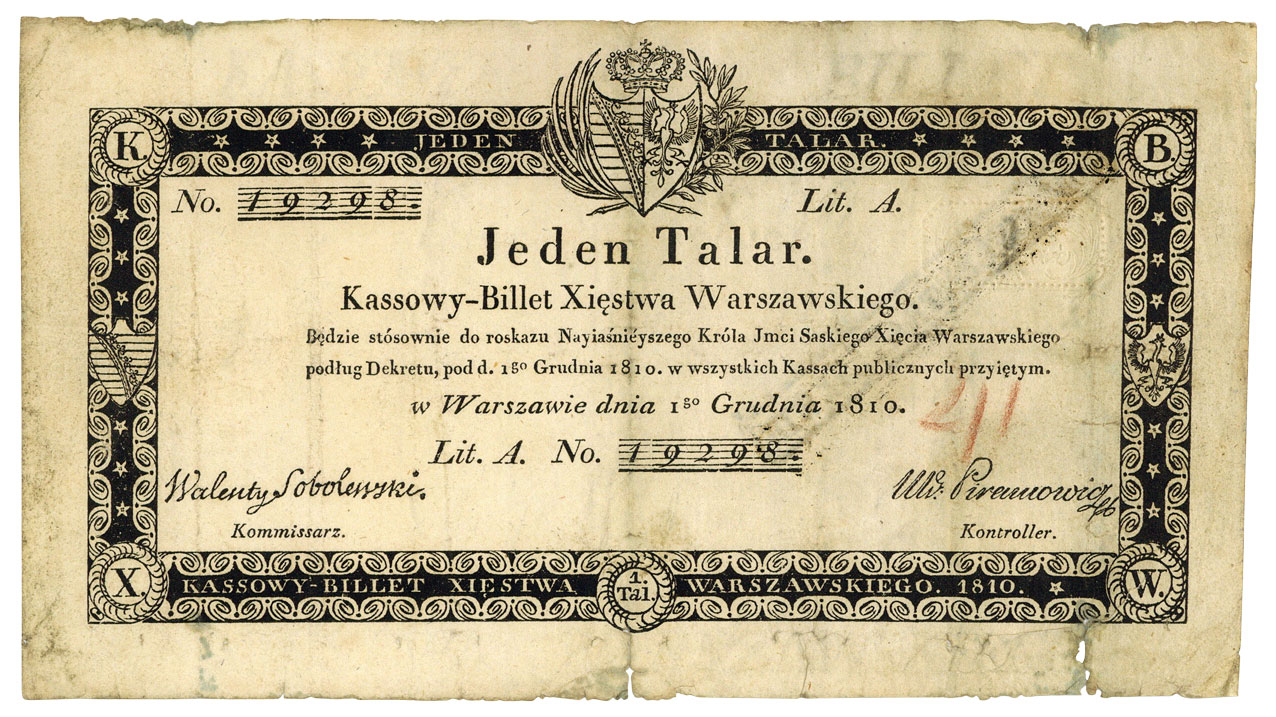
1 Talar 1. December 1810.
Condition: III-IV
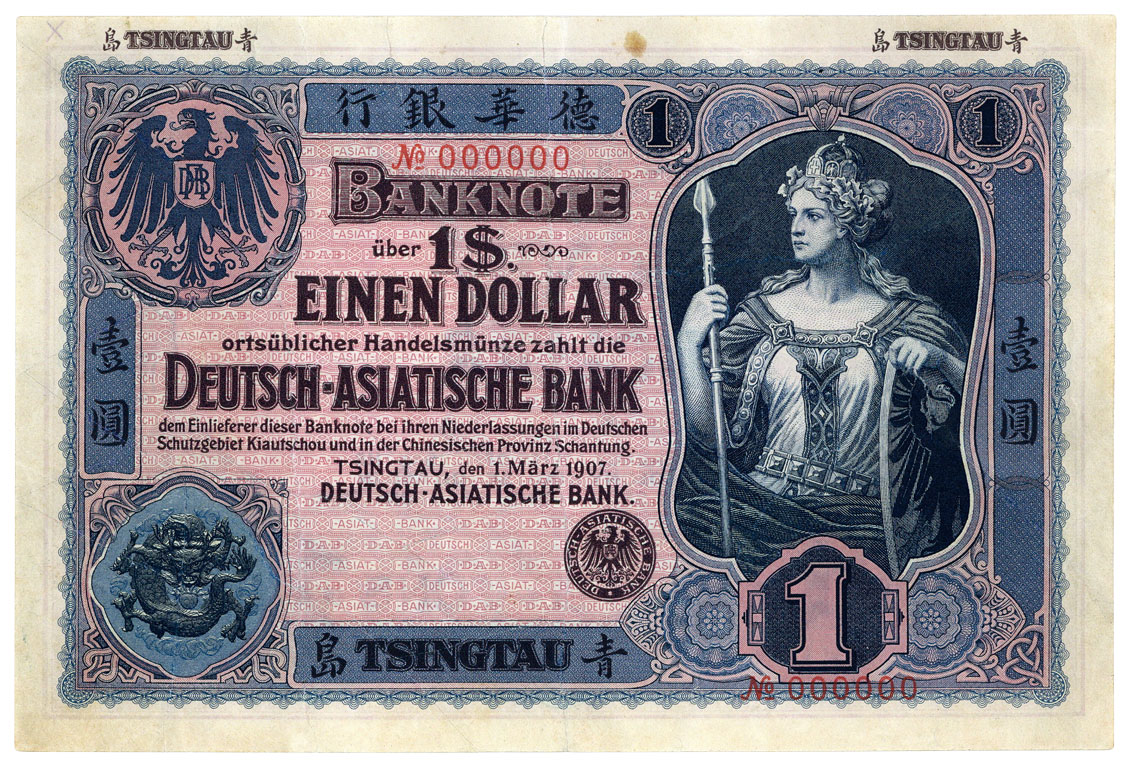
1 Dollar 1.3.1907, Tsingtao.
Condition: very rare, restored
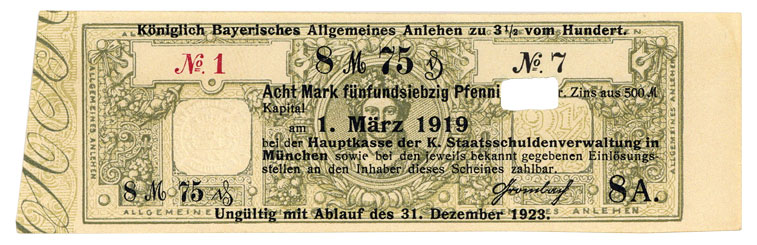
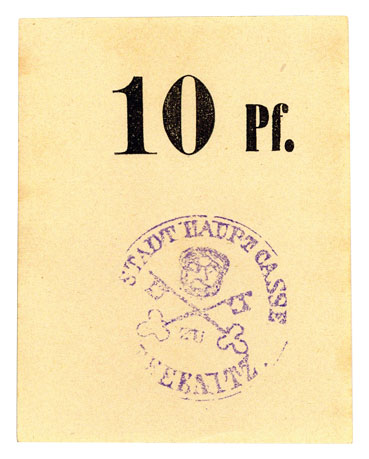
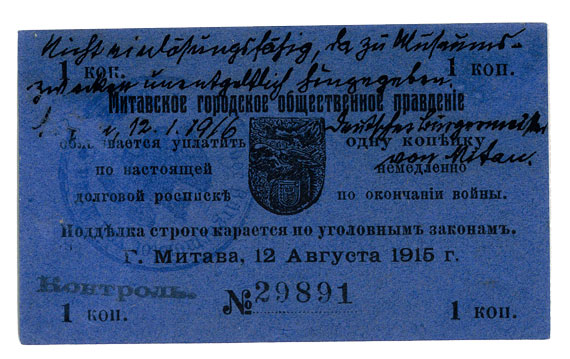
Royal Bavarian General Loan.
8.75 Marks, March 1, 1919.
Condition: rare, I
Archive: People and Markets
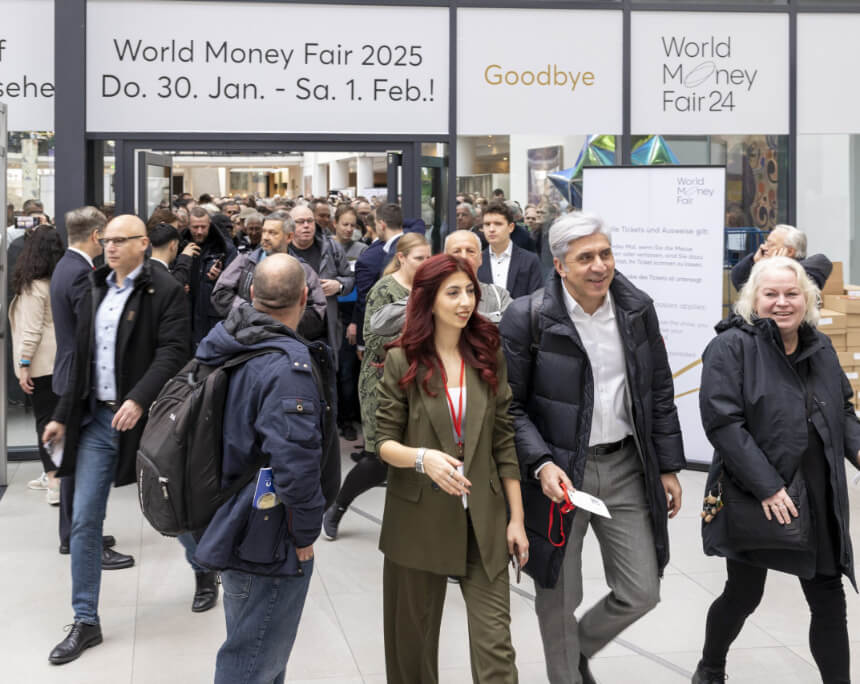
World Money Fair 2024: Thousands of Numismatics Enthusiasts at the World’s Largest Coin Fair
Once a year, the vast and diverse coin world comes together for a kind of oversized family reunion: the World Money Fair. Due to the new organization, many things were different, but others felt comfortably familiar. We were also present in Berlin again, this time even with our own booth.

Coin Dealers Targeted by Organized Crime Groups Following Coin Show Attendances
The Numismatic Crime Information Center warns that coin dealers in the USA are being targeted by organized crime, especially after attending coin shows.
Archive: Coins, Medals and more
 https://new.coinsweekly.com/wp-content/uploads/2024/10/2024KW40HA1_00.jpg
684
860
Bruno
https://new.coinsweekly.com/wp-content/uploads/2023/01/logo-coinsweekly_590x204.png
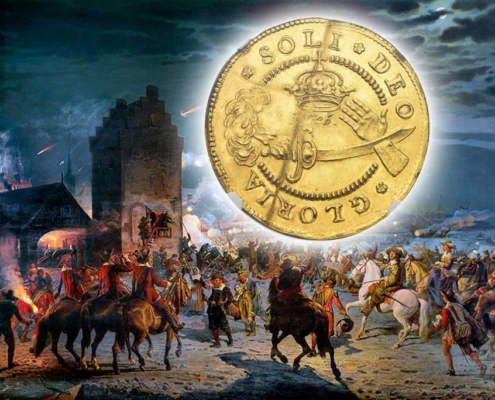
Bruno2024-10-02 13:27:042024-10-02 15:38:36Frederick III of Denmark and Eben Ezer
https://new.coinsweekly.com/wp-content/uploads/2024/10/2024KW40HA1_00.jpg
684
860
Bruno
https://new.coinsweekly.com/wp-content/uploads/2023/01/logo-coinsweekly_590x204.png
Bruno2024-10-02 13:27:042024-10-02 15:38:36Frederick III of Denmark and Eben Ezer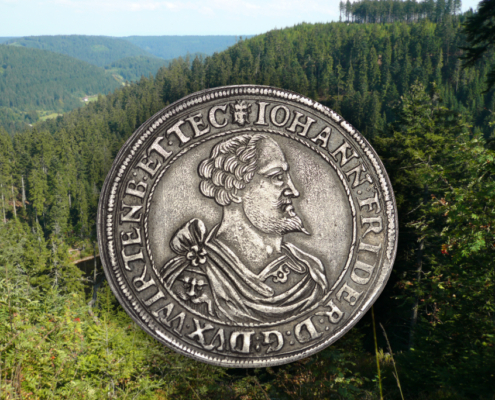 https://new.coinsweekly.com/wp-content/uploads/2024/09/2024KW36HA_00.jpg
684
860
Lucie Loechel
https://new.coinsweekly.com/wp-content/uploads/2023/01/logo-coinsweekly_590x204.png
Lucie Loechel2024-09-05 10:46:502024-09-05 13:34:39Silver for Württemberg
https://new.coinsweekly.com/wp-content/uploads/2024/09/2024KW36HA_00.jpg
684
860
Lucie Loechel
https://new.coinsweekly.com/wp-content/uploads/2023/01/logo-coinsweekly_590x204.png
Lucie Loechel2024-09-05 10:46:502024-09-05 13:34:39Silver for Württemberg
2023 World’s Fair of Money in Pittsburgh
In the international coin world, there are a few events that are set in stone. One of them is the American Numismatic Association’s World’s Fair of Money. Ursula Kampmann attended the 2023 show in Pittsburgh.
Ephesus Experience Museum – Symphony on a World Heritage Site
Visitors to the ruins of ancient Ephesus will now find an additional museum on the site. The focus here is not on originals, but on atmospheric installations and technical projections of the highest standard. The experience was created by Atelier Brückner.