






Archive: People and Markets
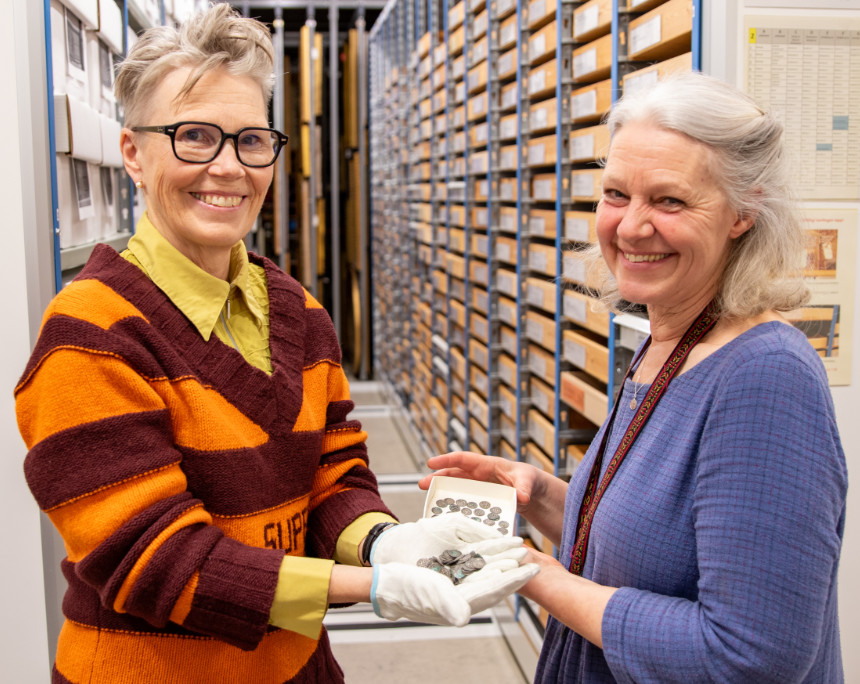
The Brahekyrkan Coin Hoard – A Sensational Find on Visingsö
Swedish archaeologists made a spectacular discovery on the island of Visingsö. They found 170 coins from the mid-12th century in a grave, posing a number of questions.
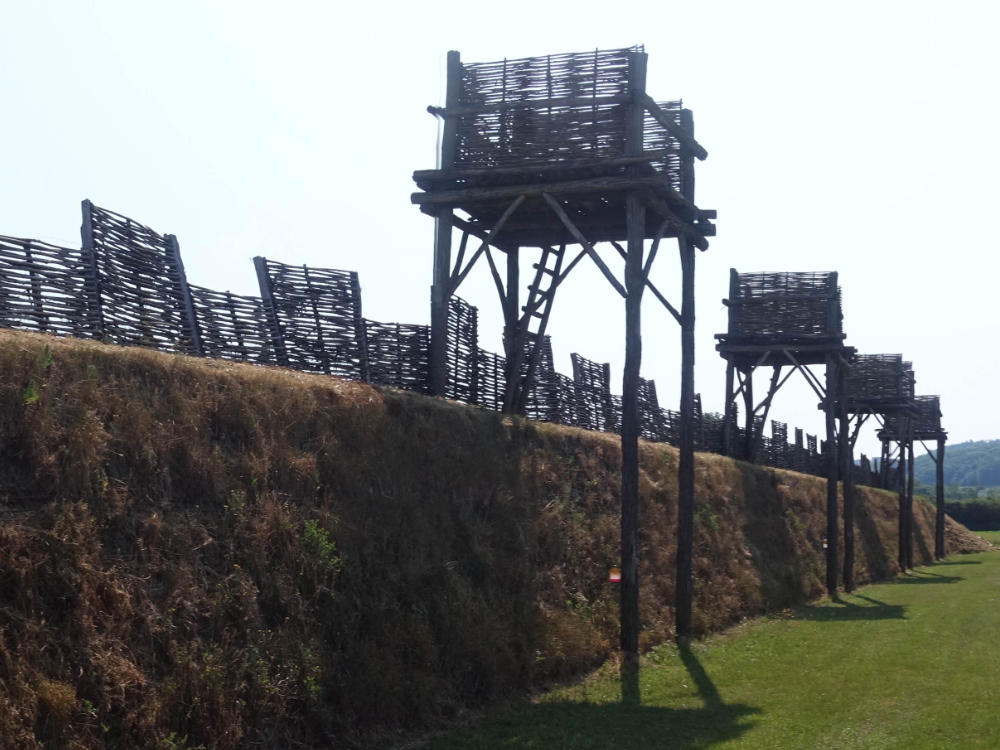
A Visit to Alesia
Alesia is part of France’s national heritage; it is where Vercingetorix lost the decisive battle against Caesar. Time and again, French politicians have been inspired by this defeat. It fuelled their will to resist and motivated France to cooperate with victorious powers. This also affected the place itself, which Ursula Kampmann visited.
Archive: Coins, Medals and more
 https://new.coinsweekly.com/wp-content/uploads/2024/03/2024KW10HA_00.jpg
684
860
Ursula Kampmann
https://new.coinsweekly.com/wp-content/uploads/2023/01/logo-coinsweekly_590x204.png
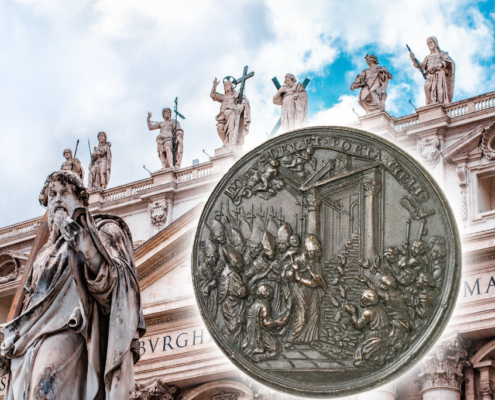
Ursula Kampmann2024-03-07 11:39:512024-03-07 14:21:30Coins and Medals of the Popes: Representatives of the Catholic Church
https://new.coinsweekly.com/wp-content/uploads/2024/03/2024KW10HA_00.jpg
684
860
Ursula Kampmann
https://new.coinsweekly.com/wp-content/uploads/2023/01/logo-coinsweekly_590x204.png
Ursula Kampmann2024-03-07 11:39:512024-03-07 14:21:30Coins and Medals of the Popes: Representatives of the Catholic Church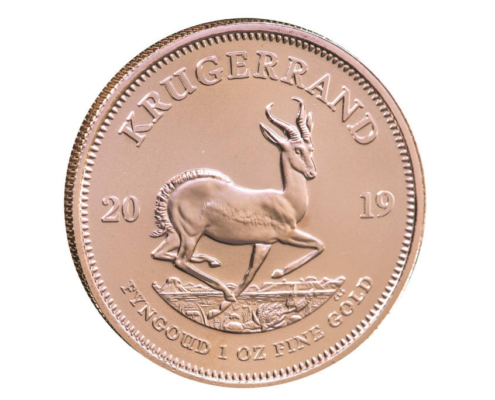 https://new.coinsweekly.com/wp-content/uploads/2025/04/2025KW16HA03_00.jpg
684
860
Lucie Loechel
https://new.coinsweekly.com/wp-content/uploads/2023/01/logo-coinsweekly_590x204.png
Lucie Loechel2025-04-17 08:26:292025-04-17 11:49:37The Birth of the Krugerrand
https://new.coinsweekly.com/wp-content/uploads/2025/04/2025KW16HA03_00.jpg
684
860
Lucie Loechel
https://new.coinsweekly.com/wp-content/uploads/2023/01/logo-coinsweekly_590x204.png
Lucie Loechel2025-04-17 08:26:292025-04-17 11:49:37The Birth of the Krugerrand
CIT Legends: Aztec Empire
CIT’s Legends series is a feast for the eyes for all those who love to immerse themselves in a coin design. The fourth release of the series is dedicated to the Aztecs, the legendary people who offered blood sacrifices to assure the rising of the sun each day.
Pobjoy Mint to Close Their Doors at the End of the Year
Pobjoy Mint, an icon of Non-Circulating Legal Tender manufacturing have announced they will close their doors. This does not come as a surprise for those who know the market. Ursula Kampmann comments.