






Archive: People and Markets

Pobjoy’s Newest Egyptian Gods Coin Features Anubis
On the occasion of the 250th birthday of British Egyptologist Dr Thomas Young, Pobjoy released a brand-new silver coin featuring one of the most iconic gods of ancient Egypt: Anubis.
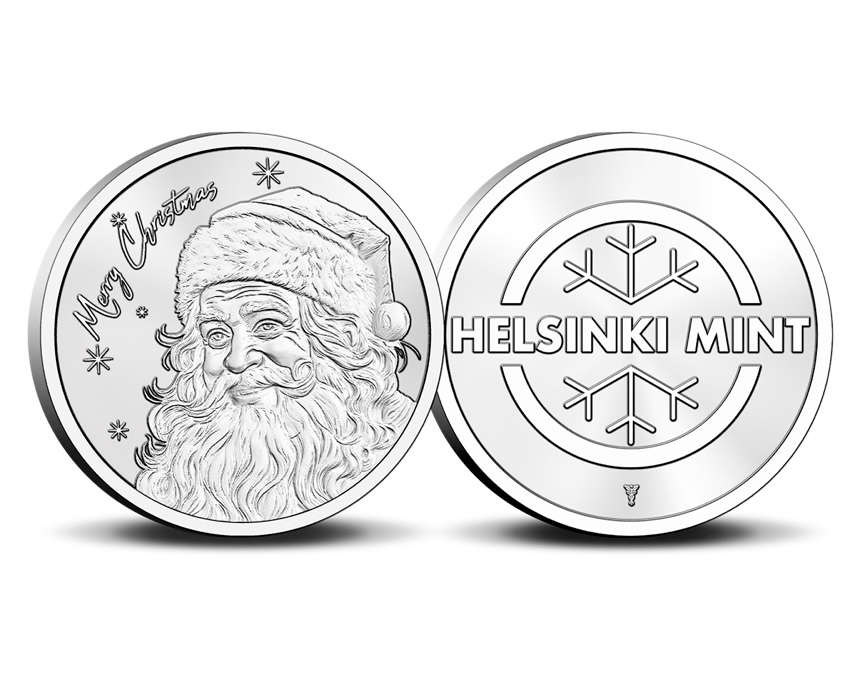
The Mint of Finland is Dead, Long Live the Helsinki Mint
September brought bad news for the numismatic world: the Mint of Finland, once a prolific producer of circulation coins for numerous euro countries, announced it would cease operations. Many questions have since remained unanswered – but one key point is now clear: the future of Finnish coin production has been decided.
Archive: Coins, Medals and more
 https://new.coinsweekly.com/wp-content/uploads/2024/03/2024KW10HA_00.jpg
684
860
Ursula Kampmann
https://new.coinsweekly.com/wp-content/uploads/2023/01/logo-coinsweekly_590x204.png
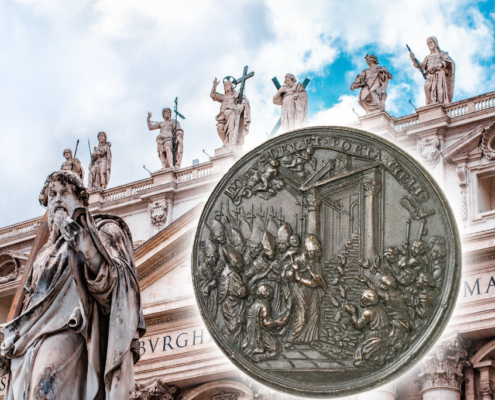
Ursula Kampmann2024-03-07 11:39:512024-03-07 14:21:30Coins and Medals of the Popes: Representatives of the Catholic Church
https://new.coinsweekly.com/wp-content/uploads/2024/03/2024KW10HA_00.jpg
684
860
Ursula Kampmann
https://new.coinsweekly.com/wp-content/uploads/2023/01/logo-coinsweekly_590x204.png
Ursula Kampmann2024-03-07 11:39:512024-03-07 14:21:30Coins and Medals of the Popes: Representatives of the Catholic Church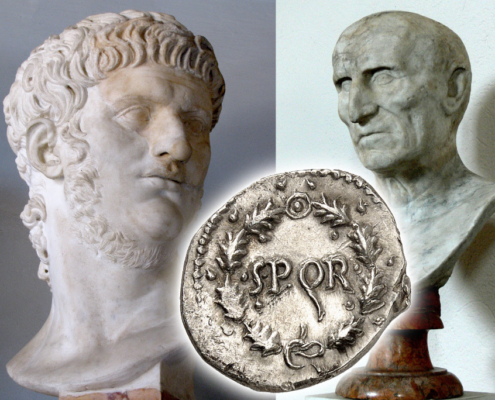 https://new.coinsweekly.com/wp-content/uploads/2024/11/2024KW45HA1_00.jpg
684
860
Bruno
https://new.coinsweekly.com/wp-content/uploads/2023/01/logo-coinsweekly_590x204.png
Bruno2024-11-07 08:49:152024-11-08 14:14:32The Roman Civil War of 68/9: The Prelude to the Year of the Four Emperors
https://new.coinsweekly.com/wp-content/uploads/2024/11/2024KW45HA1_00.jpg
684
860
Bruno
https://new.coinsweekly.com/wp-content/uploads/2023/01/logo-coinsweekly_590x204.png
Bruno2024-11-07 08:49:152024-11-08 14:14:32The Roman Civil War of 68/9: The Prelude to the Year of the Four Emperors
A Family Reunion of the World of Coins: The 2025 World Money Fair
Every year, the World Money Fair is a very special experience. So it’s no wonder that thousands of people from all over the world travel to Berlin when the largest international coin fair opens its doors. Of course, we were there, too.
National Museum of Denmark Acquires Seven Coins of the Bruun Collection
The National Museum of Denmark used its right of first refusal to buy extremely rare coins from Lars Emil Bruun’s collection before they are to be sold at auction. Here you can see the seven extraordinary pieces!