






Archive: People and Markets
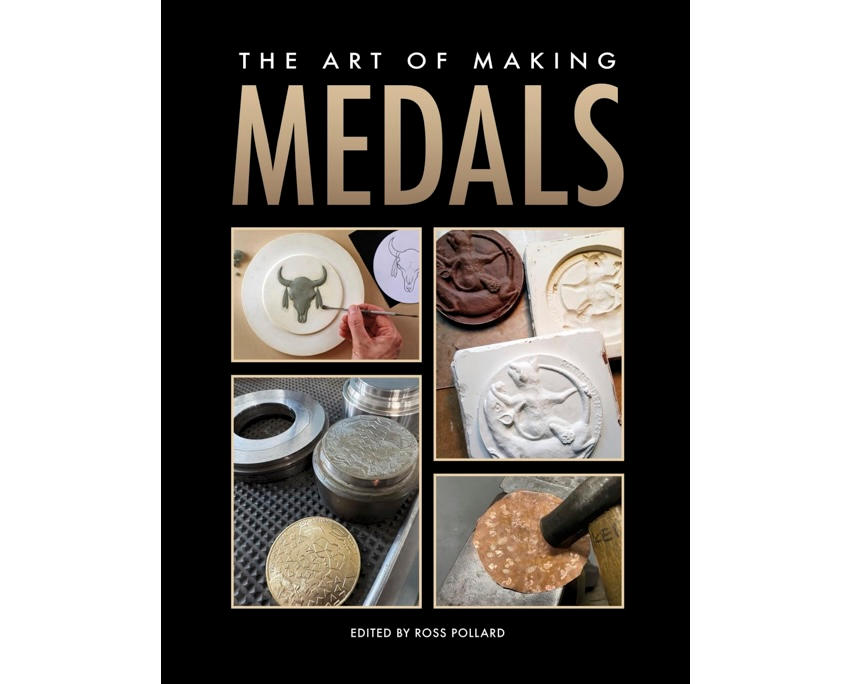
“The Art of Making Medals” Published
What Goes Into Making a Medal? Editor Ross Pollard has packed his new book “The Art of Making Medals” with practical, first-hand insights from contemporary artists into the fascinating world of medallic sculpture. Each chapter was contributed by a member of the American Medallic Sculpture Association and documents the creation of an original medal from start to finish.
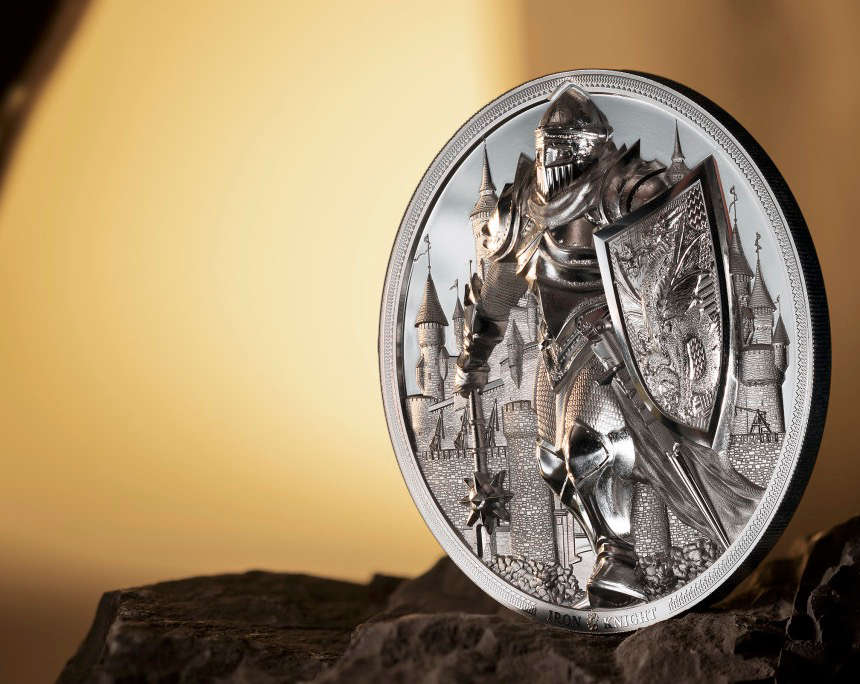
CIT’s new Smartminting® 4.0: Iron Knight
With Iron Knight, CIT has taken the ultra-high relief to the next level: thanks to smartminting® 4.0, an unprecedented relief of 9 mm can now be achieved. This is 50% more than what was possible with the prior version of smartminting®.
Archive: Coins, Medals and more
 https://new.coinsweekly.com/wp-content/uploads/2024/04/2024KW16HA_00.jpg
684
860
Ursula Kampmann
https://new.coinsweekly.com/wp-content/uploads/2023/01/logo-coinsweekly_590x204.png
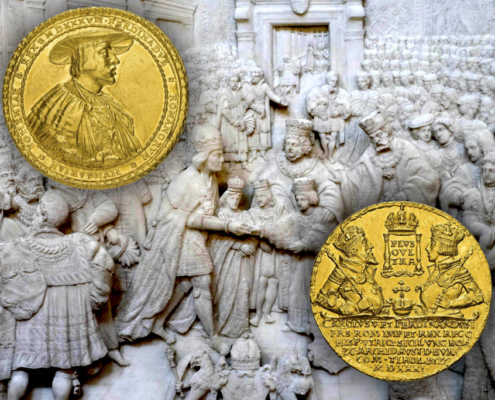
Ursula Kampmann2024-04-18 10:26:522024-04-18 10:26:52The Turks, the Bohemian Estates and Two Gnadenpfennigs by Ferdinand I
https://new.coinsweekly.com/wp-content/uploads/2024/04/2024KW16HA_00.jpg
684
860
Ursula Kampmann
https://new.coinsweekly.com/wp-content/uploads/2023/01/logo-coinsweekly_590x204.png
Ursula Kampmann2024-04-18 10:26:522024-04-18 10:26:52The Turks, the Bohemian Estates and Two Gnadenpfennigs by Ferdinand I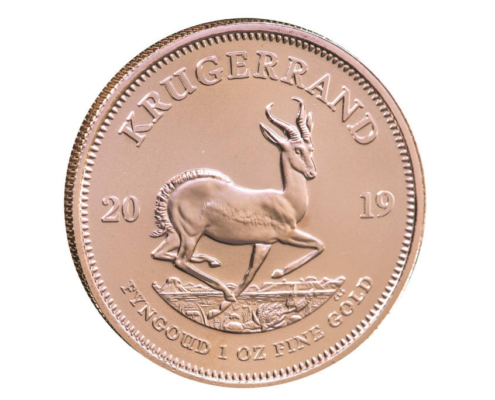 https://new.coinsweekly.com/wp-content/uploads/2025/04/2025KW16HA03_00.jpg
684
860
Lucie Loechel
https://new.coinsweekly.com/wp-content/uploads/2023/01/logo-coinsweekly_590x204.png
Lucie Loechel2025-04-17 08:26:292025-04-17 11:49:37The Birth of the Krugerrand
https://new.coinsweekly.com/wp-content/uploads/2025/04/2025KW16HA03_00.jpg
684
860
Lucie Loechel
https://new.coinsweekly.com/wp-content/uploads/2023/01/logo-coinsweekly_590x204.png
Lucie Loechel2025-04-17 08:26:292025-04-17 11:49:37The Birth of the Krugerrand
Stockholm Numismatica 2023
In 2023, Stockholm Numismatica will take place on 1 October. The previous day at the same premises a series of exclusive coins from the Gunnar Ekström collection will be sold in a public auction.
An EID MAR Denarius Set a Nordic Record
An EID MAR denarius was sold at Bruun Rasmussen establishing a record for the most expensive numismatic object ever sold at auction in the entire Nordic region according to the auction house.