







Archive: People and Markets

Royal Mint Unveil New Charles III Reverse Designs for Circulation Coinage
Coat of arms give way to flora and fauna: the Royal Mint have unveiled the new reverse designs for the circulation coinage of the United Kingdom. Learn more about the new designs here.
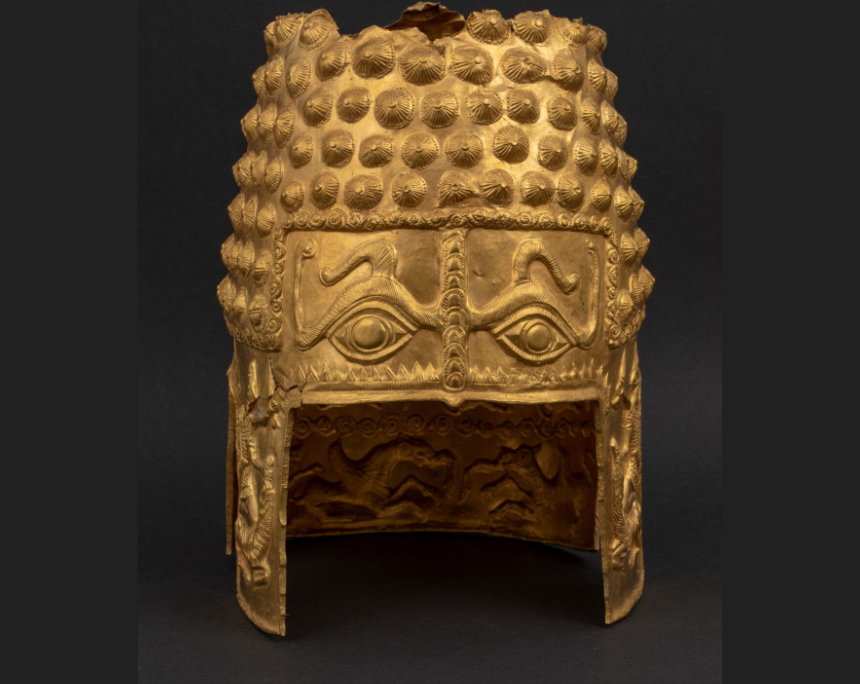
Famous Dacian Helmet Stolen – Thieves Blasted Their Way Into the Museum
On the night of 24 to 25 January, a museum in Assen, Netherlands, was targeted by thieves. They stole four important Dacian gold objects from a temporary exhibition – including the famous Coțofenești helmet. Do we have to worry about it being melted down as well?
Archive: Coins, Medals and more
 https://new.coinsweekly.com/wp-content/uploads/2024/12/2024KW49HA_00-1.jpg
684
860
Lucie Loechel
https://new.coinsweekly.com/wp-content/uploads/2023/01/logo-coinsweekly_590x204.png
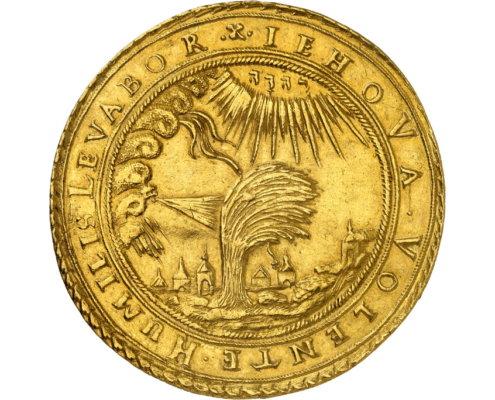
Lucie Loechel2024-12-12 09:49:262024-12-12 10:13:15The Bending Willow Tree
https://new.coinsweekly.com/wp-content/uploads/2024/12/2024KW49HA_00-1.jpg
684
860
Lucie Loechel
https://new.coinsweekly.com/wp-content/uploads/2023/01/logo-coinsweekly_590x204.png
Lucie Loechel2024-12-12 09:49:262024-12-12 10:13:15The Bending Willow Tree https://new.coinsweekly.com/wp-content/uploads/2024/07/2024KW30HA02_00.jpg
684
860
Ursula Kampmann
https://new.coinsweekly.com/wp-content/uploads/2023/01/logo-coinsweekly_590x204.png
Ursula Kampmann2024-07-25 09:30:322024-07-25 14:12:39Switzerland’s Special Coin 200 Years Swiss Shooting Sport Federation Hits the Bull’s Eye
https://new.coinsweekly.com/wp-content/uploads/2024/07/2024KW30HA02_00.jpg
684
860
Ursula Kampmann
https://new.coinsweekly.com/wp-content/uploads/2023/01/logo-coinsweekly_590x204.png
Ursula Kampmann2024-07-25 09:30:322024-07-25 14:12:39Switzerland’s Special Coin 200 Years Swiss Shooting Sport Federation Hits the Bull’s Eye
Two New Books on Ancient Numismatics in Poland
Book news from Poland: In the last months, two significant books on Roman numismatics were published with an English translation. Adam Degler and Kyrylo Myzgin tell us more about their works.
Silk, Silver, and Spice: Money Museum’s New Exhibit Explores Treasures of Trade
Today, the Edward C. Rochette Money Museum in Colorado Springs opens its newest exhibition. “The Silk Road(s): A Numismatic Travelogue” will take observers on a journey of commerce, culture, and connections made possible through coinage.