







Archive: People and Markets

Between Tradition and the Demands of a New Economic World
The 32nd Mint Directors Conference took place in Cape Town from April 27th to 29th, 2025. It was the highlight of my numismatic journey through South Africa. In an international context, South Africa presented itself as a promising country of (numismatic) opportunities.
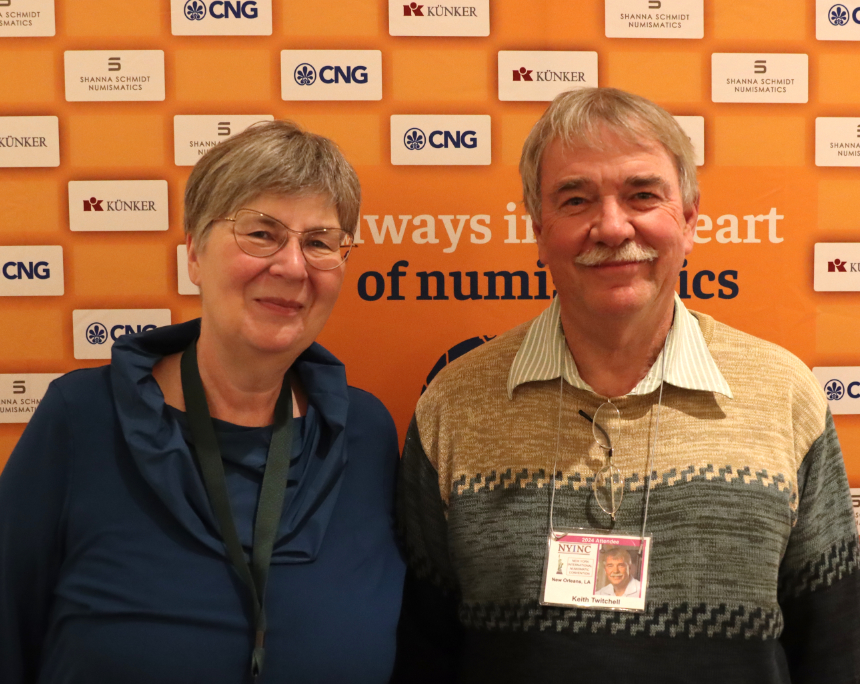
ACCG Introduces Their New Executive Director
Since January 1, 2024 the Ancient Coin Collectors Guild has had a new Executive Director: Keith Twitchell. Twitchell replaces Peter Tompa, who will remain active on the ACCG Board of Directors
Archive: Coins, Medals and more
 https://new.coinsweekly.com/wp-content/uploads/2025/03/2025KW11HA01_00.jpg
684
860
Lucie Loechel
https://new.coinsweekly.com/wp-content/uploads/2023/01/logo-coinsweekly_590x204.png
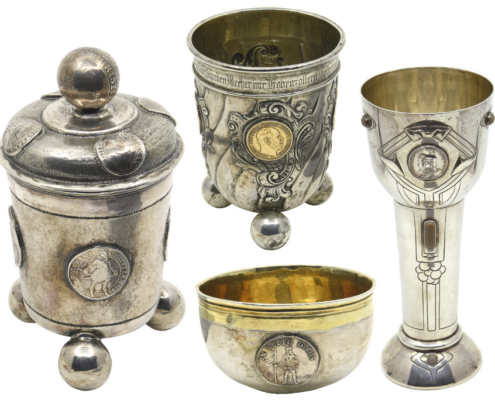
Lucie Loechel2025-03-13 10:11:402025-03-13 10:11:40Coin-Embedded Tableware as Part of European Dining Culture
https://new.coinsweekly.com/wp-content/uploads/2025/03/2025KW11HA01_00.jpg
684
860
Lucie Loechel
https://new.coinsweekly.com/wp-content/uploads/2023/01/logo-coinsweekly_590x204.png
Lucie Loechel2025-03-13 10:11:402025-03-13 10:11:40Coin-Embedded Tableware as Part of European Dining Culture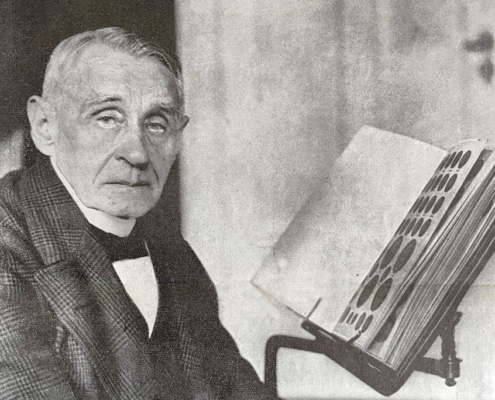 https://new.coinsweekly.com/wp-content/uploads/2025/02/2025KW08HA01_00.jpg
684
860
Lucie Loechel
https://new.coinsweekly.com/wp-content/uploads/2023/01/logo-coinsweekly_590x204.png
Lucie Loechel2025-02-20 09:21:132025-02-20 09:49:19L. E. Bruun: A Collector in His Time
https://new.coinsweekly.com/wp-content/uploads/2025/02/2025KW08HA01_00.jpg
684
860
Lucie Loechel
https://new.coinsweekly.com/wp-content/uploads/2023/01/logo-coinsweekly_590x204.png
Lucie Loechel2025-02-20 09:21:132025-02-20 09:49:19L. E. Bruun: A Collector in His Time
John Mussell 1942-2023
The founder of Token Publishing Ltd. died after a short illness at the age of 81. He made many friends in the numismatic world over the years. His wife Carol and his son Philip will carry on his legacy.
Further Investigations into the Stolen Celtic Coin Hoard
Following police success in the case of the stolen Celtic gold hoard, the authorities have made additional details public. It appears that the perpetrators were professionals, but their professionalism was their undoing.