











Archive: People and Markets

Change Of Leadership at the American Numismatic Society
Gilles Bransbourg will be stepping down from his position as ANS Executive Director in September 2024. Dr. Ute Wartenberg Kagan, currently President of the ANS, will return to this position, which she previously held from 1999 through 2019.
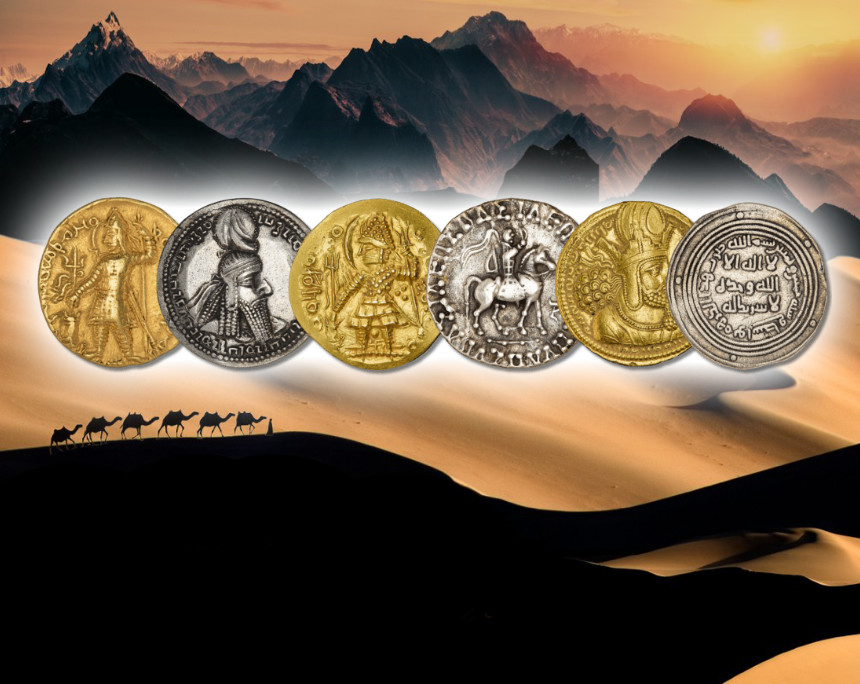
Silk, Silver, and Spice: Money Museum’s New Exhibit Explores Treasures of Trade
Today, the Edward C. Rochette Money Museum in Colorado Springs opens its newest exhibition. “The Silk Road(s): A Numismatic Travelogue” will take observers on a journey of commerce, culture, and connections made possible through coinage.
Archive: Coins, Medals and more
 https://new.coinsweekly.com/wp-content/uploads/2025/03/0.jpg
684
860
Sebastian Wieschowski
https://new.coinsweekly.com/wp-content/uploads/2023/01/logo-coinsweekly_590x204.png
Sebastian Wieschowski2025-03-06 06:00:312025-03-06 14:32:55Women on Commemorative Coins: A Long Road to True Equality
https://new.coinsweekly.com/wp-content/uploads/2025/03/0.jpg
684
860
Sebastian Wieschowski
https://new.coinsweekly.com/wp-content/uploads/2023/01/logo-coinsweekly_590x204.png
Sebastian Wieschowski2025-03-06 06:00:312025-03-06 14:32:55Women on Commemorative Coins: A Long Road to True Equality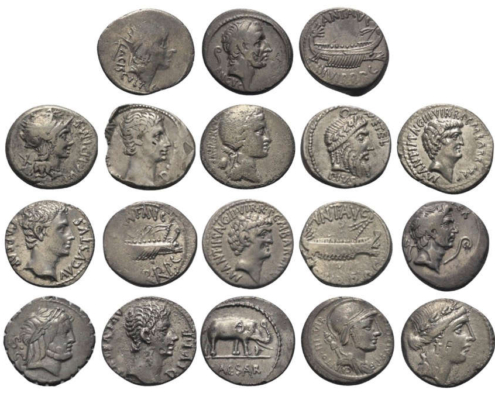 https://new.coinsweekly.com/wp-content/uploads/2023/09/2023KW37HA_00.jpg
684
860
Ursula Kampmann
https://new.coinsweekly.com/wp-content/uploads/2023/01/logo-coinsweekly_590x204.png
Ursula Kampmann2023-09-14 11:08:452023-09-14 11:10:58The Augustean Denarius Find From Brohl-Lützing Offered at Auction
https://new.coinsweekly.com/wp-content/uploads/2023/09/2023KW37HA_00.jpg
684
860
Ursula Kampmann
https://new.coinsweekly.com/wp-content/uploads/2023/01/logo-coinsweekly_590x204.png
Ursula Kampmann2023-09-14 11:08:452023-09-14 11:10:58The Augustean Denarius Find From Brohl-Lützing Offered at Auction
What Makes the TICC in Tokyo Different From Other Coin Shows
The TICC is the most important coin show held in Japan – a MUST for Japanese collectors. Those who travel there will find an active, young market. And much of what we are used to in Europe does not apply there.
CIT presents: Alcatraz Island
With Alcatraz, CIT presents a coin that takes the depiction of islands to a completely new level. Be it from a bird’s eye view or from the side, the coin depicts the legendary penitentiary complex in great detail and illustrates why the island became a myth.