







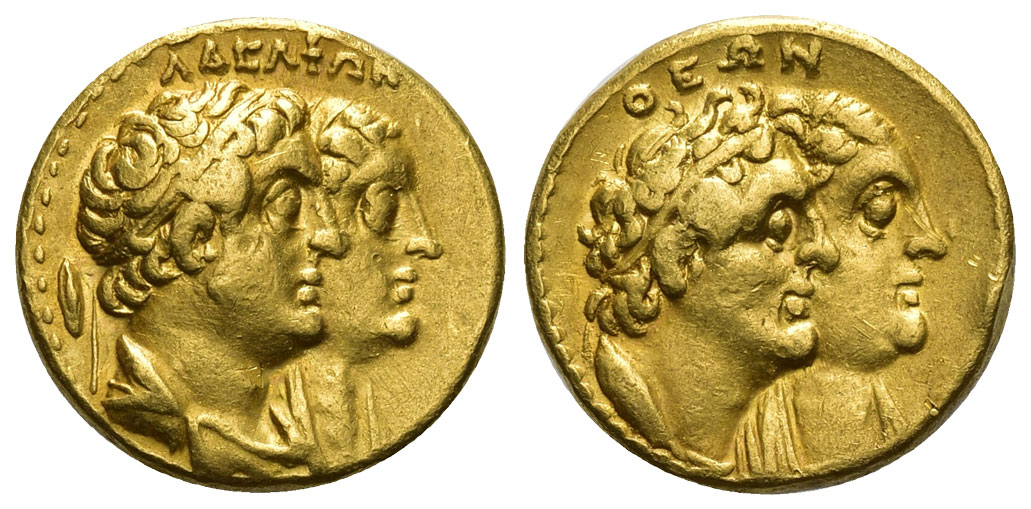
AV Tetradrachm (282–272 BC),
King Ptolemy II and Queen Arsinoe II.
From the major collection of Alexandria mint.
Condition: vf+
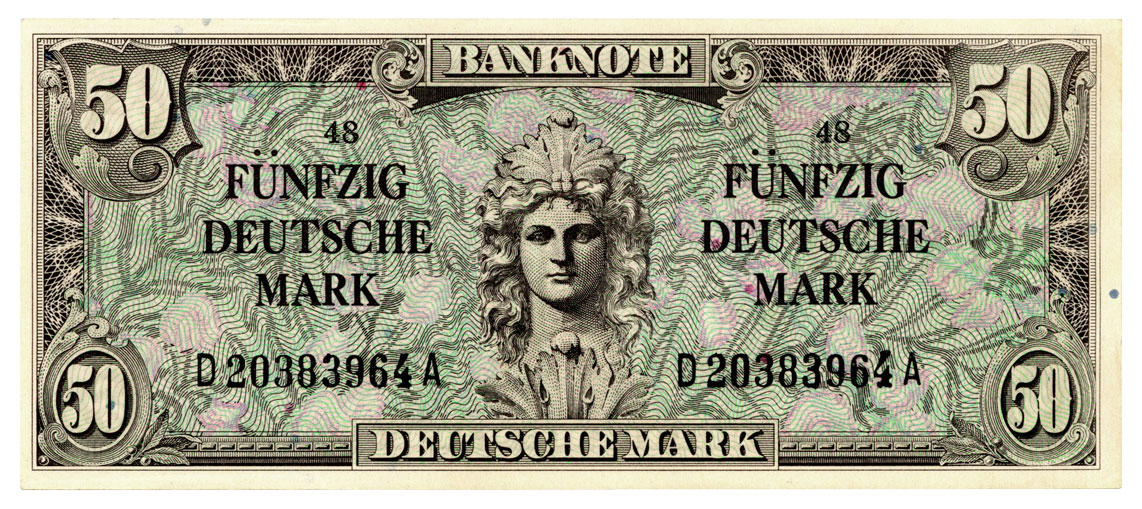
50 Deutsche Mark o.D. ( 1948-1949) "Liberty".
Condition: extremly rare, I
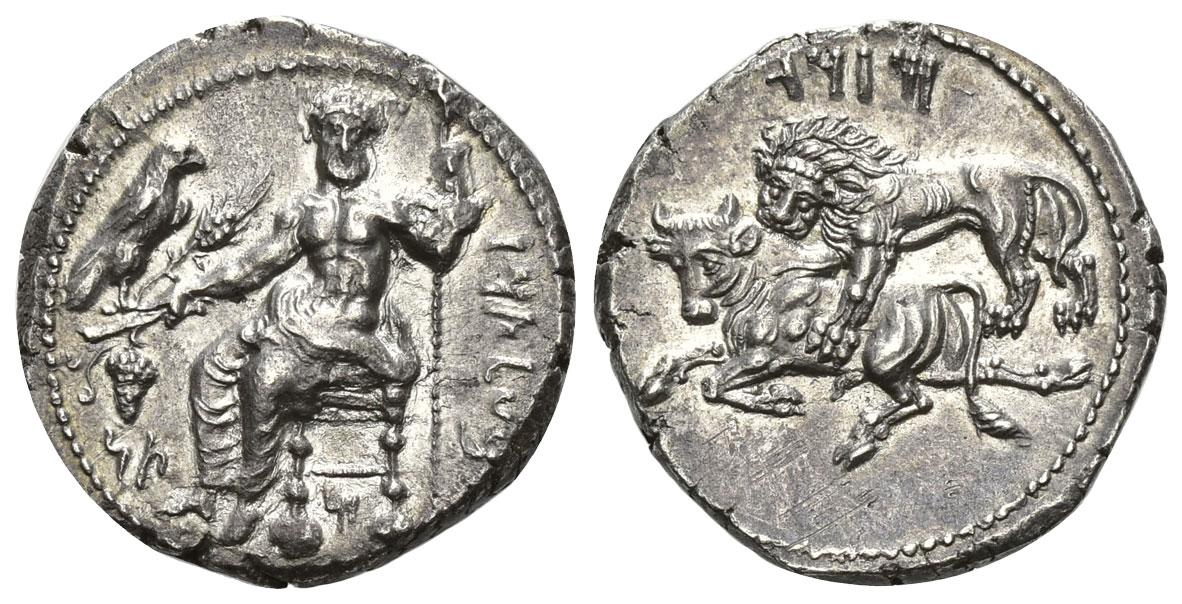
AR Stater (361-334 BC).
Obv. Baal of Tarsos.
Conditon: ef
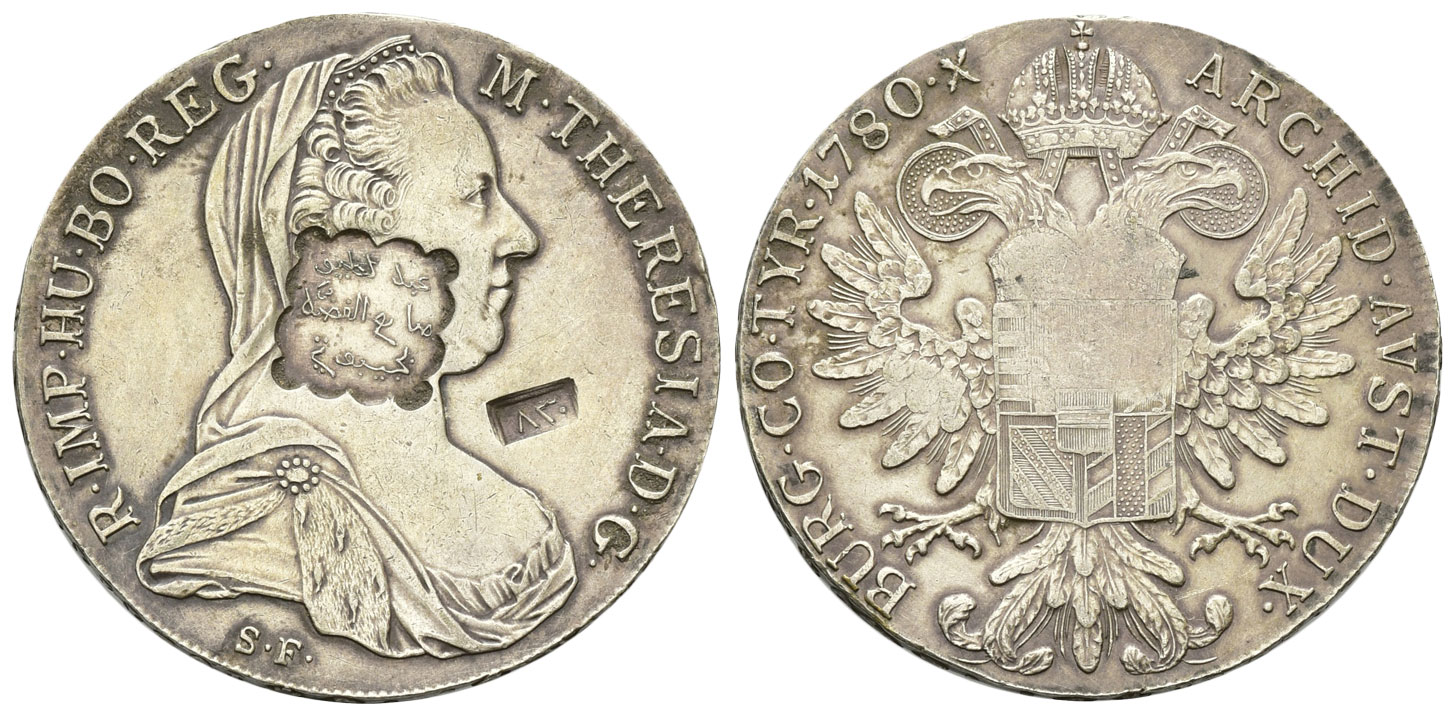
Taler 1780 SF
with counter stamp Djibouti (1870-1900).
Condition: vf
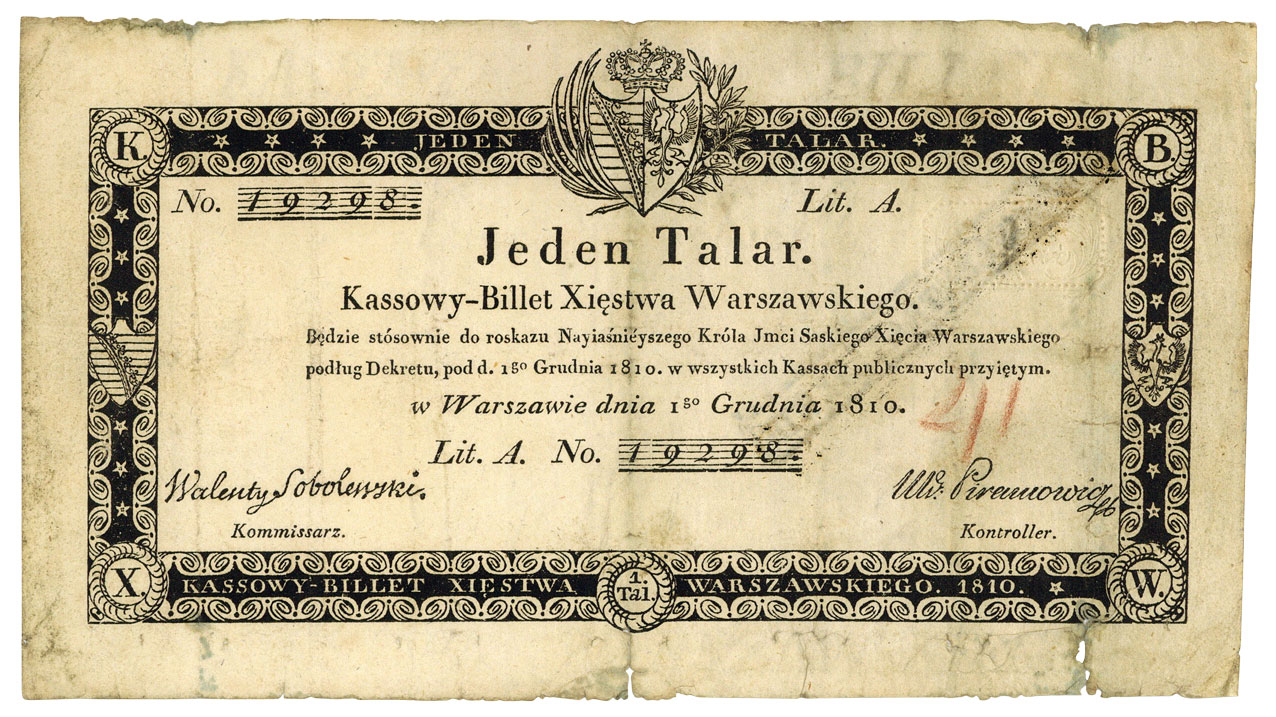
1 Talar 1. December 1810.
Condition: III-IV
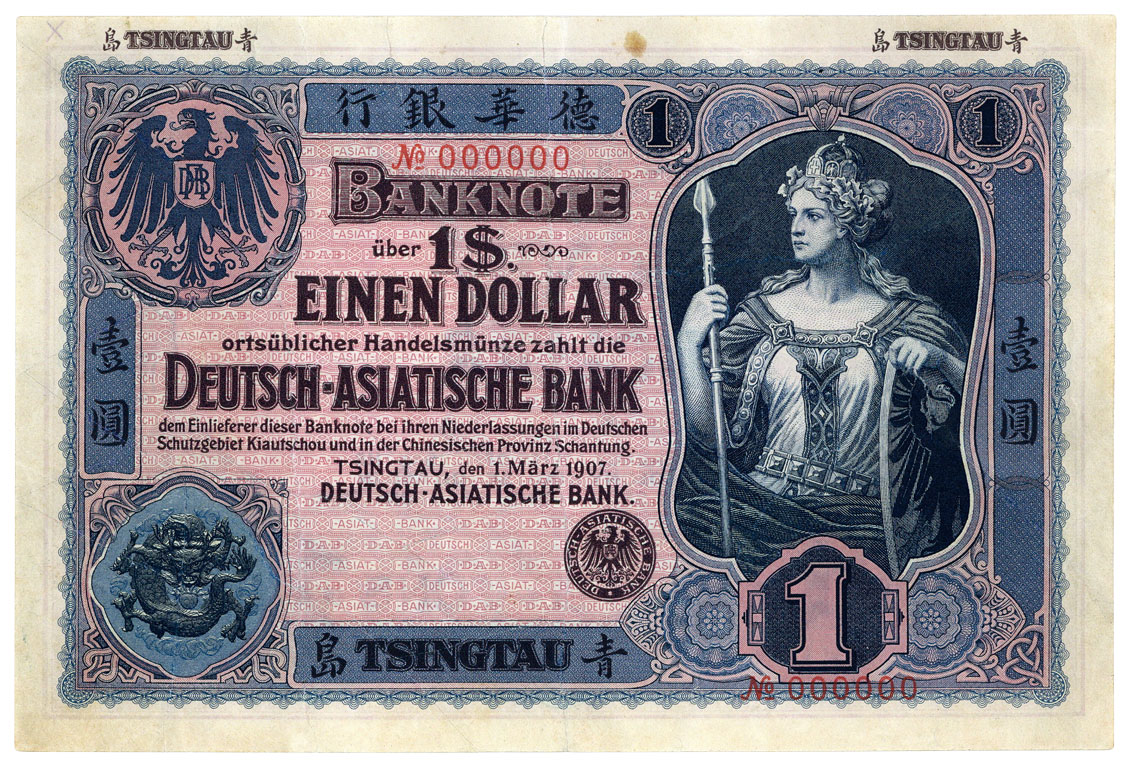
1 Dollar 1.3.1907, Tsingtao.
Condition: very rare, restored
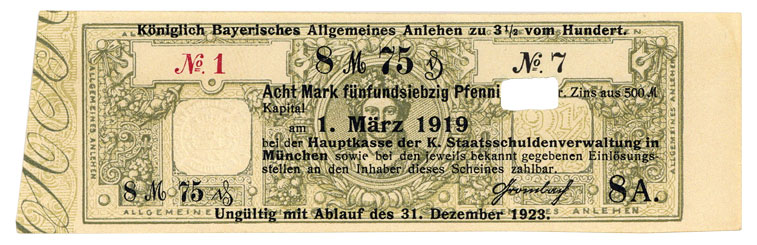
Royal Bavarian General Loan.
8.75 Marks, March 1, 1919.
Condition: rare, I
Archive: People and Markets
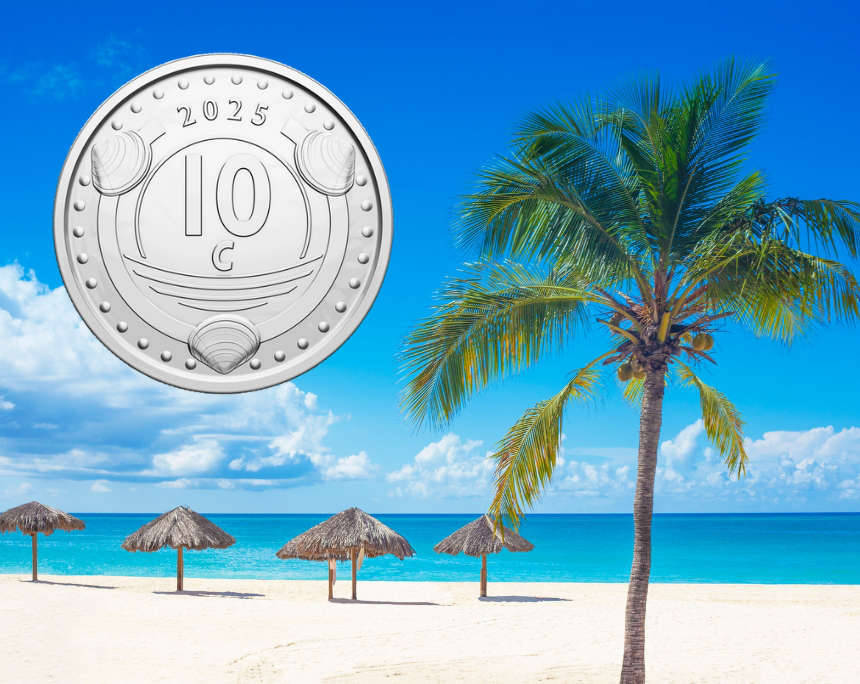
Caribbean Guilder: Joint Currency Introduced for Curaçao and Sint Maarten
The new currency replaces the Antillean Guilder, retains its value, and is pegged to the US dollar – with fresh designs inspired by the sea and local culture.
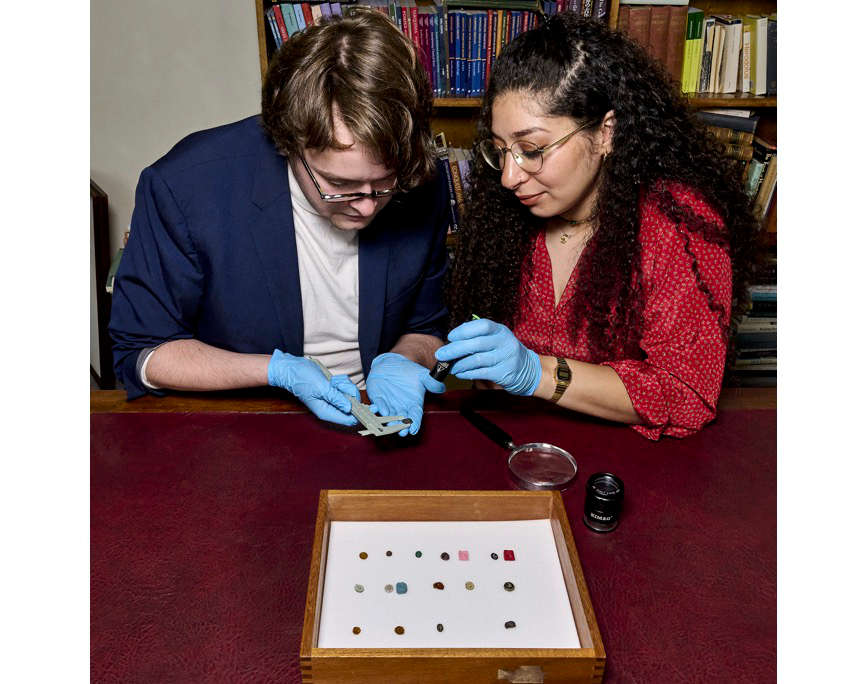
Further Recoveries of British Museum Objects
The British Museum has announced the return of a further 268 missing objects, taking the total number of recovered items to 626. The museum also confirmed that it is currently working on new leads for around 100 additional objects.
Archive: Coins, Medals and more
 https://new.coinsweekly.com/wp-content/uploads/2024/11/2024KW47HA1_00.jpg
684
860
Lucie Loechel
https://new.coinsweekly.com/wp-content/uploads/2023/01/logo-coinsweekly_590x204.png
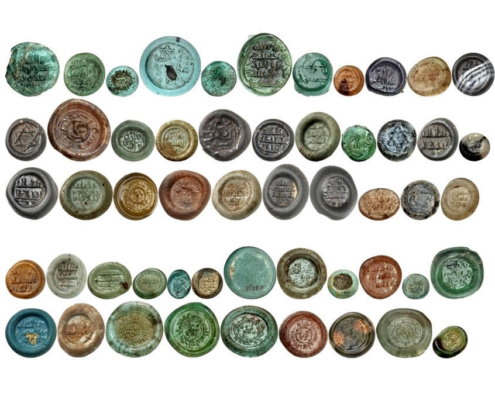
Lucie Loechel2024-11-21 10:15:332024-11-21 10:15:50Important Collection of Islamic Glass Weights at Numismatica Genevensis SA
https://new.coinsweekly.com/wp-content/uploads/2024/11/2024KW47HA1_00.jpg
684
860
Lucie Loechel
https://new.coinsweekly.com/wp-content/uploads/2023/01/logo-coinsweekly_590x204.png
Lucie Loechel2024-11-21 10:15:332024-11-21 10:15:50Important Collection of Islamic Glass Weights at Numismatica Genevensis SA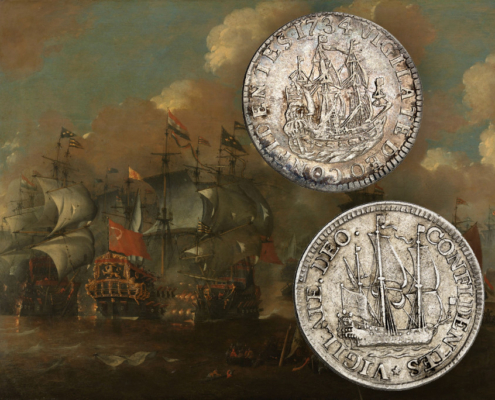 https://new.coinsweekly.com/wp-content/uploads/2024/09/2024KW38HA_00.jpg
684
860
Ursula Kampmann
https://new.coinsweekly.com/wp-content/uploads/2023/01/logo-coinsweekly_590x204.png
Ursula Kampmann2024-09-19 10:16:302024-09-19 11:07:49Bloody Flag and Scheepjesschelling
https://new.coinsweekly.com/wp-content/uploads/2024/09/2024KW38HA_00.jpg
684
860
Ursula Kampmann
https://new.coinsweekly.com/wp-content/uploads/2023/01/logo-coinsweekly_590x204.png
Ursula Kampmann2024-09-19 10:16:302024-09-19 11:07:49Bloody Flag and Scheepjesschelling
The Numismatic Index on 11 May 2023
The numismatic index numindex transparently shows how the prices of selected coins change over time. In the style of a stock index, it was designed for collectors who consider their collection an investment. Find out about the current state of the index.
Successful IAPN Congress in San Francisco
In May, the 72 annual Congress of the IAPN took place in San Francisco. Read here who won the prestigious IAPN book awards this year!