






Archive: People and Markets
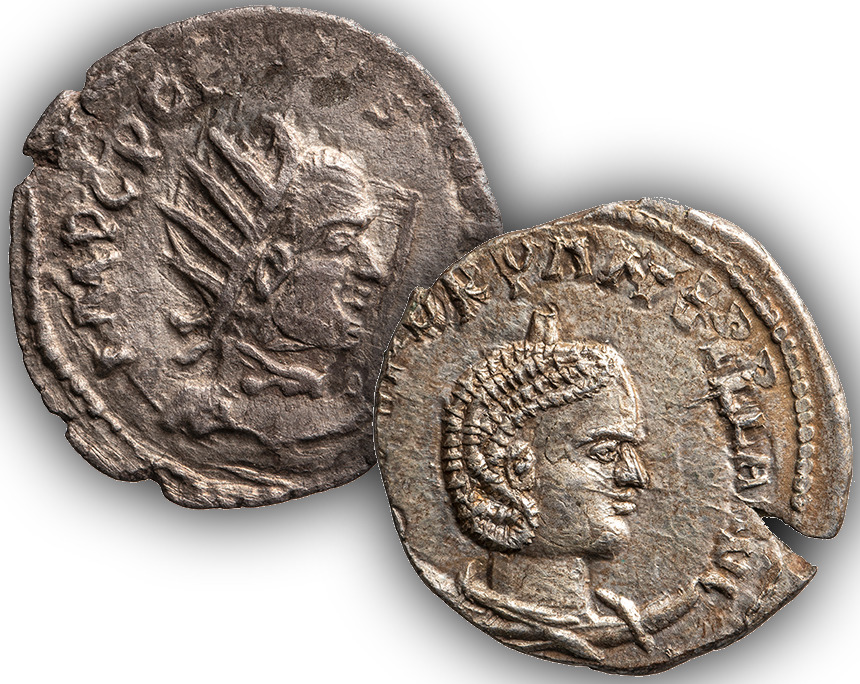
Acquisition of a Highly Significant Ensemble for the Coin Cabinet in Vienna
The Kunsthistorisches Museum has acquired 22 coins of the imperial couple Regalianus and Dryantilla and made them digitally accessible. This is all the more impressive considering that only about 160 coins of this imperial couple are known worldwide. These are the only Roman coins that were minted in what is now Austria.
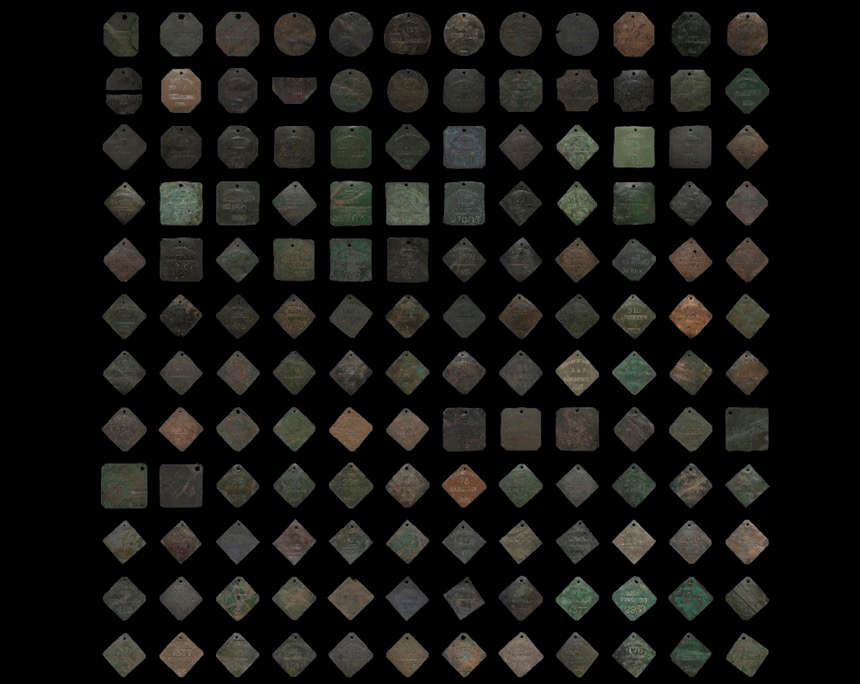
Smithsonian Acquires Largest Collection of Charleston Slave Badges
The Smithsonian’s National Museum of African American History and Culture recently acquired what is thought to be the largest and most complete set of Charleston Slave Badges. A new website informs about the historical significance of these badges.
Archive: Coins, Medals and more
 https://new.coinsweekly.com/wp-content/uploads/2025/02/2025KW07HA01_00.jpg
684
860
Lucie Loechel
https://new.coinsweekly.com/wp-content/uploads/2023/01/logo-coinsweekly_590x204.png
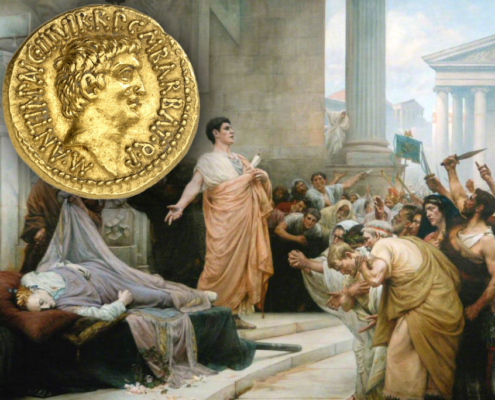
Lucie Loechel2025-02-13 09:44:362025-02-13 10:00:07Marcus Antonius: The Loser Who Did Not Write History
https://new.coinsweekly.com/wp-content/uploads/2025/02/2025KW07HA01_00.jpg
684
860
Lucie Loechel
https://new.coinsweekly.com/wp-content/uploads/2023/01/logo-coinsweekly_590x204.png
Lucie Loechel2025-02-13 09:44:362025-02-13 10:00:07Marcus Antonius: The Loser Who Did Not Write History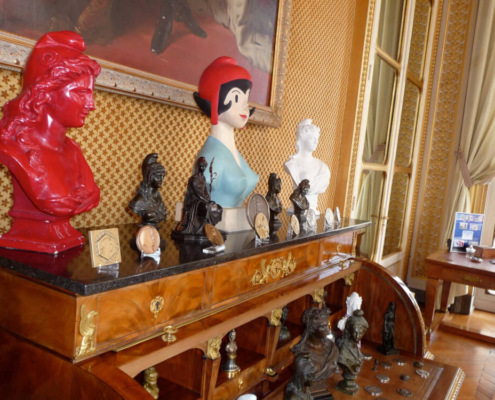 https://new.coinsweekly.com/wp-content/uploads/2023/06/CoCo04_04-1.jpg
750
1000
Ursula Kampmann
https://new.coinsweekly.com/wp-content/uploads/2023/01/logo-coinsweekly_590x204.png
Ursula Kampmann2022-06-13 10:25:572023-06-27 10:30:06The French Marianne I: Marianne as a Representative of the French People – Part 1
https://new.coinsweekly.com/wp-content/uploads/2023/06/CoCo04_04-1.jpg
750
1000
Ursula Kampmann
https://new.coinsweekly.com/wp-content/uploads/2023/01/logo-coinsweekly_590x204.png
Ursula Kampmann2022-06-13 10:25:572023-06-27 10:30:06The French Marianne I: Marianne as a Representative of the French People – Part 1
Exclusive Presentation of the Latest Commemorative Coin: The 100-Franc Gold Vreneli Returns After 100 Years
At the World Money Fair, Swissmint unveiled its latest commemorative coin to mark a special anniversary: on 1 July 2025, the coin “100 Years of the 100-Franc Vreneli” will be released – a tribute to the original edition from 1925.
Famous Dacian Helmet Stolen – Thieves Blasted Their Way Into the Museum
On the night of 24 to 25 January, a museum in Assen, Netherlands, was targeted by thieves. They stole four important Dacian gold objects from a temporary exhibition – including the famous Coțofenești helmet. Do we have to worry about it being melted down as well?