






Archive: People and Markets
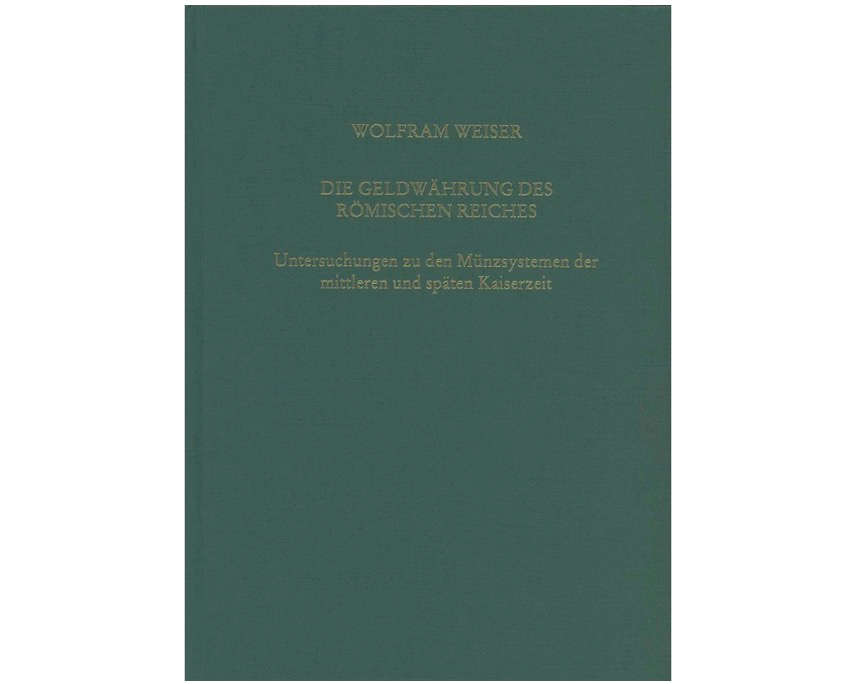
A Great Numismatist’s Important Book Published Posthumously
About a year after Wolfram Weisers death, his book on the currency of the Roman Empire has been published. Prof. Johannes Nollé has taken a closer look at this important German study.
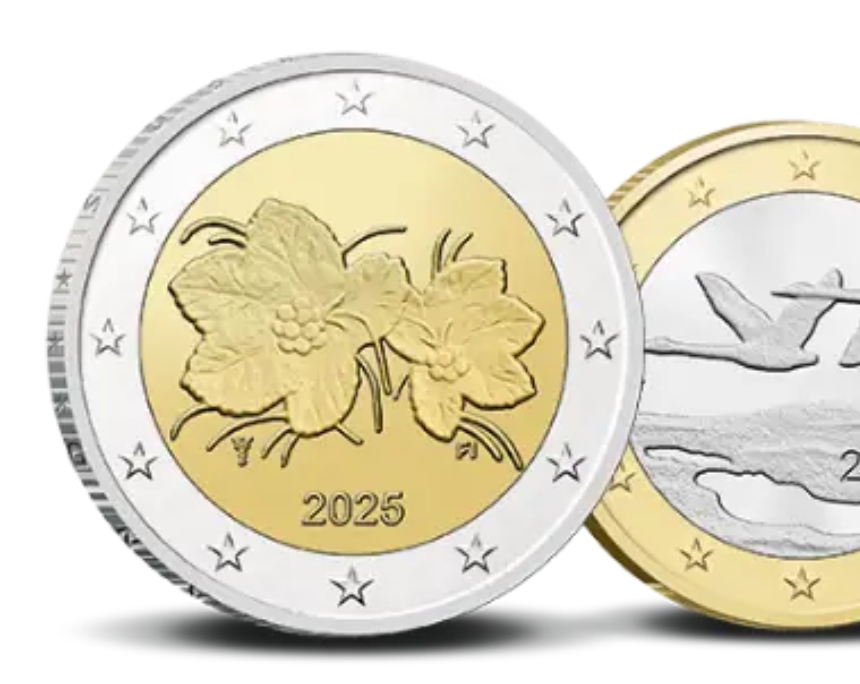
2-Euro Ticker: New 2-Euro Coins in April 2025
There were no official issue dates for 2-euro coins in April, but one topic is currently occupying 2-euro coin collectors in particular: the new issuance policy of Finland.
Archive: Coins, Medals and more
 https://new.coinsweekly.com/wp-content/uploads/2024/09/2024KW36HA_00.jpg
684
860
Lucie Loechel
https://new.coinsweekly.com/wp-content/uploads/2023/01/logo-coinsweekly_590x204.png
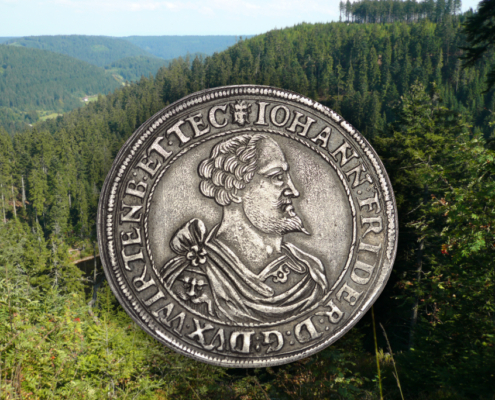
Lucie Loechel2024-09-05 10:46:502024-09-05 13:34:39Silver for Württemberg
https://new.coinsweekly.com/wp-content/uploads/2024/09/2024KW36HA_00.jpg
684
860
Lucie Loechel
https://new.coinsweekly.com/wp-content/uploads/2023/01/logo-coinsweekly_590x204.png
Lucie Loechel2024-09-05 10:46:502024-09-05 13:34:39Silver for Württemberg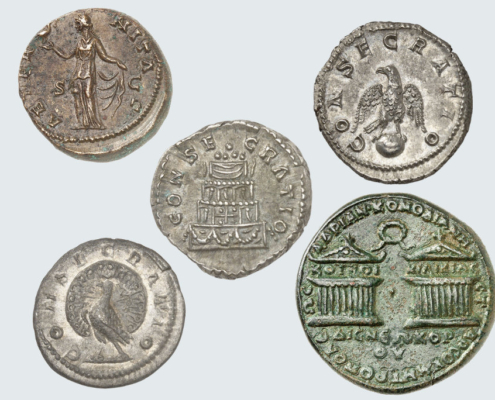 https://new.coinsweekly.com/wp-content/uploads/2024/10/2024KW42HA2_00.jpg
684
860
Lucie Loechel
https://new.coinsweekly.com/wp-content/uploads/2023/01/logo-coinsweekly_590x204.png
Lucie Loechel2024-10-17 10:44:212024-10-17 11:19:35Oh Dear, I Think I’m Becoming a God! Numismatic Testaments to the Consecration of Roman Emperors
https://new.coinsweekly.com/wp-content/uploads/2024/10/2024KW42HA2_00.jpg
684
860
Lucie Loechel
https://new.coinsweekly.com/wp-content/uploads/2023/01/logo-coinsweekly_590x204.png
Lucie Loechel2024-10-17 10:44:212024-10-17 11:19:35Oh Dear, I Think I’m Becoming a God! Numismatic Testaments to the Consecration of Roman Emperors
From a Collector’s Market to an Investor’s Market: Reasons, Consequences, Opportunities, Part 1
Complaining is of no use: change is coming, or may already be here. The question is how to deal with it. In order to develop smart strategies, one must be aware of what is actually happening and why. Ursula Kampmann summarizes the most important changes in the coin world in a loose series. Today: the shift from a collector to an investor market.
CIT’s Lily Pad – Dragonfly
A dragonfly on a lily pad: CIT and B. H. Mayer use state-of-the-art minting technology to capture nature’s beauty in an awe-inspiring way.