






Archive: People and Markets
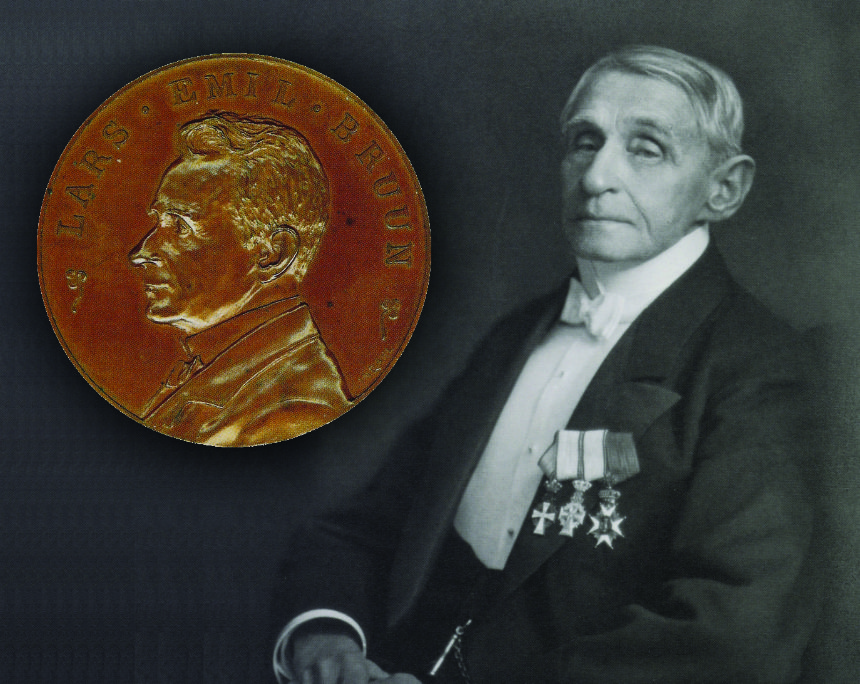
Lars Emil Bruun (1852–1923): From the Local Inn to an International Enterprise
The auction of the exceptional Bruun collection, 100 years after the collector’s death, has attracted a great deal of attention. But who was Bruun as a person? What inspired him? On behalf of Stack’s, Ursula Kampmann went in search of Bruun’s personality and compiled a short biography.
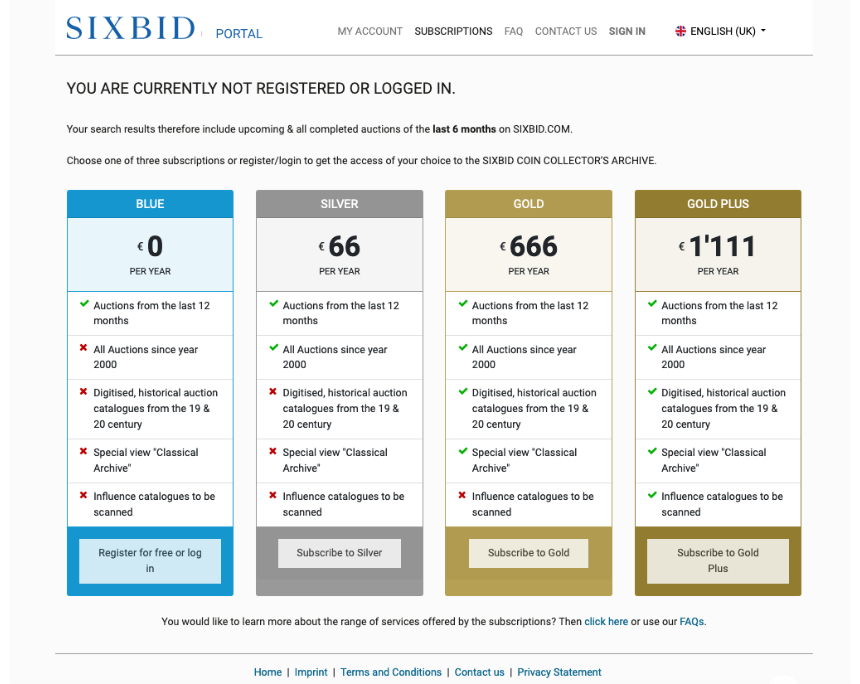
The Sixbid Archive – What It Is and Why You Need It
Sixbid has launched a new service: the Sixbid Archive. What makes this archive different from all the other auction databases out there? Is it really one of the most important numismatic projects of this century? Is it worth the €66 price tag? And for whom might it be worthwhile to purchase the €666 gold subscription?
Archive: Coins, Medals and more
 https://new.coinsweekly.com/wp-content/uploads/2023/09/2023KW39HA_00b.jpg
684
860
Ursula Kampmann
https://new.coinsweekly.com/wp-content/uploads/2023/01/logo-coinsweekly_590x204.png
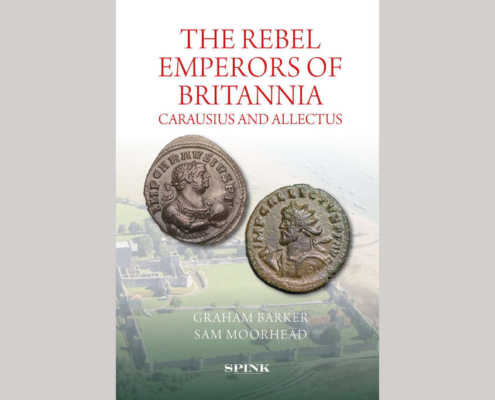
Ursula Kampmann2023-09-28 08:28:482023-09-28 12:21:21Rebel Emperors of Britannia: Carausius and Allectus
https://new.coinsweekly.com/wp-content/uploads/2023/09/2023KW39HA_00b.jpg
684
860
Ursula Kampmann
https://new.coinsweekly.com/wp-content/uploads/2023/01/logo-coinsweekly_590x204.png
Ursula Kampmann2023-09-28 08:28:482023-09-28 12:21:21Rebel Emperors of Britannia: Carausius and Allectus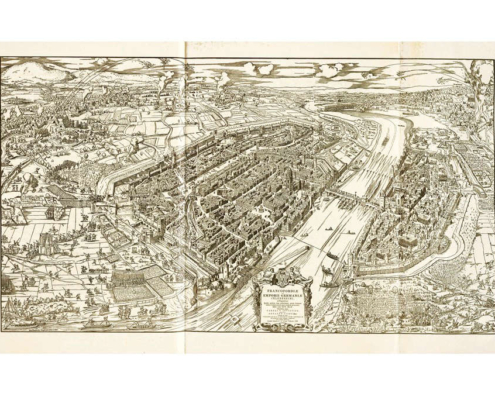 https://new.coinsweekly.com/wp-content/uploads/2023/09/2023KW38HA_00.jpg
684
860
Ursula Kampmann
https://new.coinsweekly.com/wp-content/uploads/2023/01/logo-coinsweekly_590x204.png
Ursula Kampmann2023-09-21 08:00:202023-09-21 14:13:23Two Cityscapes on Coins From Frankfurt am Main and The Artwork That Inspired Them
https://new.coinsweekly.com/wp-content/uploads/2023/09/2023KW38HA_00.jpg
684
860
Ursula Kampmann
https://new.coinsweekly.com/wp-content/uploads/2023/01/logo-coinsweekly_590x204.png
Ursula Kampmann2023-09-21 08:00:202023-09-21 14:13:23Two Cityscapes on Coins From Frankfurt am Main and The Artwork That Inspired Them
How AI Is Transforming Numismatics
Can entire numismatic reference books be written by artificial intelligence? Are ChatGPT and similar technologies becoming competitors for news portals, specialist publishers, and PR agencies? What can AI truly achieve? We put it to the test.
CIT’s Historical Monuments – Taj Mahal
The Taj Mahal is considered the most beautiful testimony to Islamic architecture in India and a symbol of love in stone. CIT chose this wonderful building as the subject of the 2025 issue in the Historical Monuments series.