






Archive: People and Markets
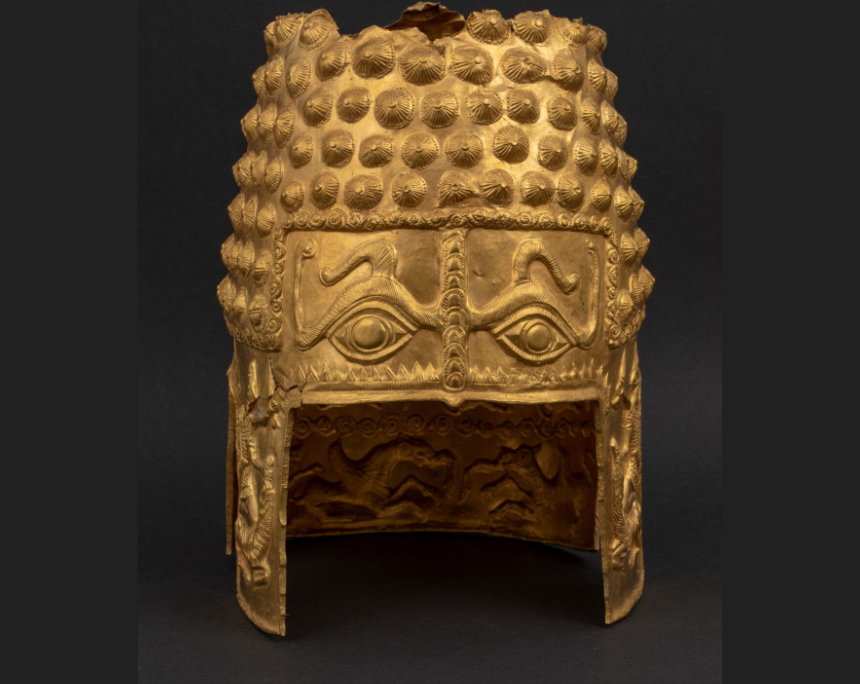
Famous Dacian Helmet Stolen – Thieves Blasted Their Way Into the Museum
On the night of 24 to 25 January, a museum in Assen, Netherlands, was targeted by thieves. They stole four important Dacian gold objects from a temporary exhibition – including the famous Coțofenești helmet. Do we have to worry about it being melted down as well?
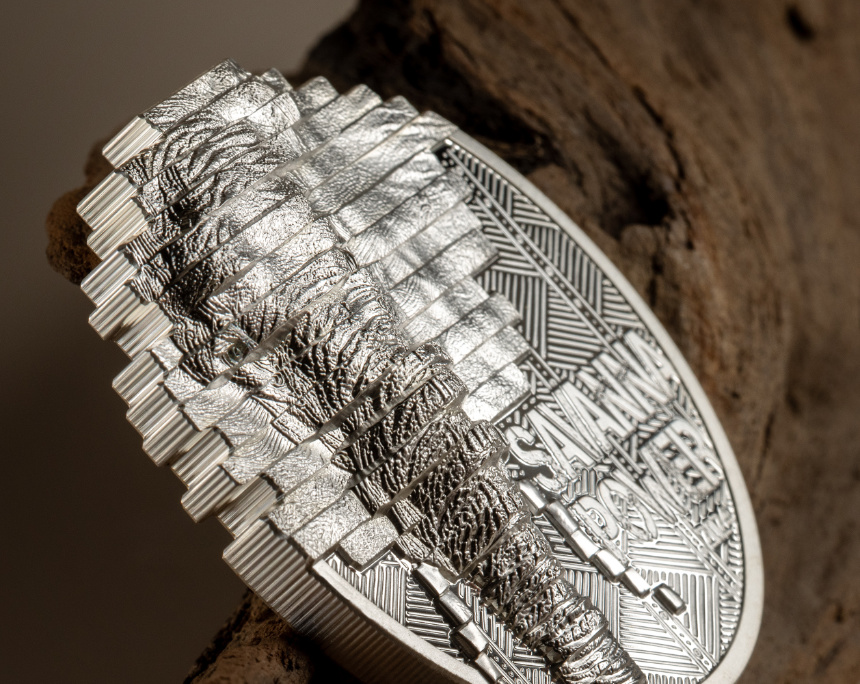
New CIT Issue: Reconstruction – Elephant
With the Reconstruction series, CIT presents a new type of coin design, showcasing once again the ingenious way in which B. H. Mayer’s Kunstprägeanstalt transforms the demanding designs of the Liechtenstein innovators into minted objects.
Archive: Coins, Medals and more
 https://new.coinsweekly.com/wp-content/uploads/2023/06/CoCo05_15.jpg
534
1000
Ursula Kampmann
https://new.coinsweekly.com/wp-content/uploads/2023/01/logo-coinsweekly_590x204.png
Ursula Kampmann2022-06-13 09:54:432023-06-27 10:33:10The French Marianne I: Marianne as a Representative of the French People – Part 2
https://new.coinsweekly.com/wp-content/uploads/2023/06/CoCo05_15.jpg
534
1000
Ursula Kampmann
https://new.coinsweekly.com/wp-content/uploads/2023/01/logo-coinsweekly_590x204.png
Ursula Kampmann2022-06-13 09:54:432023-06-27 10:33:10The French Marianne I: Marianne as a Representative of the French People – Part 2 https://new.coinsweekly.com/wp-content/uploads/2023/06/CoCo06_09c.jpg
1369
1331
Ursula Kampmann
https://new.coinsweekly.com/wp-content/uploads/2023/01/logo-coinsweekly_590x204.png
Ursula Kampmann2022-06-13 10:49:272023-06-29 10:51:03Courageous Girls in the Coin Wonderland
https://new.coinsweekly.com/wp-content/uploads/2023/06/CoCo06_09c.jpg
1369
1331
Ursula Kampmann
https://new.coinsweekly.com/wp-content/uploads/2023/01/logo-coinsweekly_590x204.png
Ursula Kampmann2022-06-13 10:49:272023-06-29 10:51:03Courageous Girls in the Coin Wonderland
Two-Euro Ticker: New €2 Coins in January 2025
Fresh additions for €2 collectors – and a surprising twist: 2025 kicks off with an unexpected yet understandable change of plans from one issuing country.
Will Germany Abolish the 1 and 2 Cent Coins?
We Germans still like to pay with cash, but like in many other countries, the 1 and 2 cent coins are unpopular. The important National Cash Forum has now spoken out in favor of their de facto abolition. Read here how cash transactions would change in practice.