






Archive: People and Markets
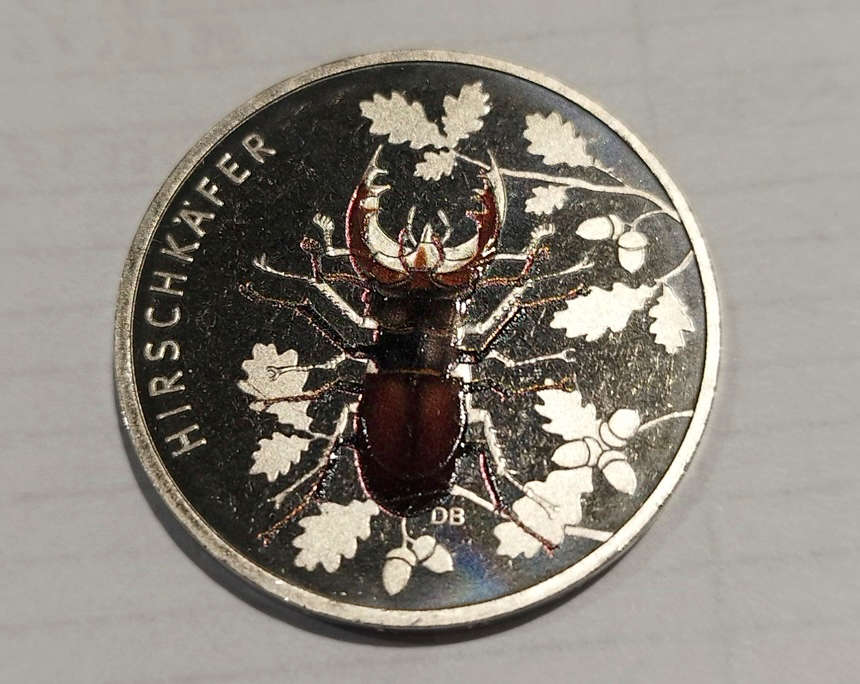
The Fascinating World of Insects and Minting Errors: The Misaligned Stag Beetle
A year ago, the paint on coins from the “Fascinating World of Insects” series began to flake off. Now, new anomalies have surfaced—ones that experts find only partially explainable.

John Highfill († 15 June 2025)
Tulsa, Oklahoma rare coin dealer John Highfill, founder of the National Silver Dollar Roundtable and author of a landmark 1,200-page reference book, The Comprehensive U.S. Silver Dollar Encyclopedia, passed away on June 15, 2025. He was 82.
Archive: Coins, Medals and more
 https://new.coinsweekly.com/wp-content/uploads/2025/02/2025KW09HA01_00.jpg
684
860
Lucie Loechel
https://new.coinsweekly.com/wp-content/uploads/2023/01/logo-coinsweekly_590x204.png
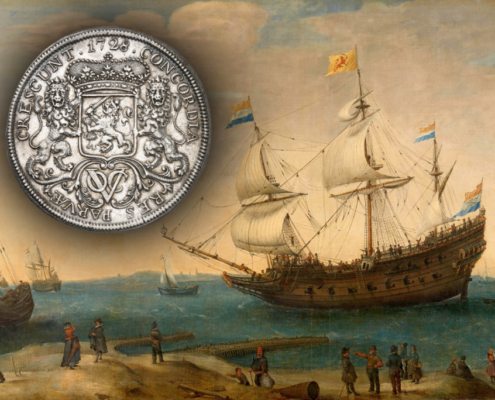
Lucie Loechel2025-02-27 10:27:202025-02-27 12:01:04VOC: The Other Side of the Dutch Golden Age
https://new.coinsweekly.com/wp-content/uploads/2025/02/2025KW09HA01_00.jpg
684
860
Lucie Loechel
https://new.coinsweekly.com/wp-content/uploads/2023/01/logo-coinsweekly_590x204.png
Lucie Loechel2025-02-27 10:27:202025-02-27 12:01:04VOC: The Other Side of the Dutch Golden Age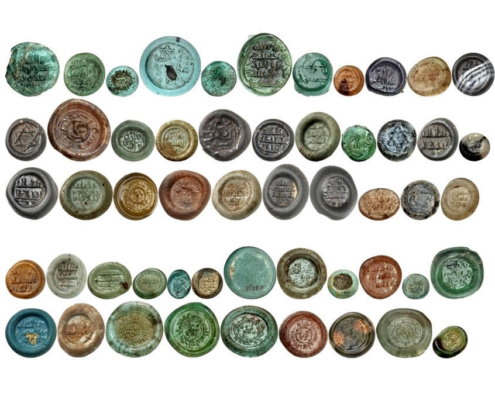 https://new.coinsweekly.com/wp-content/uploads/2024/11/2024KW47HA1_00.jpg
684
860
Lucie Loechel
https://new.coinsweekly.com/wp-content/uploads/2023/01/logo-coinsweekly_590x204.png
Lucie Loechel2024-11-21 10:15:332024-11-21 10:15:50Important Collection of Islamic Glass Weights at Numismatica Genevensis SA
https://new.coinsweekly.com/wp-content/uploads/2024/11/2024KW47HA1_00.jpg
684
860
Lucie Loechel
https://new.coinsweekly.com/wp-content/uploads/2023/01/logo-coinsweekly_590x204.png
Lucie Loechel2024-11-21 10:15:332024-11-21 10:15:50Important Collection of Islamic Glass Weights at Numismatica Genevensis SA
A Visit to the MIF International Money Fair
Not too long ago, the MIF International Money Fair was a banknote collector’s best kept secret. Today this banknote fair is a compulsory event on the calendar for dealers and collectors alike! Sebastian Wieschowski was there as Maastricht once again claims the title as the world’s Banknote trading capital – thanks to the MIF.
Martin Hirsch Becomes the New Director of the Bavarian State Coin Collection
Martin Hirsch has worked at the Bavarian State Coin Collection in Munich for years, and now he has been appointed Director. Dr. Hirsch has a lot planned for his new role.