






Archive: People and Markets
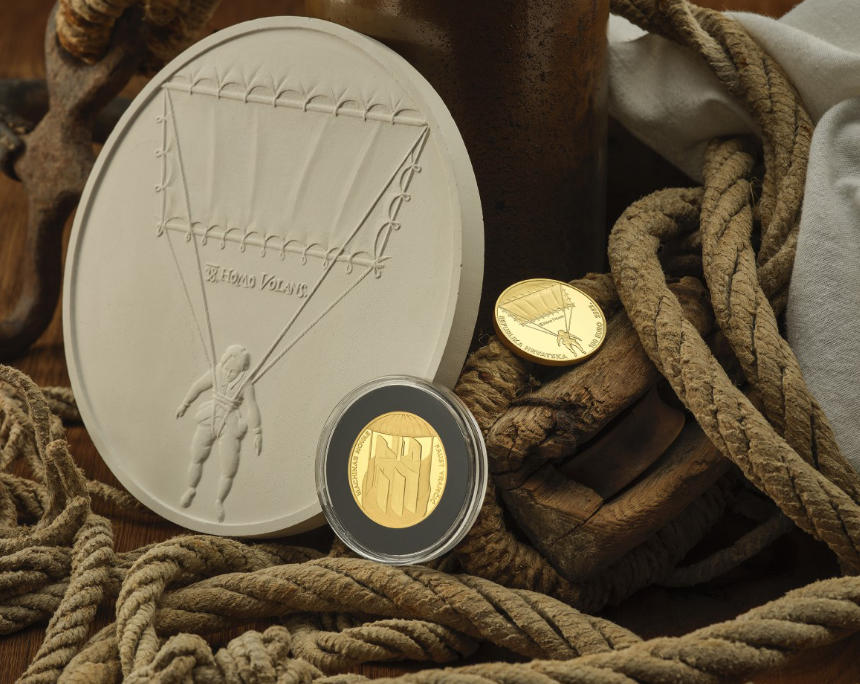
Faust Vrančić: The Croatian Leonardo
Croatia issues two new collector coins as part of its “Croatian Innovators” series. They are dedicated to Faust Vrančić, a Croatian polymath whose parachute design, published in his 1595 book “Machinae novae”, is the first appearance of this device in a printed work.
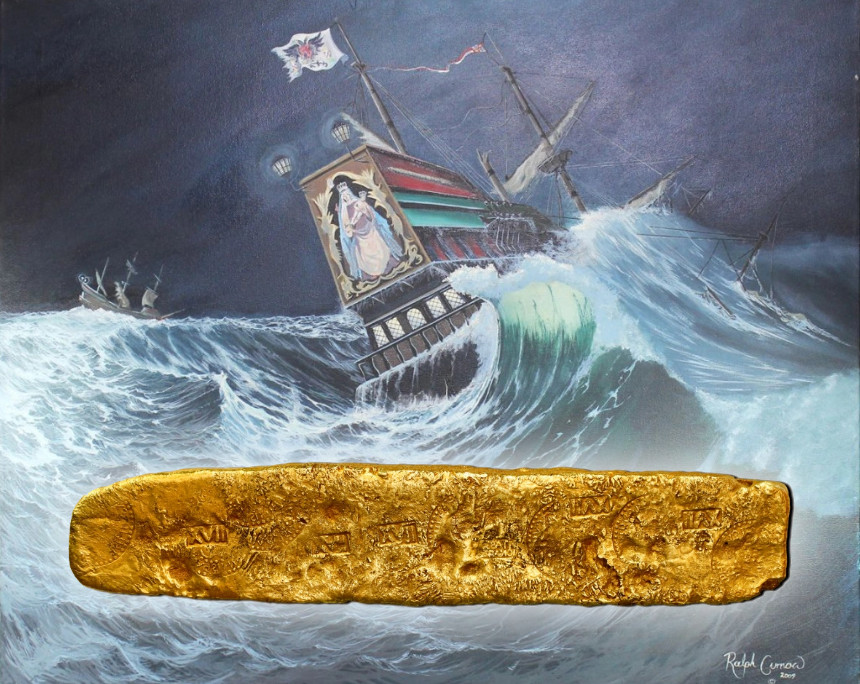
Gold Bar from Famous Shipwreck Comes Under the Hammer
In 1622, the Nuestra Señora de Atocha sank off the coast of Key West along with all the treasures on board. Sedwick is now auctioning off one of the largest gold bars ever recovered.
Archive: Coins, Medals and more
 https://new.coinsweekly.com/wp-content/uploads/2024/10/2024KW42HA2_00.jpg
684
860
Lucie Loechel
https://new.coinsweekly.com/wp-content/uploads/2023/01/logo-coinsweekly_590x204.png
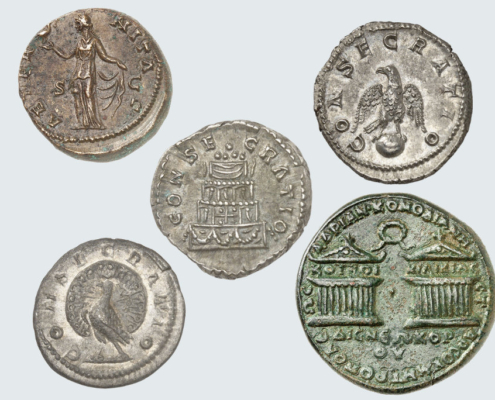
Lucie Loechel2024-10-17 10:44:212024-10-17 11:19:35Oh Dear, I Think I’m Becoming a God! Numismatic Testaments to the Consecration of Roman Emperors
https://new.coinsweekly.com/wp-content/uploads/2024/10/2024KW42HA2_00.jpg
684
860
Lucie Loechel
https://new.coinsweekly.com/wp-content/uploads/2023/01/logo-coinsweekly_590x204.png
Lucie Loechel2024-10-17 10:44:212024-10-17 11:19:35Oh Dear, I Think I’m Becoming a God! Numismatic Testaments to the Consecration of Roman Emperors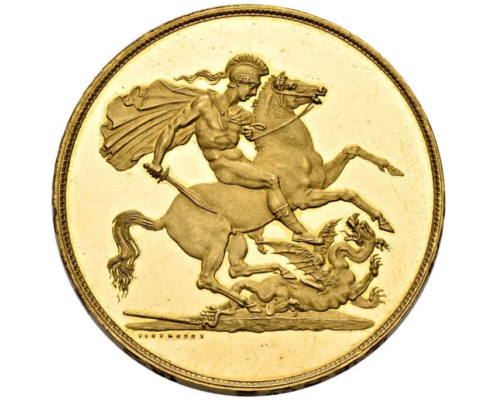 https://new.coinsweekly.com/wp-content/uploads/2023/05/00HASinconaProbe1820.jpg
684
860
Ursula Kampmann
https://new.coinsweekly.com/wp-content/uploads/2023/01/logo-coinsweekly_590x204.png
Ursula Kampmann2023-05-11 09:04:372023-05-12 13:41:02As the King Lay Dying… – The Most Spectacular British Gold Coin of the Modern Era
https://new.coinsweekly.com/wp-content/uploads/2023/05/00HASinconaProbe1820.jpg
684
860
Ursula Kampmann
https://new.coinsweekly.com/wp-content/uploads/2023/01/logo-coinsweekly_590x204.png
Ursula Kampmann2023-05-11 09:04:372023-05-12 13:41:02As the King Lay Dying… – The Most Spectacular British Gold Coin of the Modern Era
ANA’s Summer Seminar Program 2023
In June 2023, the ANA’s Summer Seminar will offer 33 classes on many numismatic topics that can be of interest to collectors. You can still register, read on!
Successful December 2023 HKINF
The organizers of the 11th Hong Kong International Numismatic Fair (HKINF) are grateful for the positive feedback they received for the event. The date of the next HKINF has now been announced. Tables are still available.