






Archive: People and Markets
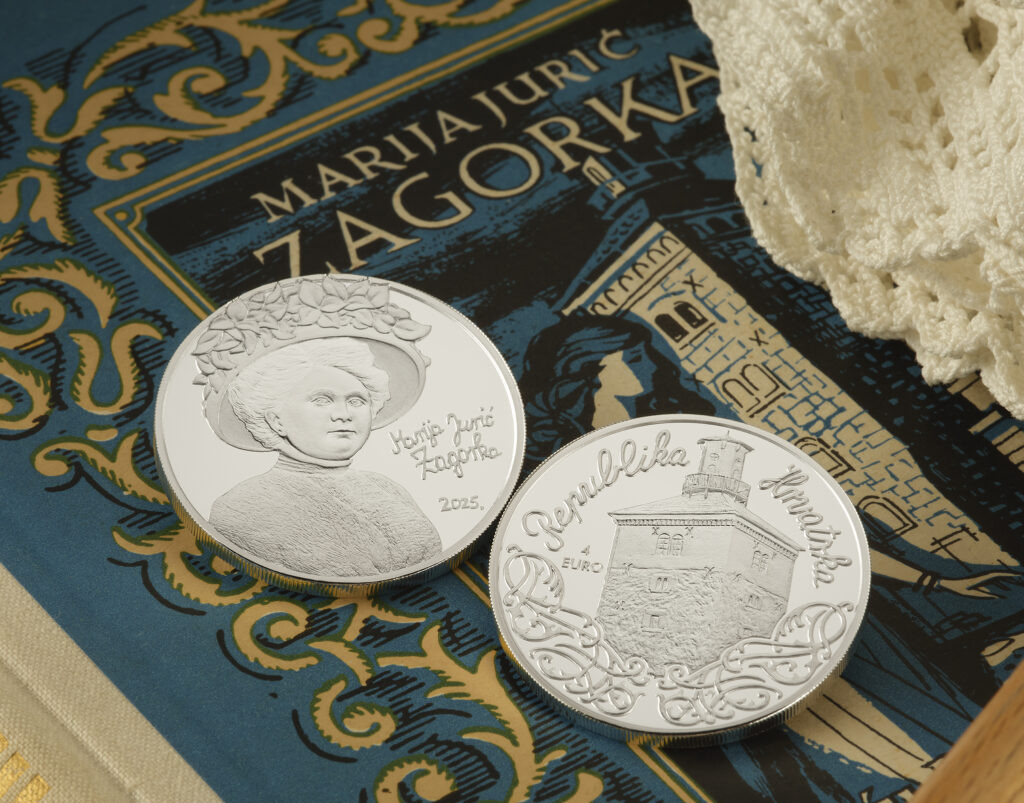
Marija Jurić Zagorka: A Feminist Icon from Croatia
The Croatian National Bank, in cooperation with the Croatian Mint, continues its series on Croatian literature. The second issue is dedicated to Marija Jurić Zagorka. She is celebrated in Croatia as an icon of feminism.
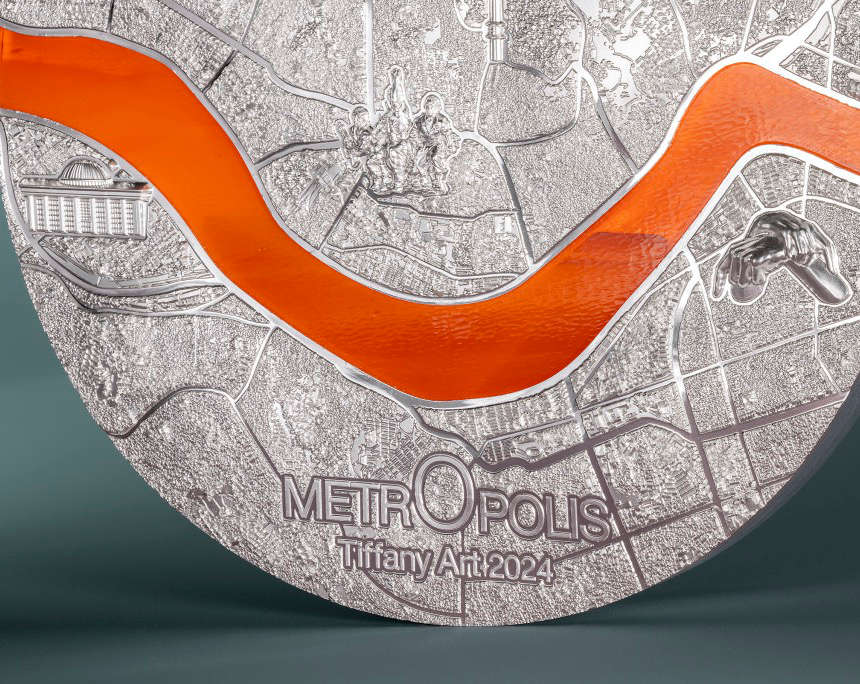
CIT’s Tiffany Art Metropolis – Seoul
CIT dedicates its fourth issue of the Tiffany Art Metropolis series to an Asian city. Following Paris, Rome and London, in 2024 CIT presents the metropolis of Seoul on the Han River.
Archive: Coins, Medals and more
 https://new.coinsweekly.com/wp-content/uploads/2025/02/2025KW09HA02_00.jpg
684
860
Lucie Loechel
https://new.coinsweekly.com/wp-content/uploads/2023/01/logo-coinsweekly_590x204.png
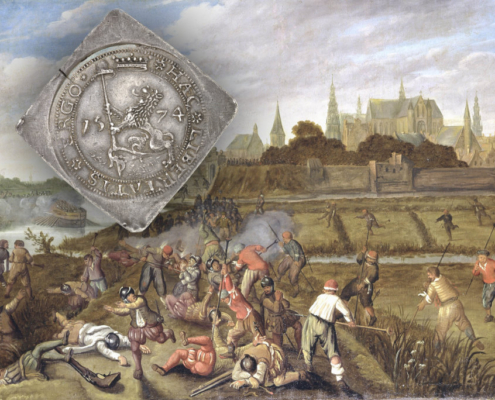
Lucie Loechel2025-02-27 10:19:482025-02-27 10:25:36The Suffering of Leiden – A Siege During the Dutch Revolt
https://new.coinsweekly.com/wp-content/uploads/2025/02/2025KW09HA02_00.jpg
684
860
Lucie Loechel
https://new.coinsweekly.com/wp-content/uploads/2023/01/logo-coinsweekly_590x204.png
Lucie Loechel2025-02-27 10:19:482025-02-27 10:25:36The Suffering of Leiden – A Siege During the Dutch Revolt https://new.coinsweekly.com/wp-content/uploads/2023/06/00_Value_of_coins.jpg
750
1000
Bruno
https://new.coinsweekly.com/wp-content/uploads/2023/01/logo-coinsweekly_590x204.png
Bruno2022-06-13 10:56:082023-06-27 11:29:37Planchet Error, Overstrike, Double-Strike, Etc.: Which Errors Affect the Price of a Coin? – Part 1
https://new.coinsweekly.com/wp-content/uploads/2023/06/00_Value_of_coins.jpg
750
1000
Bruno
https://new.coinsweekly.com/wp-content/uploads/2023/01/logo-coinsweekly_590x204.png
Bruno2022-06-13 10:56:082023-06-27 11:29:37Planchet Error, Overstrike, Double-Strike, Etc.: Which Errors Affect the Price of a Coin? – Part 1
ANS Announces Recipient of Chairman’s Fellowship in Numismatic Research
The American Numismatic Society has chosen the inaugural recipient for the Chairman’s Fellowship for Numismatic Research. The fellowship will fund a dissertation research and a planned book project.
CCG is Expanding its Network of Partners
CCG is continuously expanding its network of partners around the globe. Recently, for example, they appointed Currencypedia as an NGC and PMG Authorized Dealer in India and Aste Aurora an Official Submission Center in San Marino.