











Archive: People and Markets
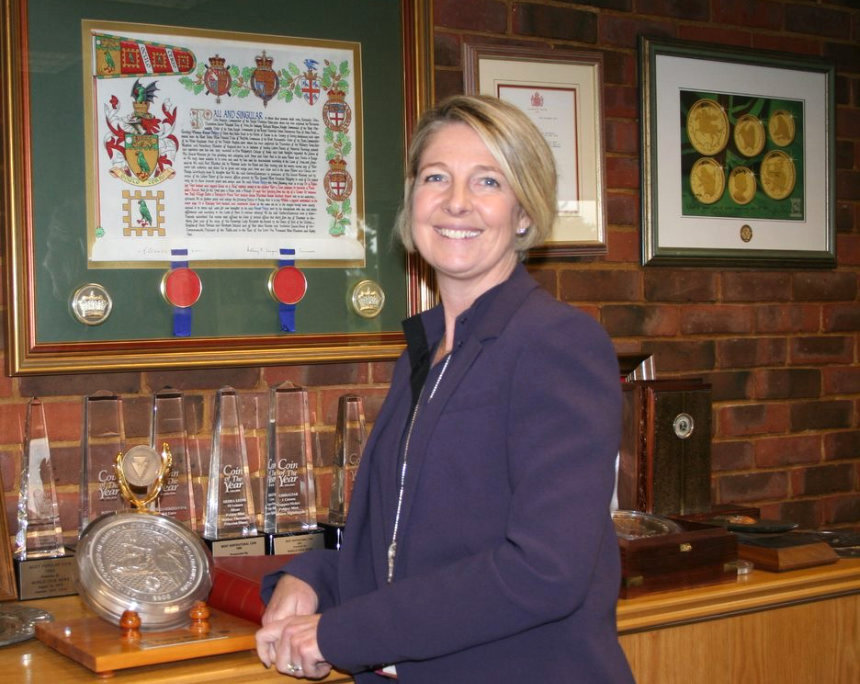
Pobjoy Mint to Close Their Doors at the End of the Year
Pobjoy Mint, an icon of Non-Circulating Legal Tender manufacturing have announced they will close their doors. This does not come as a surprise for those who know the market. Ursula Kampmann comments.

Change at the Helm of the U.S. Mint – Gibson Resigns
The upheaval in the U.S. administration is also affecting the U.S. Mint. Director Gibson resigned. This does not come at an easy time for the institution.
Archive: Coins, Medals and more
 https://new.coinsweekly.com/wp-content/uploads/2024/07/2024KW27HA_00.jpg
684
860
Ursula Kampmann
https://new.coinsweekly.com/wp-content/uploads/2023/01/logo-coinsweekly_590x204.png
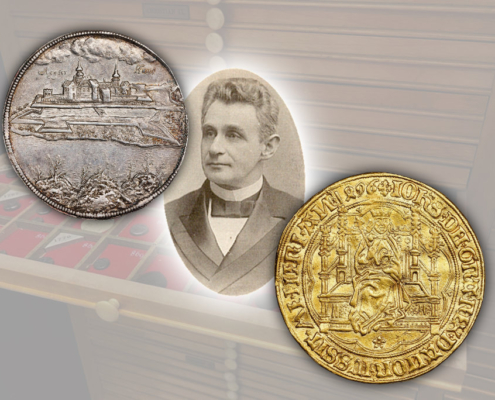
Ursula Kampmann2024-07-04 10:28:022024-07-04 15:03:20Highlights from the Bruun Collection
https://new.coinsweekly.com/wp-content/uploads/2024/07/2024KW27HA_00.jpg
684
860
Ursula Kampmann
https://new.coinsweekly.com/wp-content/uploads/2023/01/logo-coinsweekly_590x204.png
Ursula Kampmann2024-07-04 10:28:022024-07-04 15:03:20Highlights from the Bruun Collection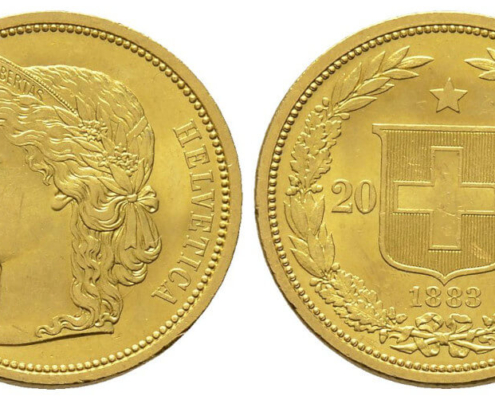 https://new.coinsweekly.com/wp-content/uploads/2023/06/00_CH-1883-20Fr.jpg
502
1000
Bruno
https://new.coinsweekly.com/wp-content/uploads/2023/01/logo-coinsweekly_590x204.png
Bruno2022-06-13 14:16:552023-06-29 11:02:58The Vreneli – A Swiss Icon
https://new.coinsweekly.com/wp-content/uploads/2023/06/00_CH-1883-20Fr.jpg
502
1000
Bruno
https://new.coinsweekly.com/wp-content/uploads/2023/01/logo-coinsweekly_590x204.png
Bruno2022-06-13 14:16:552023-06-29 11:02:58The Vreneli – A Swiss Icon
Manfred Dunker Honored as the Founder of Modern Coin Marketing
Manfred Dunker played a decisive role in the creation of MDM and is probably the most influential person in the history of modern commemorative coins. At the World Money Fair 2025, Samlerhuset Group paid tribute to its most important employee.
German Coins in 2026: Two New Series and a Familiar Face
The Federal Ministry of Finance has published the coin programme for 2026. Collectors can look forward to a total of twelve coin issues covering a wide thematic spectrum.