






Archive: People and Markets
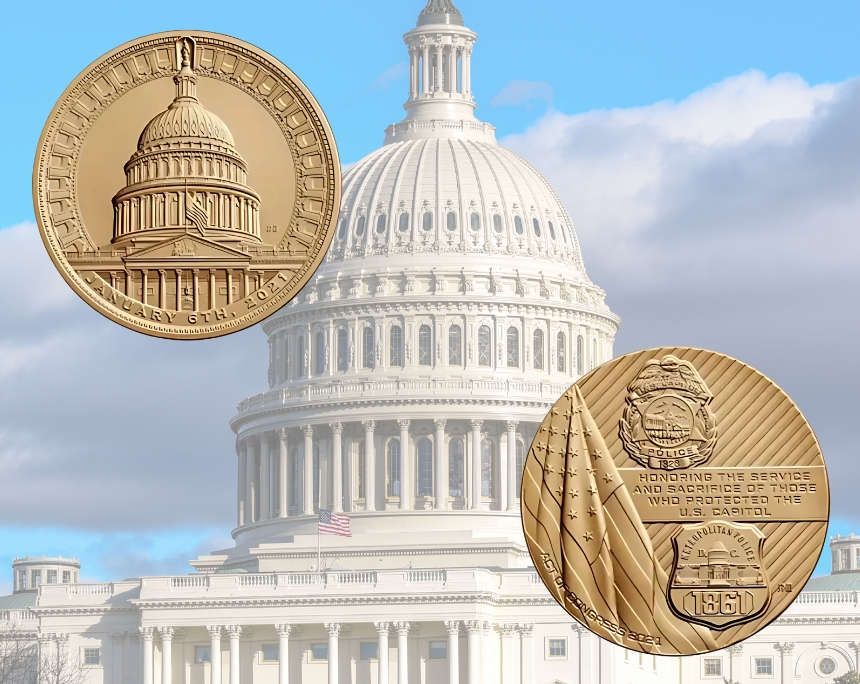
Trump’s Influence? United States Mint Removes Commemorative Medal from Store
The United States Mint has removed a commemorative medal honouring the police officers who defended the Capitol during the attack on 6 January 2021 from its website, sparking criticism.

Rich and Poor in Early Tudor England
The Met Cloisters takes you into a merchant’s house in 16th-century England. Why did a rich man exhibit images of the poor? Intriguing objects tell us about tastes and self-expression. And you can expect coins to be there too!
Archive: Coins, Medals and more
 https://new.coinsweekly.com/wp-content/uploads/2024/03/00-2024KW13aHauptartikel_00.jpg
684
860
Sebastian Wieschowski
https://new.coinsweekly.com/wp-content/uploads/2023/01/logo-coinsweekly_590x204.png
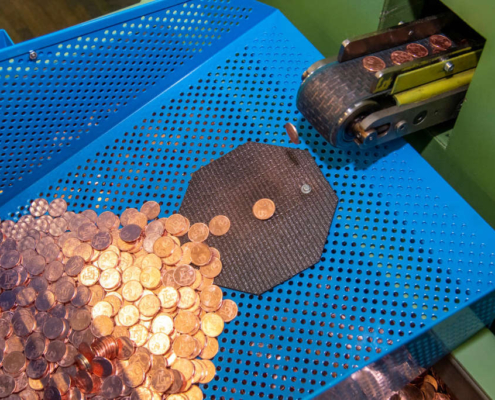
Sebastian Wieschowski2024-03-28 08:00:342024-03-28 10:58:28Croatia’s First Year as a Euro Country: A New Era for Coin Collectors and the Croatian Mint
https://new.coinsweekly.com/wp-content/uploads/2024/03/00-2024KW13aHauptartikel_00.jpg
684
860
Sebastian Wieschowski
https://new.coinsweekly.com/wp-content/uploads/2023/01/logo-coinsweekly_590x204.png
Sebastian Wieschowski2024-03-28 08:00:342024-03-28 10:58:28Croatia’s First Year as a Euro Country: A New Era for Coin Collectors and the Croatian Mint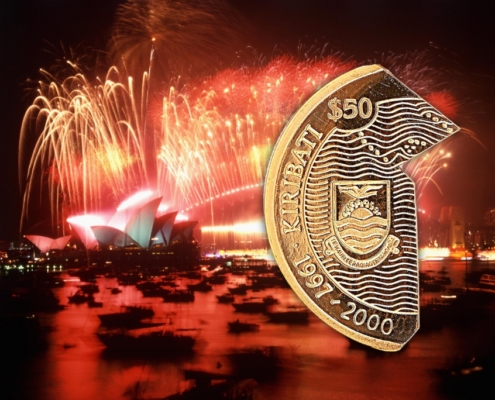 https://new.coinsweekly.com/wp-content/uploads/2025/01/2025KW03HA_00.jpg
684
860
Sebastian Wieschowski
https://new.coinsweekly.com/wp-content/uploads/2023/01/logo-coinsweekly_590x204.png
Sebastian Wieschowski2025-01-16 07:00:032025-01-16 16:55:4925 Years Ago: Millennium Coins and the Dawn of a New Era
https://new.coinsweekly.com/wp-content/uploads/2025/01/2025KW03HA_00.jpg
684
860
Sebastian Wieschowski
https://new.coinsweekly.com/wp-content/uploads/2023/01/logo-coinsweekly_590x204.png
Sebastian Wieschowski2025-01-16 07:00:032025-01-16 16:55:4925 Years Ago: Millennium Coins and the Dawn of a New Era
Imperial Impressions – New Exhibition at the Kunsthistorisches Museum in Vienna
A new temporary exhibition at the Kunsthistorisches Museum Vienna is exploring medals as a form of art and a tool of courtly representation for the House of Habsburg. The focus is also on the court medalists.
Employees of Monnaie de Paris Launch Petition to Protect Their Site
“Hands off Monnaie de Paris” – with this clear message, Rodolphe Krempp, Deputy Sales Director at Monnaie de Paris, reached out to his contacts on the business network LinkedIn over the weekend.