







Archive: People and Markets
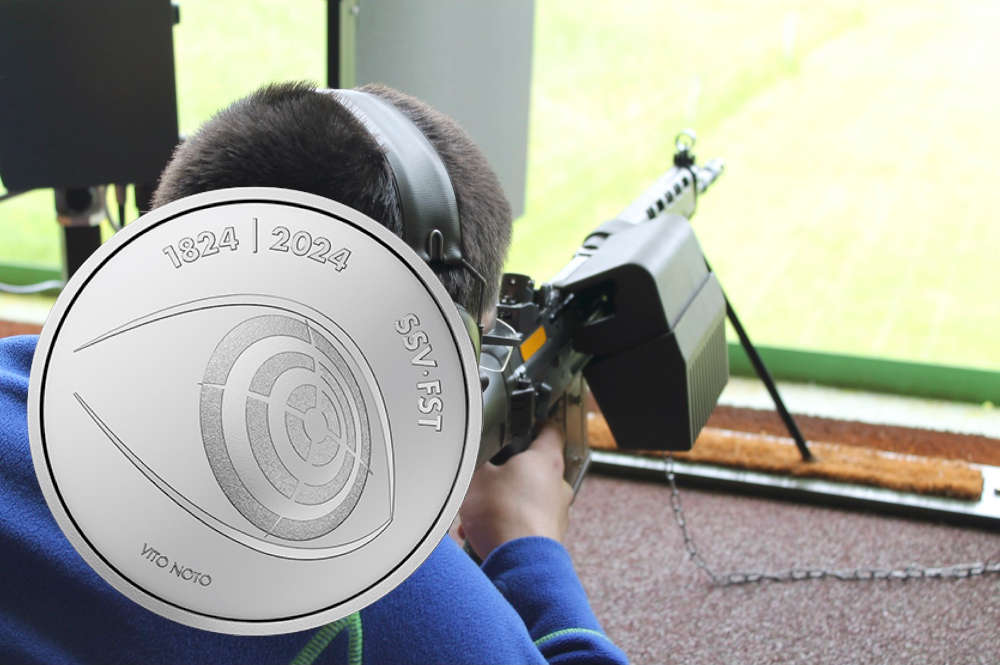
Swissmint Celebrates 200 Years “Swiss Shooting Sports Federation”
In June, Swissmint has issued a new collector coin, “Swiss Shooting Sports Federation”. This is the start of the numismatic celebration that mark the 200th anniversary of the organization which will go on until 2024.
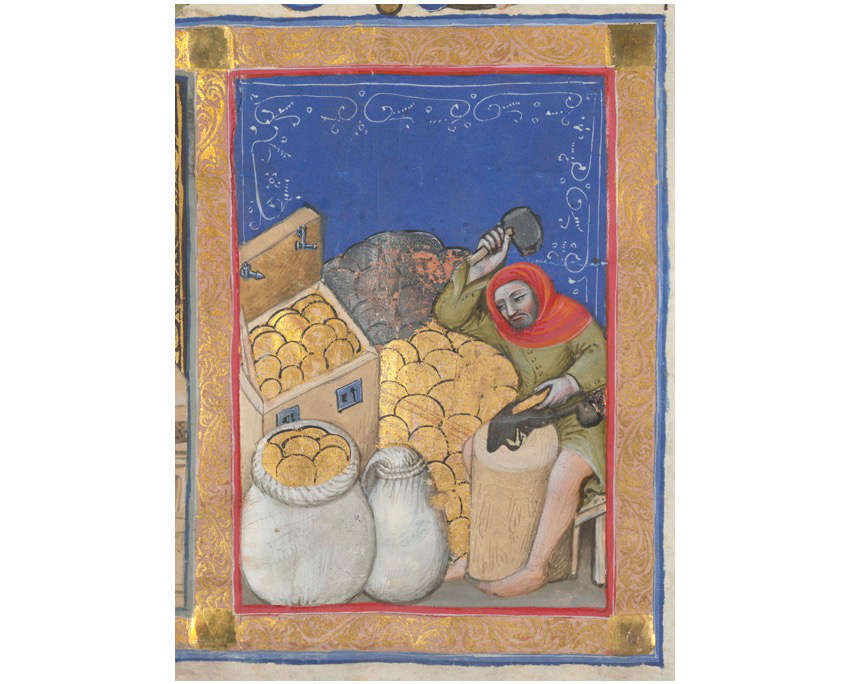
Medieval Money, Merchants, and Morality
The new exhibition in the Morgan Library & Museum examines the economic revolution in medieval Europe and charts the expanding role and perception of money during that period. The medieval manuscripts shown in the exhibition are truly stunning!
Archive: Coins, Medals and more
 https://new.coinsweekly.com/wp-content/uploads/2025/04/2025KW16HA02_00.jpg
684
860
Lucie Loechel
https://new.coinsweekly.com/wp-content/uploads/2023/01/logo-coinsweekly_590x204.png
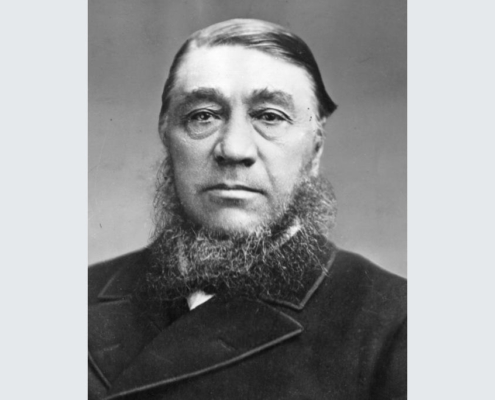
Lucie Loechel2025-04-17 08:30:092025-04-17 10:43:15Berlin and South Africa – A Time-Honoured Connection
https://new.coinsweekly.com/wp-content/uploads/2025/04/2025KW16HA02_00.jpg
684
860
Lucie Loechel
https://new.coinsweekly.com/wp-content/uploads/2023/01/logo-coinsweekly_590x204.png
Lucie Loechel2025-04-17 08:30:092025-04-17 10:43:15Berlin and South Africa – A Time-Honoured Connection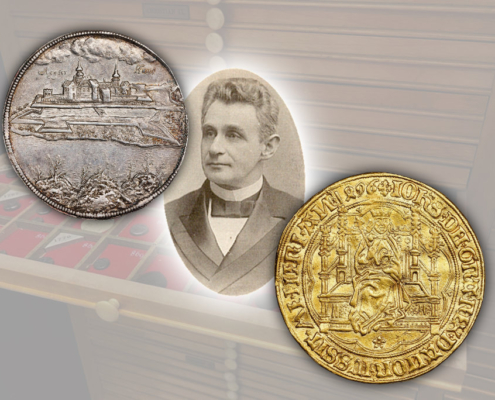 https://new.coinsweekly.com/wp-content/uploads/2024/07/2024KW27HA_00.jpg
684
860
Ursula Kampmann
https://new.coinsweekly.com/wp-content/uploads/2023/01/logo-coinsweekly_590x204.png
Ursula Kampmann2024-07-04 10:28:022024-07-04 15:03:20Highlights from the Bruun Collection
https://new.coinsweekly.com/wp-content/uploads/2024/07/2024KW27HA_00.jpg
684
860
Ursula Kampmann
https://new.coinsweekly.com/wp-content/uploads/2023/01/logo-coinsweekly_590x204.png
Ursula Kampmann2024-07-04 10:28:022024-07-04 15:03:20Highlights from the Bruun Collection
Martin Hirsch Becomes the New Director of the Bavarian State Coin Collection
Martin Hirsch has worked at the Bavarian State Coin Collection in Munich for years, and now he has been appointed Director. Dr. Hirsch has a lot planned for his new role.
The Cape Mint: The Oldest Private Mint in South Africa
Did you think the South African Mint was the only mint in South Africa? That’s not true. In the heart of Cape Town, a small private mint fulfills all customer needs. I was privileged to visit the Cape Mint and met people there who take great pride in their work.