






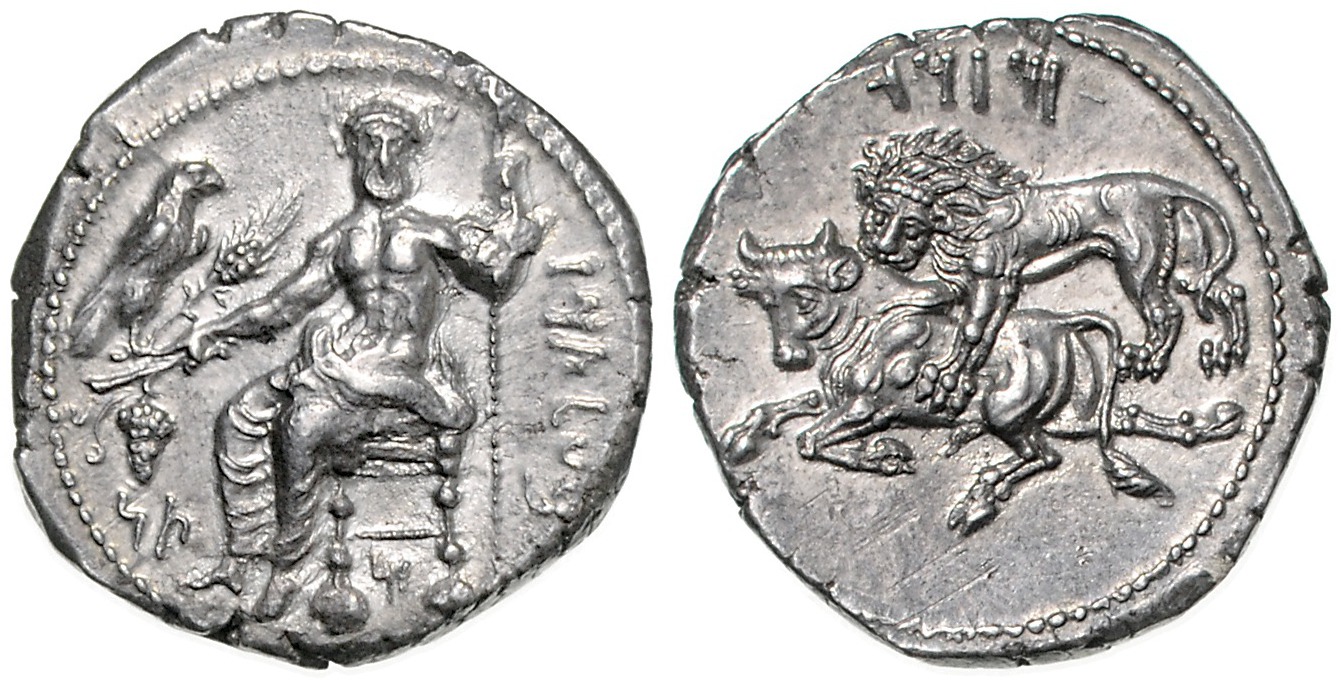
Persian satrap Mazzaios.
AR Stater (361-334 BC)
with Baal of Tarsus.
Condition: ef.
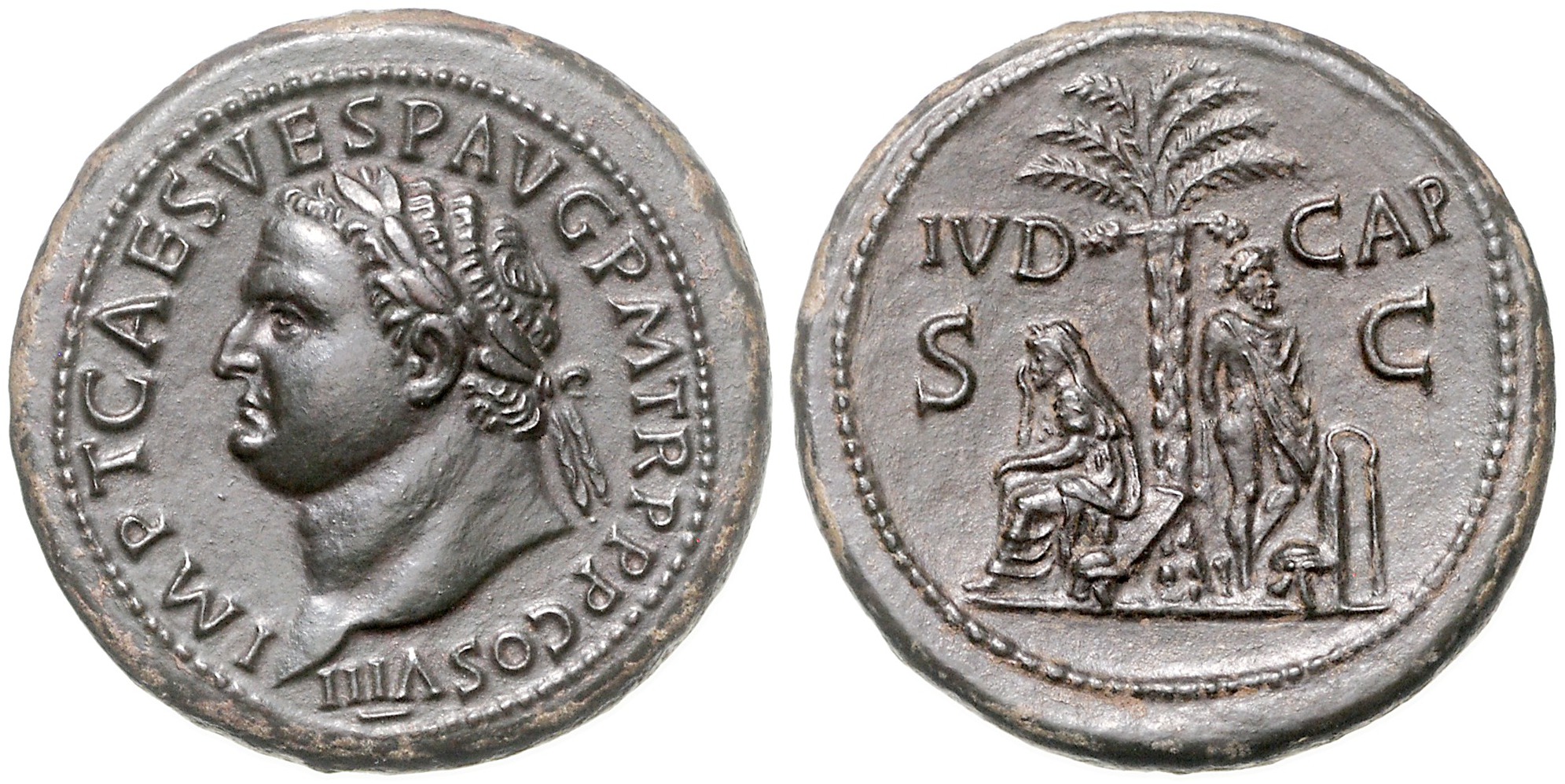
AE Sestertius (AD 80–81), Rome.
"Judaea Capta" type.
Condition: rare, ef.
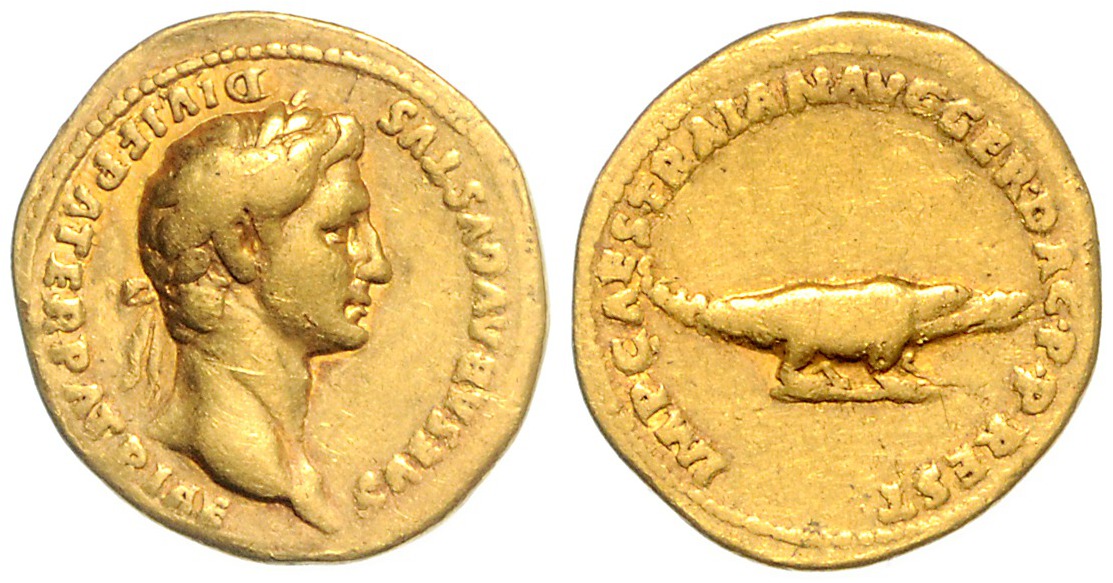
AV Aureus (AD 107–113), Rome.
Restitution issue honoring Augustus.
Condition: extremely rare, near vf.
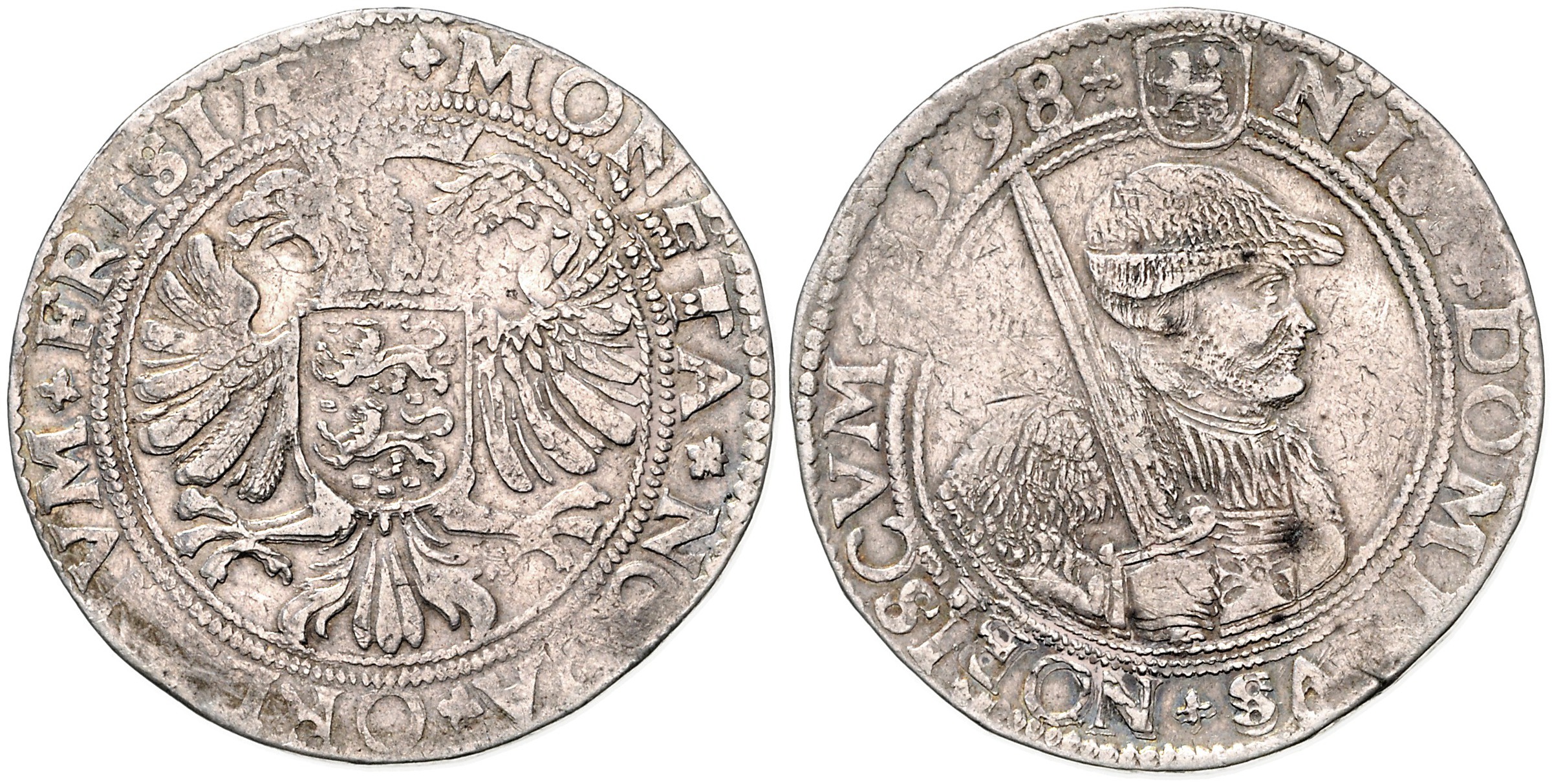
Arendsrijksdaalder (Eagle Rixdollar), 1598.
Condition: very rare, vf.
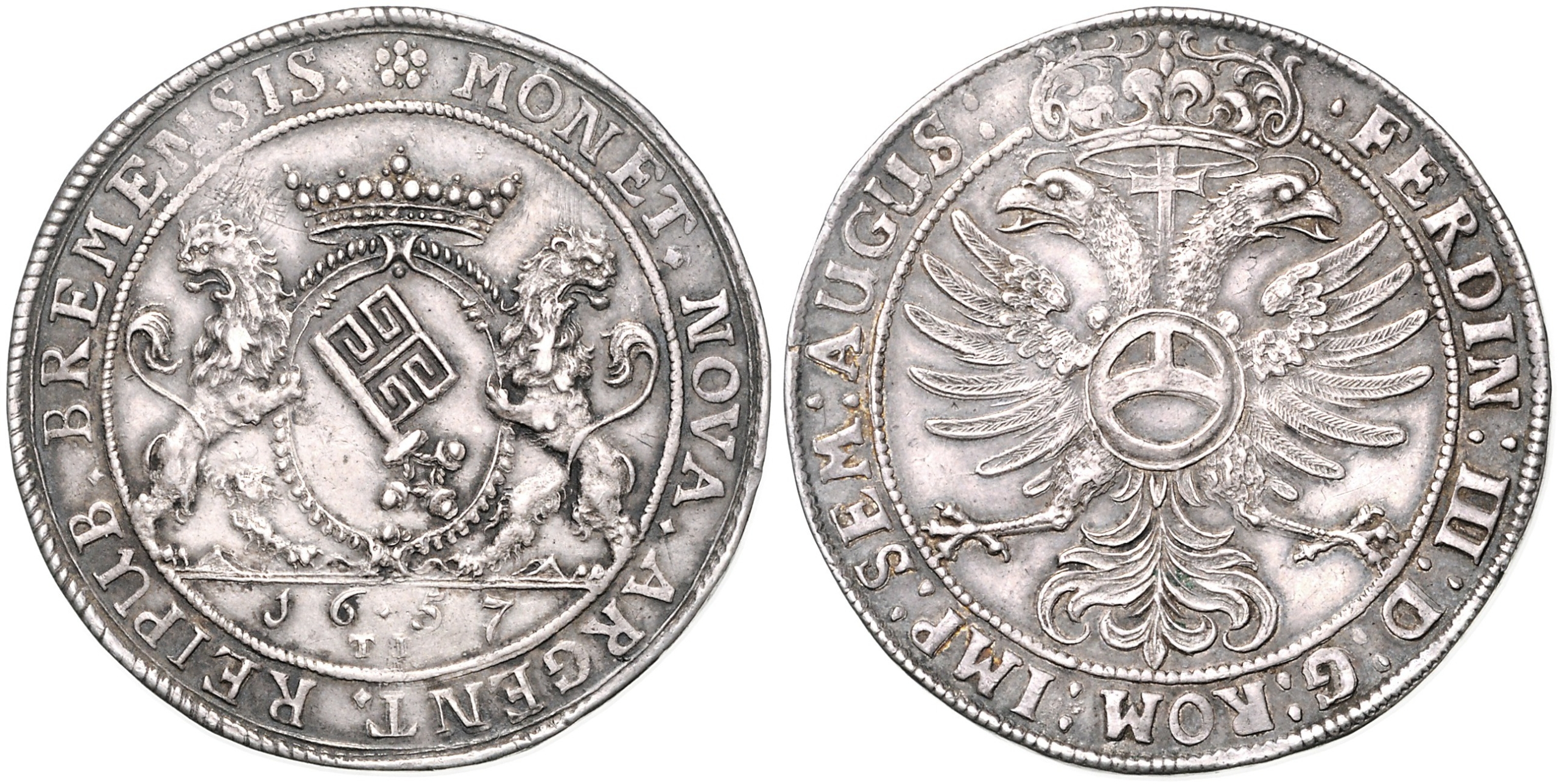
Thaler, 1657.
Bearing the title of Ferdinand III.
Condition: near ef/ef.
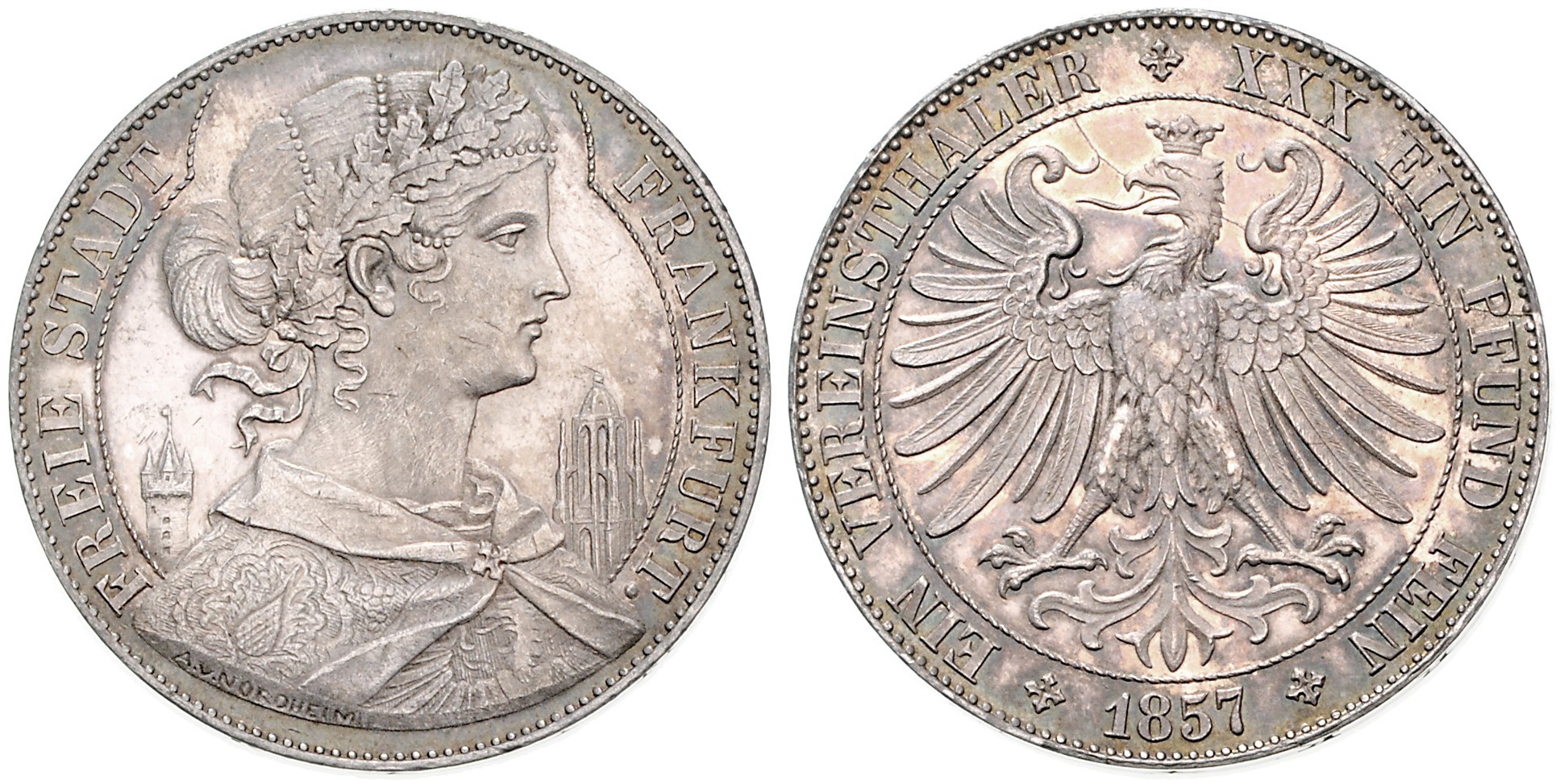
Vereinstaler 1857.
Condition: attr. piece, first strike.
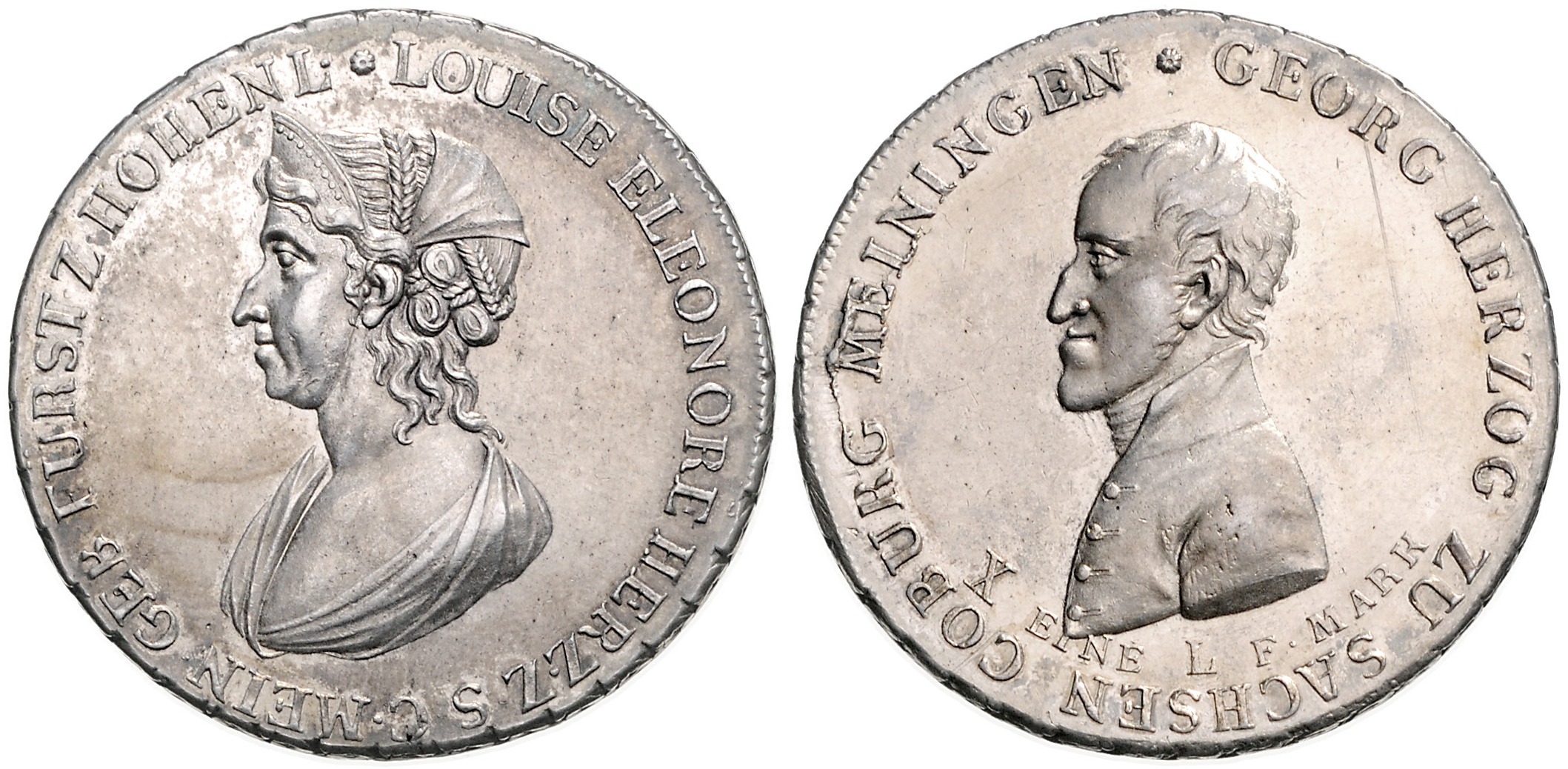
Convention thaler, n.d. (after 1803),
issued on the death of Duke Georg.
Condition: extremely rare, unc.
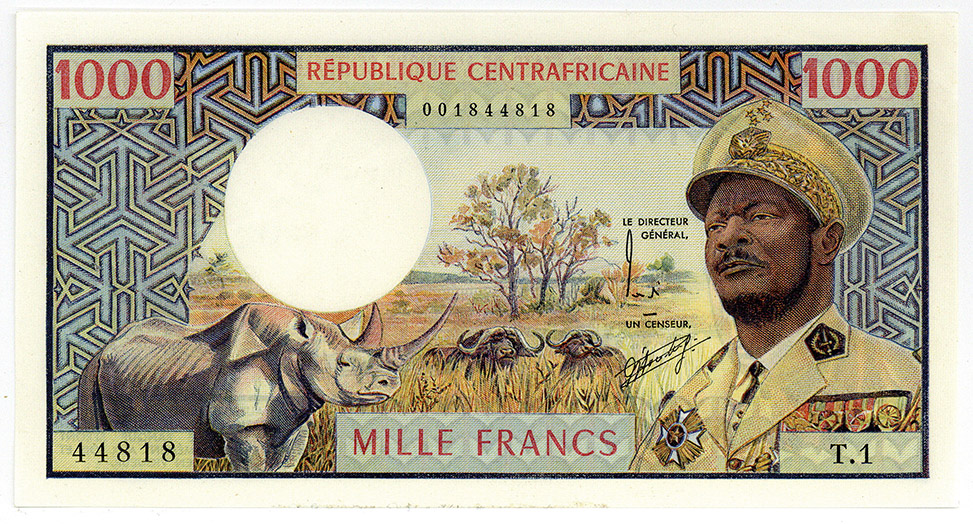
Banque des États de l'Afrique Centrale,
1000 francs 1974.
Condition: I-.
Archive: People and Markets
RPC Volumes V.2 and V.3 Now Available Online
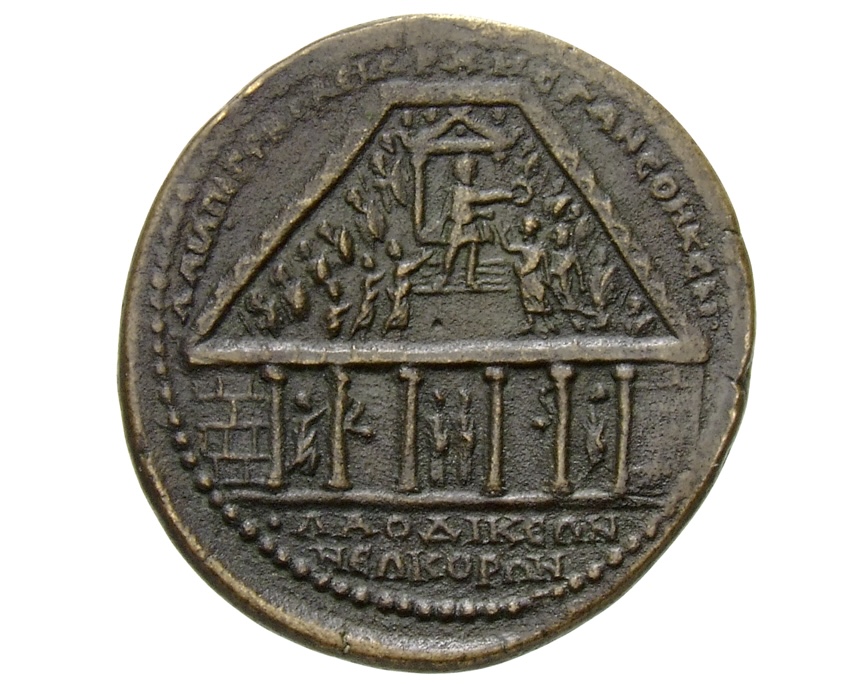
The Roman Provincial Coinage project now published RPC volume V.2 and V.3 online. They cover all Roman provincial coinage issues from Pertinax to the death of Macrinus (AD 193-218) in all the Eastern provinces of the Roman Empire. This includes 11,000 type descriptions and over 45,000 coins from 317 cities!
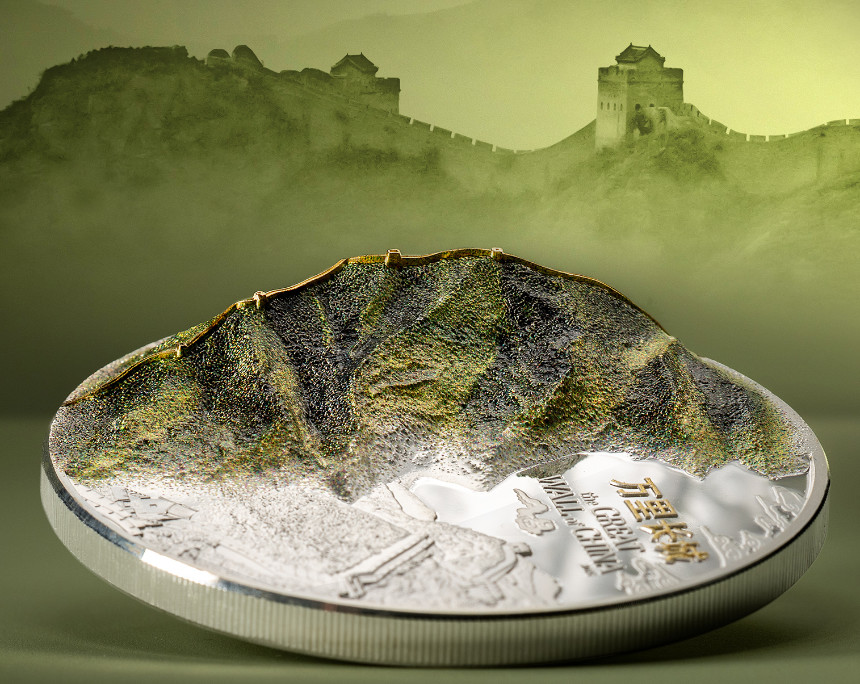
New CIT Issue: The Great Wall of China
No structure in China fires our imagination more than the 21,196-kilometer-long Great Wall of China. Using state-of-the-art minting technology, CIT has created a highly detailed tribute to the Wall with an ultra-high relief.
Archive: Coins, Medals and more
 https://new.coinsweekly.com/wp-content/uploads/2025/05/2025KW19HA01_00.jpg
684
860
Lucie Loechel
https://new.coinsweekly.com/wp-content/uploads/2023/01/logo-coinsweekly_590x204.png
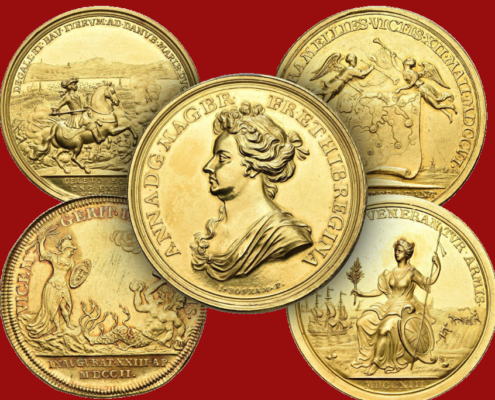
Lucie Loechel2025-05-08 10:15:222025-05-08 10:15:22Queen Anne: Great Britain on Its Way to Becoming a Global Power

“Alexandria in Nummis”– Impressions from the Symposium in Lugano
On 20 and 21 September, the Circolo Numismatico Ticinese (CNT) held an international symposium in Lugano dedicated to the Roman Imperial Coinage of Alexandria. Fabrizio Rossini, CNT president, shares his impressions of the event.
Hidden Coins Indicate the Destruction of a City
In the 4th century, the Jews revolted one last time against Roman rule. Now, for the first time, there is archaeological evidence of the destruction of the city of Lod during the suppression of the revolt – a hoard of coins recently found by Israeli archaeologists in the ruins of a building.