






Archive: People and Markets
Goetz-Ulf Jungmichel Elected as Associate Member of the Board of the Berufsverband des Deutschen Münzenfachhandels e.V
The Berufsverband des Deutschen Münzfachhandels e.V. recently held its board elections and made important personnel decisions.
Stack’s Bowers Galleries Professional Numismatist Program
If you have ever considered making your hobby your profession and aren’t older than 25 years, the Stack’s Bowers Professional Numismatist Program offers an opportunity to acquire the skills necessary to be successful in this field.
Archive: Coins, Medals and more
 https://new.coinsweekly.com/wp-content/uploads/2025/01/2025KW03HA_00.jpg
684
860
Sebastian Wieschowski
https://new.coinsweekly.com/wp-content/uploads/2023/01/logo-coinsweekly_590x204.png
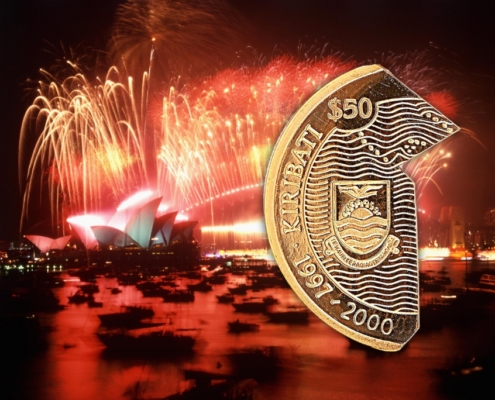
Sebastian Wieschowski2025-01-16 07:00:032025-01-16 16:55:4925 Years Ago: Millennium Coins and the Dawn of a New Era
https://new.coinsweekly.com/wp-content/uploads/2025/01/2025KW03HA_00.jpg
684
860
Sebastian Wieschowski
https://new.coinsweekly.com/wp-content/uploads/2023/01/logo-coinsweekly_590x204.png
Sebastian Wieschowski2025-01-16 07:00:032025-01-16 16:55:4925 Years Ago: Millennium Coins and the Dawn of a New Era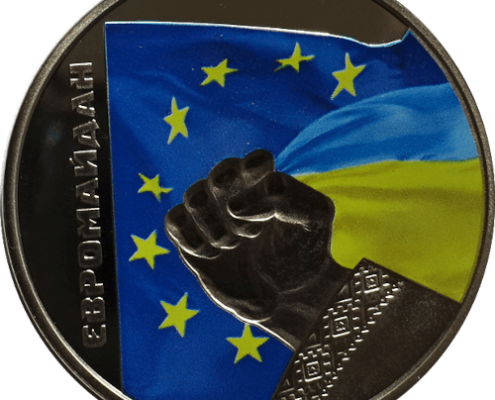 https://new.coinsweekly.com/wp-content/uploads/2023/06/00_DSC04222.png
506
500
Bruno
https://new.coinsweekly.com/wp-content/uploads/2023/01/logo-coinsweekly_590x204.png
Bruno2022-06-13 12:00:452023-07-03 12:18:15The National Identity of Modern Ukraine on its Commemorative Coins
https://new.coinsweekly.com/wp-content/uploads/2023/06/00_DSC04222.png
506
500
Bruno
https://new.coinsweekly.com/wp-content/uploads/2023/01/logo-coinsweekly_590x204.png
Bruno2022-06-13 12:00:452023-07-03 12:18:15The National Identity of Modern Ukraine on its Commemorative Coins
12th Kuala Lumpur International Numismatic Fair
Over 60 exhibiting companies will attend the Kuala Lumpur International Numismatic Fair, which will take place from March 29th to March 31st, 2024. Whether you’re a seasoned collector or a budding enthusiast, this event offers an opportunity to immerse yourself in the world of rare and valuable treasures.
Evento Numismático Internacional
There is a new coin show aimed at the Spanish-speaking world: from 26 to 29 June 2024, the first Evento Numismático Internacional will take place at the prestigious Four Seasons Hotel in Madrid, and will include a coin show, numerous presentations and an extensive cultural programme.