








Archive: People and Markets
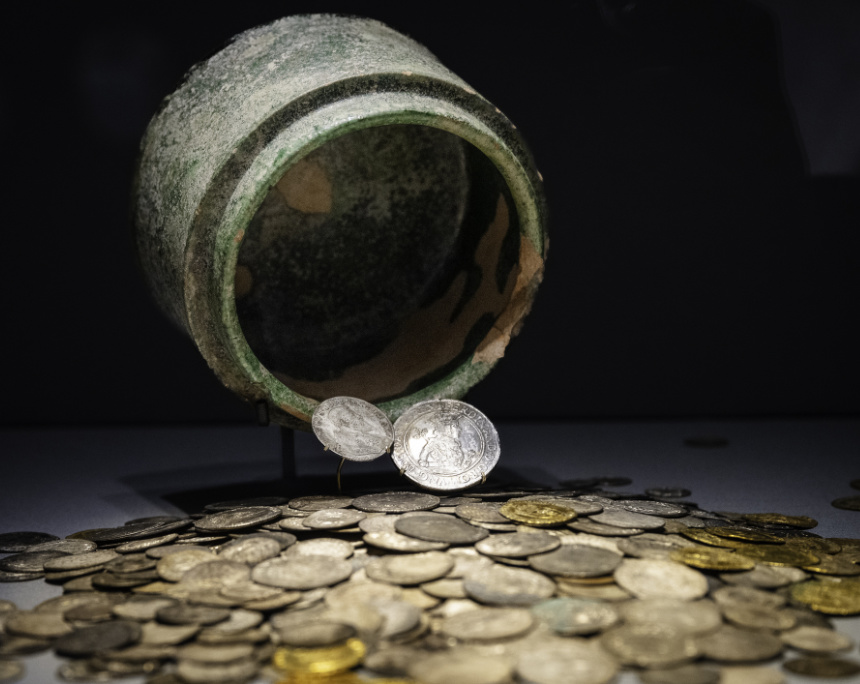
The Coin Hoard of Merishausen
From 15 March to 19 October 2025, the Museum zu Allerheiligen in Schaffhausen, Switzerland, is mounting a special exhibition on the coin hoard of Merishausen, presenting the results of research on this interesting ensemble to the public.
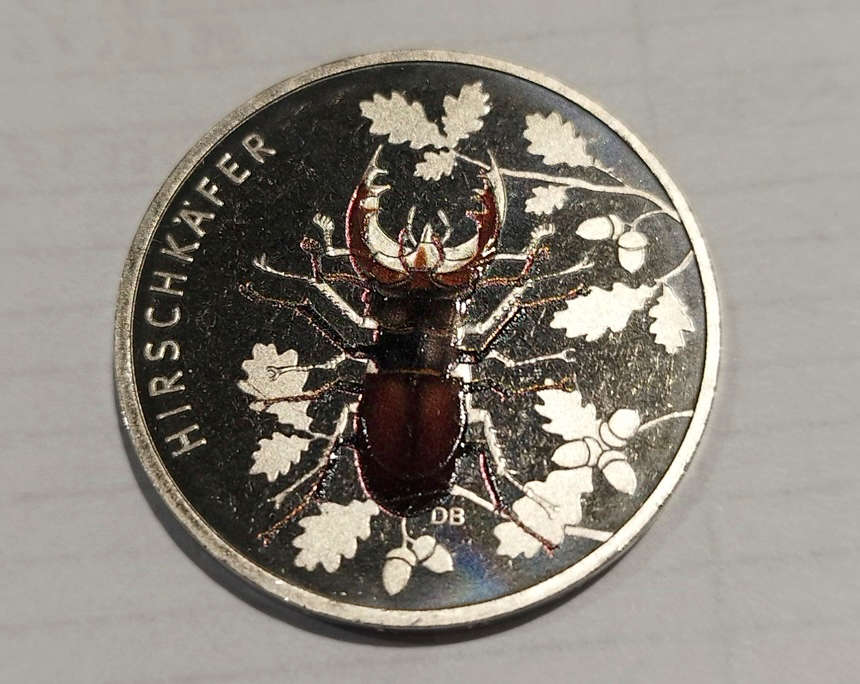
The Fascinating World of Insects and Minting Errors: The Misaligned Stag Beetle
A year ago, the paint on coins from the “Fascinating World of Insects” series began to flake off. Now, new anomalies have surfaced—ones that experts find only partially explainable.
Archive: Coins, Medals and more
 https://new.coinsweekly.com/wp-content/uploads/2024/12/2024KW49HA_00.jpg
684
860
Lucie Loechel
https://new.coinsweekly.com/wp-content/uploads/2023/01/logo-coinsweekly_590x204.png
Lucie Loechel2024-12-05 06:00:382024-12-05 13:32:34Swissmint Patterns at Numismatica Genevensis SA
https://new.coinsweekly.com/wp-content/uploads/2024/12/2024KW49HA_00.jpg
684
860
Lucie Loechel
https://new.coinsweekly.com/wp-content/uploads/2023/01/logo-coinsweekly_590x204.png
Lucie Loechel2024-12-05 06:00:382024-12-05 13:32:34Swissmint Patterns at Numismatica Genevensis SA https://new.coinsweekly.com/wp-content/uploads/2025/01/2025KW05HA01_00.jpg
684
860
Lucie Loechel
https://new.coinsweekly.com/wp-content/uploads/2023/01/logo-coinsweekly_590x204.png
Lucie Loechel2025-01-29 10:30:092025-01-30 07:13:21Record! South African Rarity Leaves All Previous Top Prices Far Behind
https://new.coinsweekly.com/wp-content/uploads/2025/01/2025KW05HA01_00.jpg
684
860
Lucie Loechel
https://new.coinsweekly.com/wp-content/uploads/2023/01/logo-coinsweekly_590x204.png
Lucie Loechel2025-01-29 10:30:092025-01-30 07:13:21Record! South African Rarity Leaves All Previous Top Prices Far Behind
Monnaie de Paris Faces Criticism from Enthusiastic Collectors
As athletes around the world prepare to deliver top performances at the Olympic Games, the Monnaie de Paris – France’s prestigious mint – has disqualified itself in the eyes of many collectors for unsporting behaviour. What happened?
Black Lizard: The Second Issue of the Autochthonous Croatia Series
If you want to witness how Darwin’s natural selection works, there is no need to travel to the Galápagos Islands. The lizards on Croatian islands are just as diverse as Galápagos tortoises. The Croatian Mint has dedicated its latest issue of the Autochthonous Croatia series to a very special lizard species.