








Archive: People and Markets
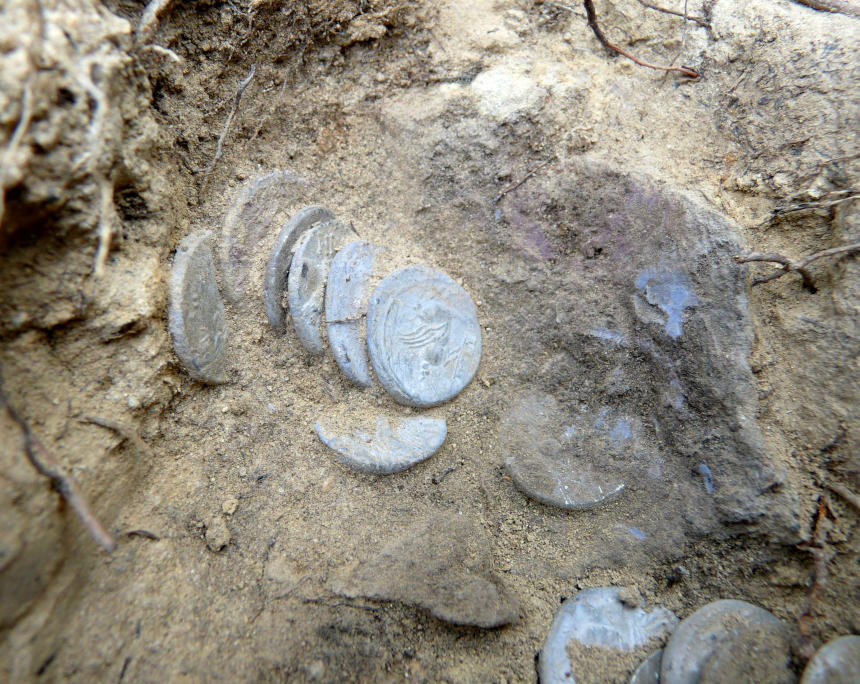
Coins from the Era of Marius and Sulla Discovered in Tuscany
In the Livorno region, a hoard of 175 Roman Republican denarii of remarkable quality was found in 2021. The existence of the treasure was kept secret until an exhibition displayed the pieces in 2023.
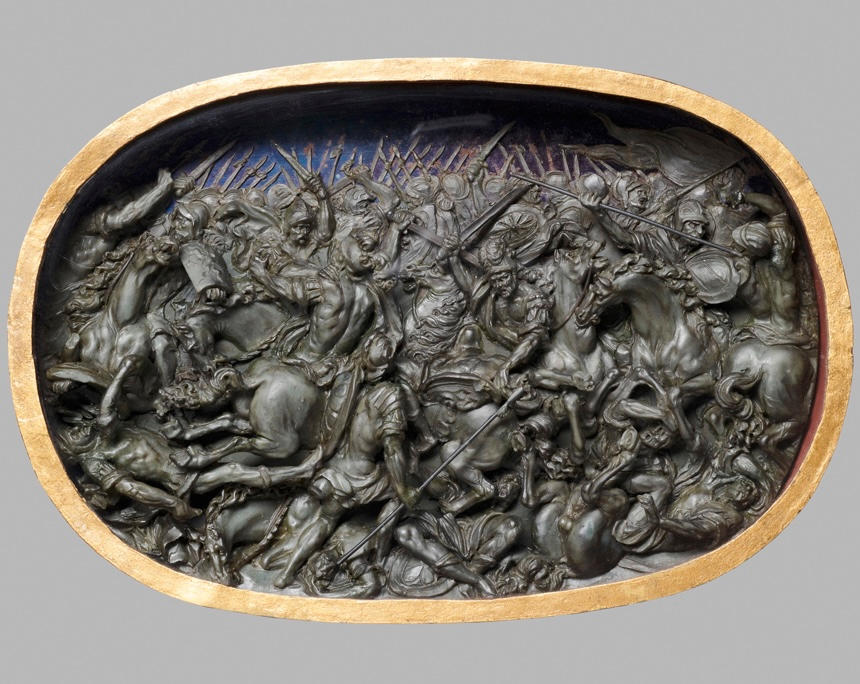
Daniel Neuberger and the Art of Deception – Exhibition at the Kunsthistorisches Museum
The Kunsthistorisches Museum Vienna is currently showing a special exhibition about Daniel Neuberger. Neuberger (1621–1680) was one of the most important and versatile artists at the imperial court in Vienna, where he worked as a wax sculptor, portraitist, and lapidary for Emperor Ferdinand III and his sons Ferdinand IV and Leopold I. more
Archive: Coins, Medals and more
 https://new.coinsweekly.com/wp-content/uploads/2023/08/2023KW34HA_00.jpg
684
860
Bruno
https://new.coinsweekly.com/wp-content/uploads/2023/01/logo-coinsweekly_590x204.png
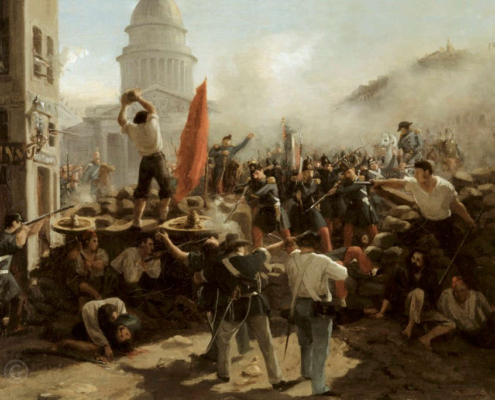
Bruno2023-08-23 10:16:152023-08-23 10:16:15French History in Coins – Part 2: From the Second Republic to the Second Empire
https://new.coinsweekly.com/wp-content/uploads/2023/08/2023KW34HA_00.jpg
684
860
Bruno
https://new.coinsweekly.com/wp-content/uploads/2023/01/logo-coinsweekly_590x204.png
Bruno2023-08-23 10:16:152023-08-23 10:16:15French History in Coins – Part 2: From the Second Republic to the Second Empire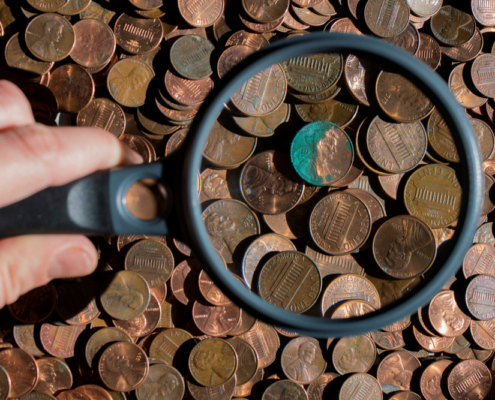 https://new.coinsweekly.com/wp-content/uploads/2023/06/00_shutterstock_774584251.jpg
667
1000
Bruno
https://new.coinsweekly.com/wp-content/uploads/2023/01/logo-coinsweekly_590x204.png
Bruno2022-06-13 13:25:492023-06-27 11:27:36Cleaning, Patina, Verdigris etc.: Which Errors Affect the Price of a Coin? – Part 2
https://new.coinsweekly.com/wp-content/uploads/2023/06/00_shutterstock_774584251.jpg
667
1000
Bruno
https://new.coinsweekly.com/wp-content/uploads/2023/01/logo-coinsweekly_590x204.png
Bruno2022-06-13 13:25:492023-06-27 11:27:36Cleaning, Patina, Verdigris etc.: Which Errors Affect the Price of a Coin? – Part 2
How the Certified Collectibles Group Takes Action Against Fraudsters
The Certified Collectibles Group (CCG) aggressively pursues bad actors who seek to defraud them and the collecting community. CEO Steven R. Eichenbaum reports on the fight and provides examples.
Fakes, Counterfeits, Imitations – CoinsWeekly NYINC Special Issue
It is every coin collector’s greatest fear: the precious centerpiece of a collection turns out to be a fake. But what can you do if suspicions arise? Our new CoinsWeekly Special Issue draws attention to different aspects of fakes, counterfeits and imitations.