






Archive: People and Markets
Minerva Magazine Ceased Publishing
The archaeological journal Minerva, founded in 1990, will discontinue its service with its last issue in July/August 2023. The reason for this, it says, are the lingering effects of the pandemic and increased costs. The last issue can be downloaded for free.
Important Volumes on Ancient Numismatics Will Soon Be Freely Available Online
A great piece of news: Over 6,000 volumes primarily on ancient numismatics from the S&S Library will be digitized and made available for everyone through the Newman Numismatic Portal.
Archive: Coins, Medals and more
 https://new.coinsweekly.com/wp-content/uploads/2024/07/2024KW28HA_00.jpg
684
860
Ursula Kampmann
https://new.coinsweekly.com/wp-content/uploads/2023/01/logo-coinsweekly_590x204.png
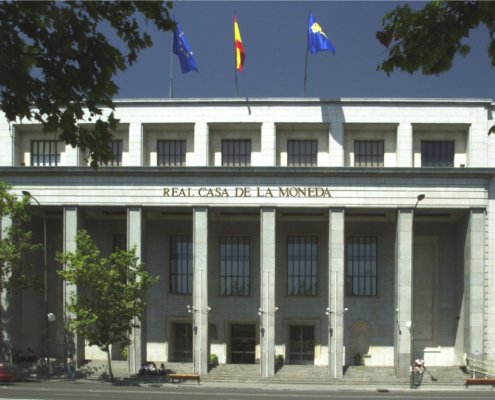
Ursula Kampmann2024-07-11 11:04:462024-07-11 11:19:29The Casa de la Moneda Museum in Madrid
https://new.coinsweekly.com/wp-content/uploads/2024/07/2024KW28HA_00.jpg
684
860
Ursula Kampmann
https://new.coinsweekly.com/wp-content/uploads/2023/01/logo-coinsweekly_590x204.png
Ursula Kampmann2024-07-11 11:04:462024-07-11 11:19:29The Casa de la Moneda Museum in Madrid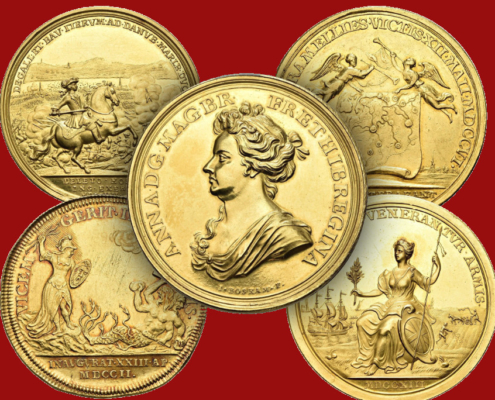 https://new.coinsweekly.com/wp-content/uploads/2025/05/2025KW19HA01_00.jpg
684
860
Lucie Loechel
https://new.coinsweekly.com/wp-content/uploads/2023/01/logo-coinsweekly_590x204.png
Lucie Loechel2025-05-08 10:15:222025-05-08 10:15:22Queen Anne: Great Britain on Its Way to Becoming a Global Power
https://new.coinsweekly.com/wp-content/uploads/2025/05/2025KW19HA01_00.jpg
684
860
Lucie Loechel
https://new.coinsweekly.com/wp-content/uploads/2023/01/logo-coinsweekly_590x204.png
Lucie Loechel2025-05-08 10:15:222025-05-08 10:15:22Queen Anne: Great Britain on Its Way to Becoming a Global Power
CoinFindsViewer – Roman Coin Finds in Southern Germany
Recently a new numismatic project went online: the CoinFindsViewer represents the first large-scale visualization of Roman coin find data in southern Germany. It enables users to interactively explore the dataset along the Roman frontier, the Limes, and its hinterland across various historical periods.
Exclusive High Relief Coin by Swissmint
In cooperation with CIT Coin Invest, Swissmint offered a special coin with smartminting high relief for the Zurich International Coin Fair.