






Archive: People and Markets
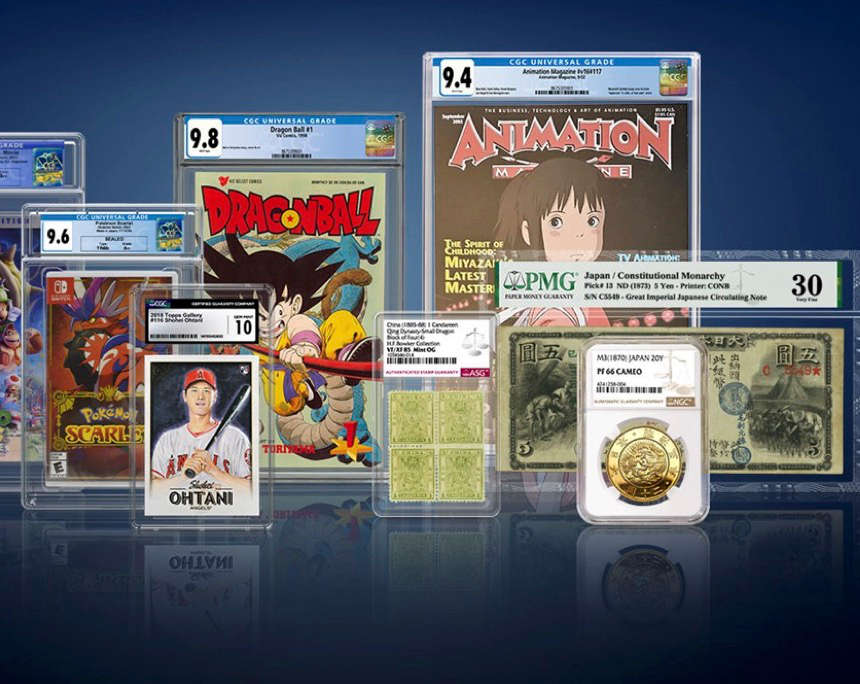
CCG to Open Tokyo Office in 2024
The Certified Collectibles Group® announced that it will open an office in Tokyo, Japan, in 2024. The new CCG office will make it easier for collectors and dealers in Japan and the surrounding region to submit to NGC, PMG and CGC.
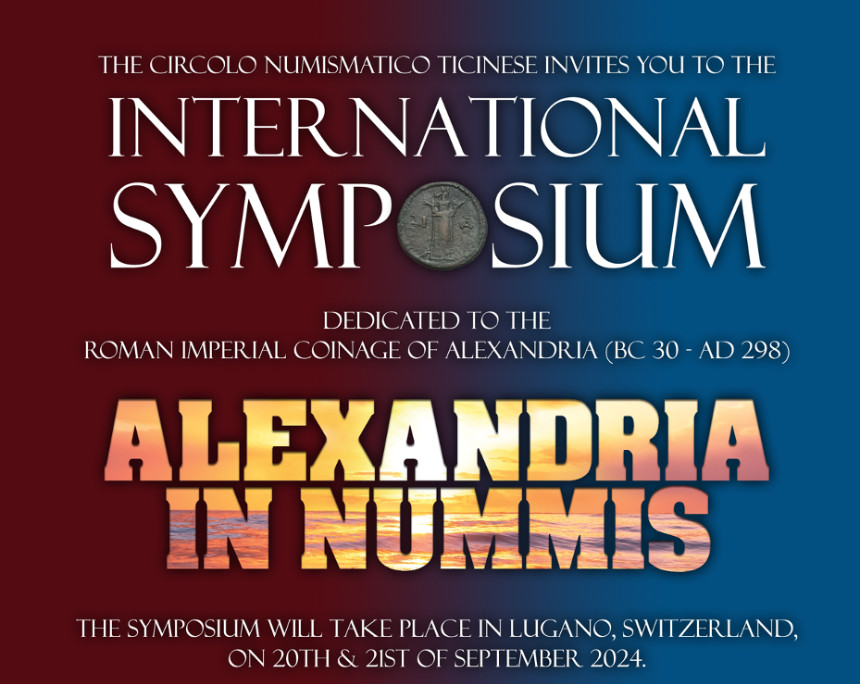
“Alexandria in Nummis”– Impressions from the Symposium in Lugano
On 20 and 21 September, the Circolo Numismatico Ticinese (CNT) held an international symposium in Lugano dedicated to the Roman Imperial Coinage of Alexandria. Fabrizio Rossini, CNT president, shares his impressions of the event.
Archive: Coins, Medals and more
 https://new.coinsweekly.com/wp-content/uploads/2024/02/2024KW09aHauptartikel_00.jpg
684
860
Ursula Kampmann
https://new.coinsweekly.com/wp-content/uploads/2023/01/logo-coinsweekly_590x204.png
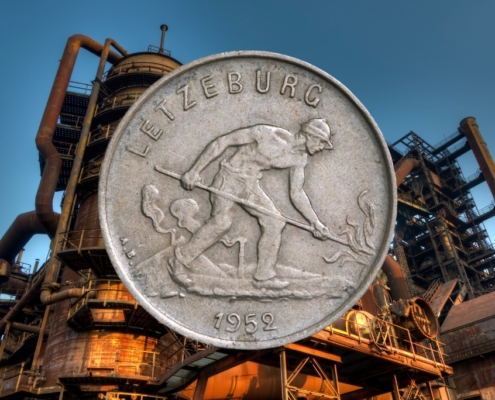
Ursula Kampmann2024-02-29 09:19:272024-02-29 14:11:43A Coin on a Coin: Luxembourg to Resurrect the “Feierstëppler”
https://new.coinsweekly.com/wp-content/uploads/2024/02/2024KW09aHauptartikel_00.jpg
684
860
Ursula Kampmann
https://new.coinsweekly.com/wp-content/uploads/2023/01/logo-coinsweekly_590x204.png
Ursula Kampmann2024-02-29 09:19:272024-02-29 14:11:43A Coin on a Coin: Luxembourg to Resurrect the “Feierstëppler”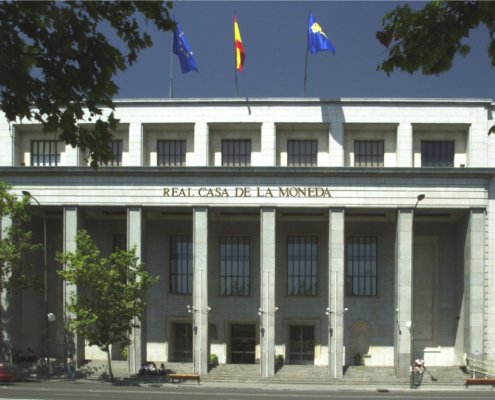 https://new.coinsweekly.com/wp-content/uploads/2024/07/2024KW28HA_00.jpg
684
860
Ursula Kampmann
https://new.coinsweekly.com/wp-content/uploads/2023/01/logo-coinsweekly_590x204.png
Ursula Kampmann2024-07-11 11:04:462024-07-11 11:19:29The Casa de la Moneda Museum in Madrid
https://new.coinsweekly.com/wp-content/uploads/2024/07/2024KW28HA_00.jpg
684
860
Ursula Kampmann
https://new.coinsweekly.com/wp-content/uploads/2023/01/logo-coinsweekly_590x204.png
Ursula Kampmann2024-07-11 11:04:462024-07-11 11:19:29The Casa de la Moneda Museum in Madrid
Directory of Circulating Coins – 4th Edition is Now Available
The fourth edition of the Directory of Circulating Coins has been published. Five years after the last edition, the useful reference book for current circulation coins is now up to date again.
INORCOAT: How to Make Minting More Sustainable
Are you annoyed by all the laws that make our lives more difficult but have no positive effect? Here’s an example of a law that actually makes sense: the planned ban on chromium (VI) electroplating is helping an innovative technology to make a breakthrough – and this development brings decisive advantages for the minting industry. Romain Waidelich of INORCOAT takes us behind the scenes.