








Archive: People and Markets
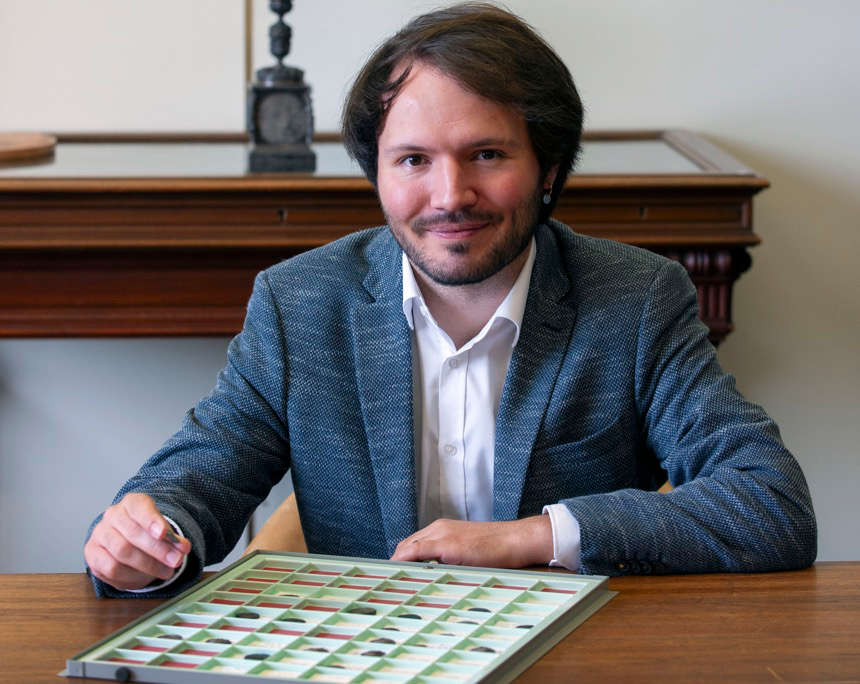
Nick Vaneerdewegh is the New Conservator of the Brussels Coin Cabinet
As of 19 August 2024, Nick Vaneerdewegh has been appointed as the new conservator of the Brussels Coin Cabinet, which houses one of the finest public numismatic collections in the world.
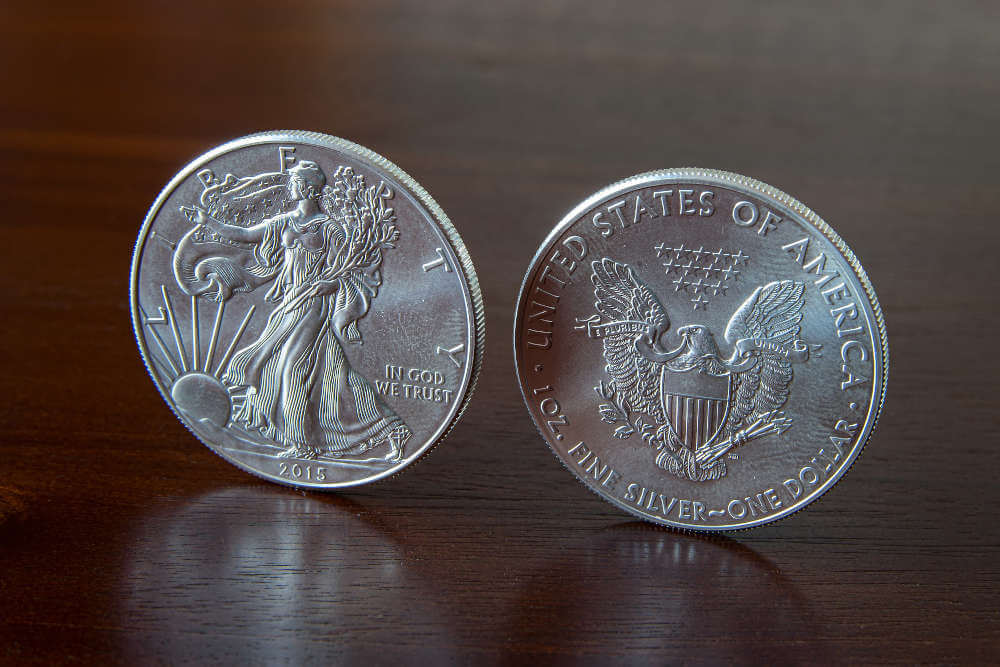
Call for Paper: Explain How Money Helped Building National Identity
How have coinage or paper currency been used to create or modify national identity in history? That is the topic of the Sundman Lecture Symposium at the 2023 ANA’s World’s Fair of Money. Any ideas? Submit your summary!
Archive: Coins, Medals and more
 https://new.coinsweekly.com/wp-content/uploads/2024/03/00-2024KW13aHauptartikel_00.jpg
684
860
Sebastian Wieschowski
https://new.coinsweekly.com/wp-content/uploads/2023/01/logo-coinsweekly_590x204.png
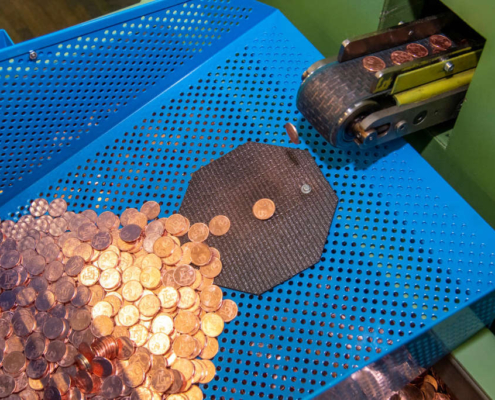
Sebastian Wieschowski2024-03-28 08:00:342024-03-28 10:58:28Croatia’s First Year as a Euro Country: A New Era for Coin Collectors and the Croatian Mint
https://new.coinsweekly.com/wp-content/uploads/2024/03/00-2024KW13aHauptartikel_00.jpg
684
860
Sebastian Wieschowski
https://new.coinsweekly.com/wp-content/uploads/2023/01/logo-coinsweekly_590x204.png
Sebastian Wieschowski2024-03-28 08:00:342024-03-28 10:58:28Croatia’s First Year as a Euro Country: A New Era for Coin Collectors and the Croatian Mint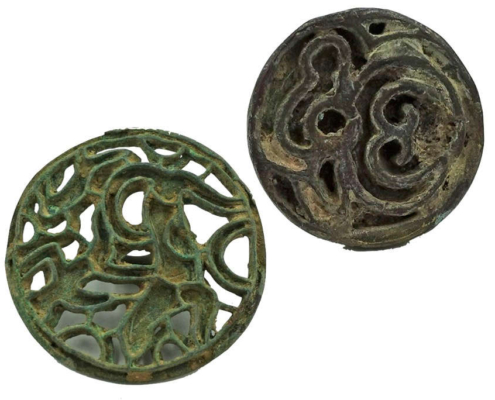 https://new.coinsweekly.com/wp-content/uploads/2024/02/2024KW06HA_00.jpg
684
860
Ursula Kampmann
https://new.coinsweekly.com/wp-content/uploads/2023/01/logo-coinsweekly_590x204.png
Ursula Kampmann2024-02-08 10:49:082024-02-08 13:52:53The St. Croix Collection of Baktrian Seals
https://new.coinsweekly.com/wp-content/uploads/2024/02/2024KW06HA_00.jpg
684
860
Ursula Kampmann
https://new.coinsweekly.com/wp-content/uploads/2023/01/logo-coinsweekly_590x204.png
Ursula Kampmann2024-02-08 10:49:082024-02-08 13:52:53The St. Croix Collection of Baktrian Seals
A Numismatist at the Head of the British Museum?
Following the resignation of the British Museum’s director and his deputy, the board of trustees has already filled one position on an interim basis. Surprisingly, the numismatist Sir Mark Jones has been proposed as interim director.
Beware of This Scam! These Euro Error Coins Are Not Error Coins
The Internet is currently full of so-called “error coins” – and many collectors fall victim to fraudulent offers. Our author numiscontrol explains what you need to know about the minting process to easily notice when something is off.