






Archive: People and Markets
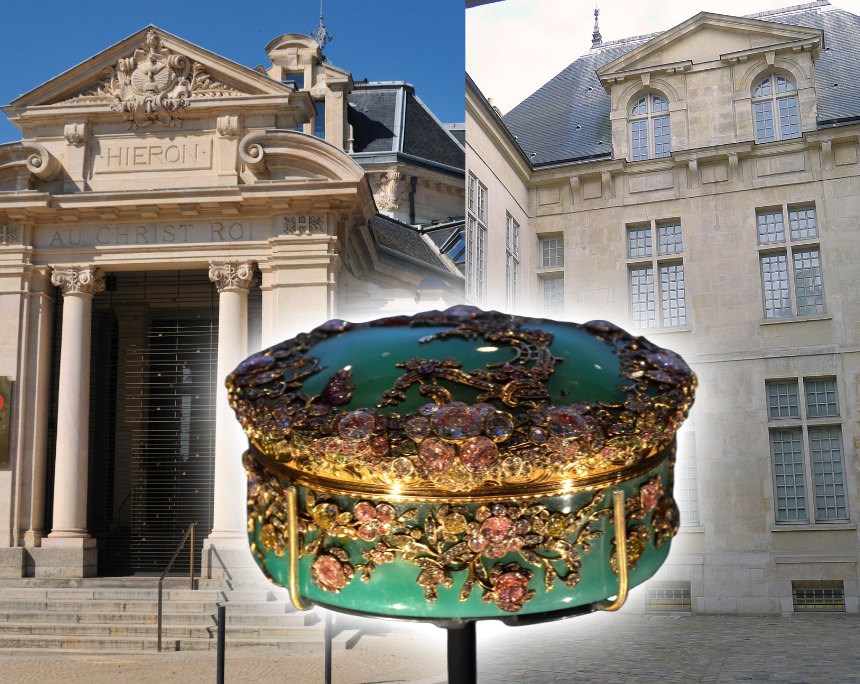
Two Robberies in Two Days – French Museums Targeted by Criminals
Last week, two museums in France were robbed. The museums were helpless in the face of the criminals’ ruthless brutality. Is it even possible to protect our cultural heritage in this day and age?
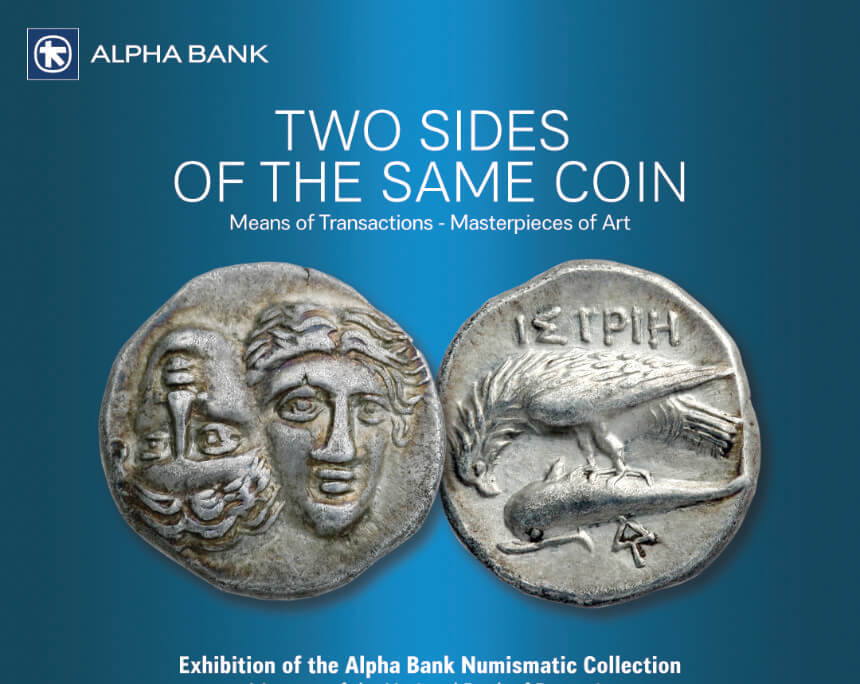
Two Sides of the Same Coin. Means of Transactions – Masterpieces of Art
In a new exhibition at the Museum of the National Bank of Romania in Bucharest, the Alpha Bank Numismatic Collection shows historically and culturally important coins and addresses their role in communication and financial education.
Archive: Coins, Medals and more
 https://new.coinsweekly.com/wp-content/uploads/2023/05/2023KW21HA00.jpg
750
1000
Ursula Kampmann
https://new.coinsweekly.com/wp-content/uploads/2023/01/logo-coinsweekly_590x204.png
Ursula Kampmann2023-05-25 09:00:382023-06-27 11:24:32From Taler to Mark: The Long Road to a Common Currency
https://new.coinsweekly.com/wp-content/uploads/2023/05/2023KW21HA00.jpg
750
1000
Ursula Kampmann
https://new.coinsweekly.com/wp-content/uploads/2023/01/logo-coinsweekly_590x204.png
Ursula Kampmann2023-05-25 09:00:382023-06-27 11:24:32From Taler to Mark: The Long Road to a Common Currency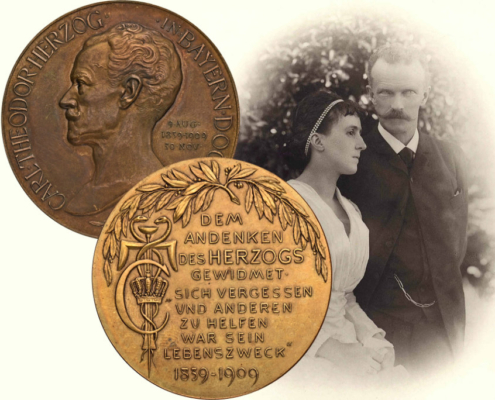 https://new.coinsweekly.com/wp-content/uploads/2024/10/2024KW42HA1_00.jpg
684
860
Lucie Loechel
https://new.coinsweekly.com/wp-content/uploads/2023/01/logo-coinsweekly_590x204.png
Lucie Loechel2024-10-17 10:51:292024-10-17 15:10:28Carl Theodor in Bavaria: The Old Nobility Takes Up a New Role
https://new.coinsweekly.com/wp-content/uploads/2024/10/2024KW42HA1_00.jpg
684
860
Lucie Loechel
https://new.coinsweekly.com/wp-content/uploads/2023/01/logo-coinsweekly_590x204.png
Lucie Loechel2024-10-17 10:51:292024-10-17 15:10:28Carl Theodor in Bavaria: The Old Nobility Takes Up a New Role
New Coin From Slovakia: 80th Anniversary of the Vrba-Wetzler Report
In the summer of 1944, the world became aware of the Holocaust thanks to two young Slovaks: Rudolf Vrba and Alfréd Wetzler. The National Bank of Slovakia honors them with €10 collector coin, produced by the Kremnica Mint. The coin represents many things – bravery, moral courage, responsibility and the power of public opinion.
Daniel Neuberger and the Art of Deception – Exhibition at the Kunsthistorisches Museum
The Kunsthistorisches Museum Vienna is currently showing a special exhibition about Daniel Neuberger. Neuberger (1621–1680) was one of the most important and versatile artists at the imperial court in Vienna, where he worked as a wax sculptor, portraitist, and lapidary for Emperor Ferdinand III and his sons Ferdinand IV and Leopold I. more