







Archive: People and Markets
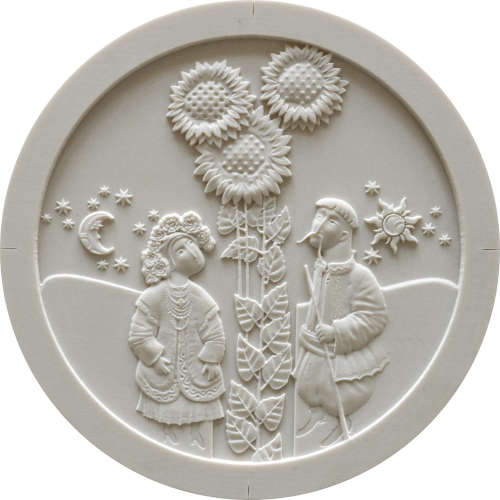
These Are The Winners of the International Coin Design Competition 2022
Japan Mint annually awards the best works received for the International Coin Design Competition. This year the war against Ukraine is topic of the most excellent work.

Solomon Islands New Banknote released in celebration of the XVII Pacific Games
The Central Bank of the Solomon Islands released new $10 commemorative banknotes to commemorate the XVII Pacific Games that the island country will hosting for the first time this year. The new banknote is expected to be widely circulated for use throughout the Solomon Islands.
Archive: Coins, Medals and more
 https://new.coinsweekly.com/wp-content/uploads/2024/06/2024KW24HA_00.jpg
684
860
Ursula Kampmann
https://new.coinsweekly.com/wp-content/uploads/2023/01/logo-coinsweekly_590x204.png
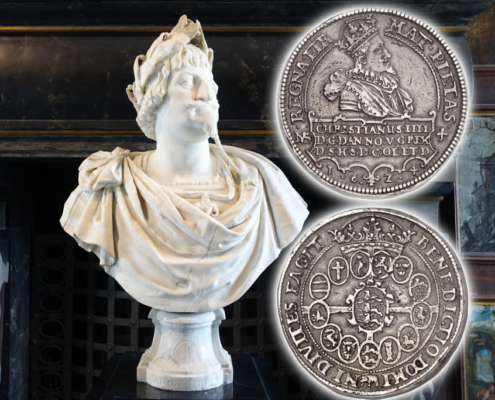
Ursula Kampmann2024-06-13 10:48:452024-06-13 11:10:58400 Years Ago – The Founding of Kongsberg
https://new.coinsweekly.com/wp-content/uploads/2024/06/2024KW24HA_00.jpg
684
860
Ursula Kampmann
https://new.coinsweekly.com/wp-content/uploads/2023/01/logo-coinsweekly_590x204.png
Ursula Kampmann2024-06-13 10:48:452024-06-13 11:10:58400 Years Ago – The Founding of Kongsberg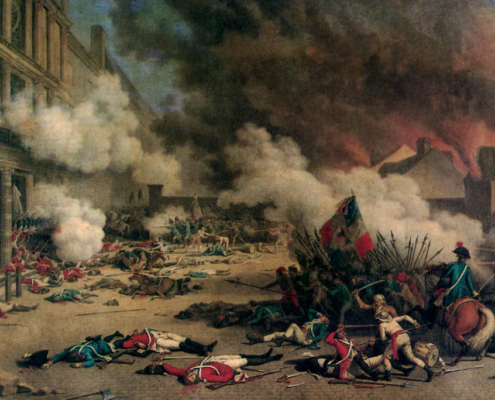 https://new.coinsweekly.com/wp-content/uploads/2023/07/2023KW30HA_00.jpg
684
860
Ursula Kampmann
https://new.coinsweekly.com/wp-content/uploads/2023/01/logo-coinsweekly_590x204.png
Ursula Kampmann2023-07-27 09:11:342023-07-27 09:11:34French History in Coins – Part 1: Kings, Consuls and Emperors
https://new.coinsweekly.com/wp-content/uploads/2023/07/2023KW30HA_00.jpg
684
860
Ursula Kampmann
https://new.coinsweekly.com/wp-content/uploads/2023/01/logo-coinsweekly_590x204.png
Ursula Kampmann2023-07-27 09:11:342023-07-27 09:11:34French History in Coins – Part 1: Kings, Consuls and Emperors
New Director of the Winterthur Coin Cabinet Appointed
Gunnar Dumke will be the new director of Winterthur Coin Cabinet. The ancient historian and archaeologist will succeed Benedikt Zäch, who is retiring after thirty years at this position.
Verdicts in the Dresden Jewel Heist Case
More than three years after the spectacular burglary at Dresden’s Green Vault, the Dresden Regional Court handed down a verdict on 16 May 2023. The return of part of the loot has paid off for the defendants. But many questions are still open.