






Archive: People and Markets
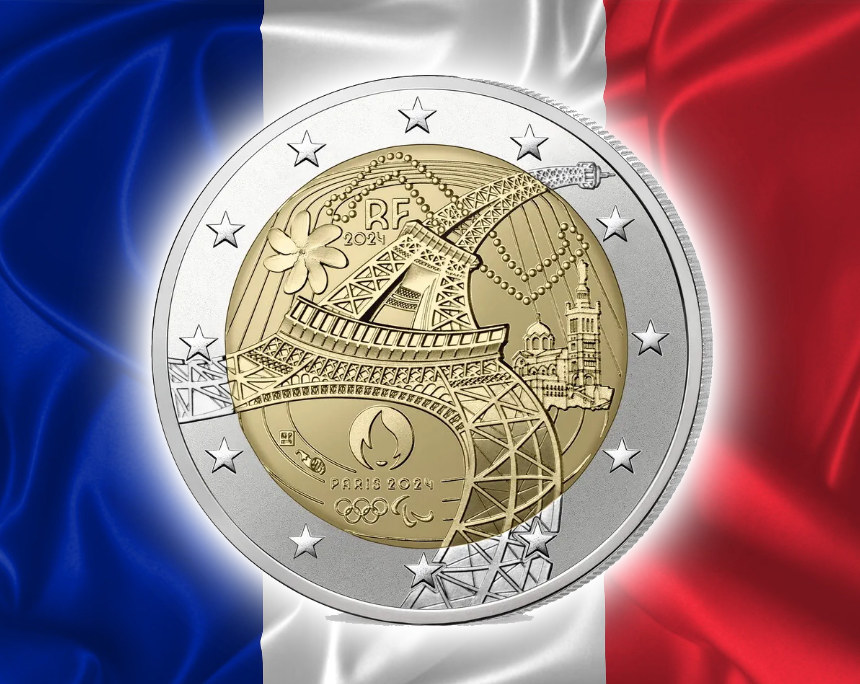
Monnaie de Paris Faces Criticism from Enthusiastic Collectors
As athletes around the world prepare to deliver top performances at the Olympic Games, the Monnaie de Paris – France’s prestigious mint – has disqualified itself in the eyes of many collectors for unsporting behaviour. What happened?

Rich and Poor in Early Tudor England
The Met Cloisters takes you into a merchant’s house in 16th-century England. Why did a rich man exhibit images of the poor? Intriguing objects tell us about tastes and self-expression. And you can expect coins to be there too!
Archive: Coins, Medals and more
 https://new.coinsweekly.com/wp-content/uploads/2023/06/00_Value_of_coins.jpg
750
1000
Bruno
https://new.coinsweekly.com/wp-content/uploads/2023/01/logo-coinsweekly_590x204.png
Bruno2022-06-13 10:56:082023-06-27 11:29:37Planchet Error, Overstrike, Double-Strike, Etc.: Which Errors Affect the Price of a Coin? – Part 1
https://new.coinsweekly.com/wp-content/uploads/2023/06/00_Value_of_coins.jpg
750
1000
Bruno
https://new.coinsweekly.com/wp-content/uploads/2023/01/logo-coinsweekly_590x204.png
Bruno2022-06-13 10:56:082023-06-27 11:29:37Planchet Error, Overstrike, Double-Strike, Etc.: Which Errors Affect the Price of a Coin? – Part 1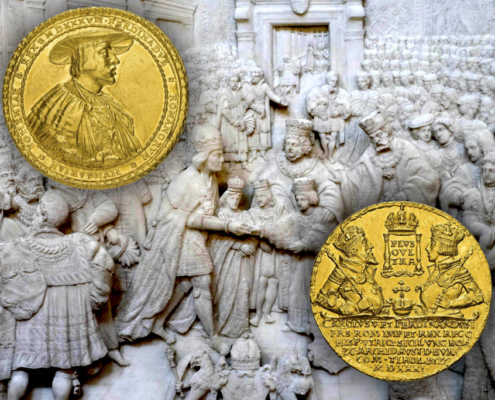 https://new.coinsweekly.com/wp-content/uploads/2024/04/2024KW16HA_00.jpg
684
860
Ursula Kampmann
https://new.coinsweekly.com/wp-content/uploads/2023/01/logo-coinsweekly_590x204.png
Ursula Kampmann2024-04-18 10:26:522024-04-18 10:26:52The Turks, the Bohemian Estates and Two Gnadenpfennigs by Ferdinand I
https://new.coinsweekly.com/wp-content/uploads/2024/04/2024KW16HA_00.jpg
684
860
Ursula Kampmann
https://new.coinsweekly.com/wp-content/uploads/2023/01/logo-coinsweekly_590x204.png
Ursula Kampmann2024-04-18 10:26:522024-04-18 10:26:52The Turks, the Bohemian Estates and Two Gnadenpfennigs by Ferdinand I
The Perth Mint Celebrates with Cake for 125th Birthday – and a Special Sovereign Coin
On June 20th, The Perth Mint celebrated the significant milestone of 125 years of operation as a gold refiner and producer of high-quality precious metal coins.
Sofia Numismatic School 2023
The Sofia Numismatic School 2023 discusses ancient numismatics. A focus will be on the implementation of innovative digital methodology and the concept of Digital Numismatics. Graduate and postgraduate students can still apply!