











Archive: People and Markets
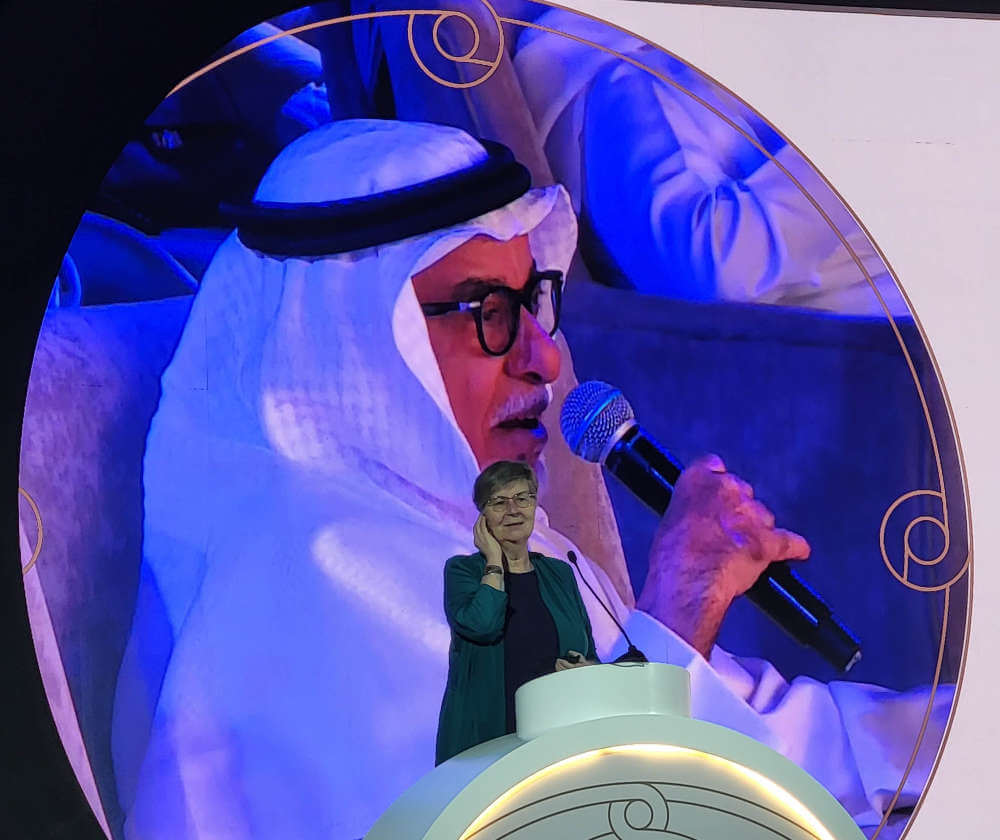
International Conference on Islamic Numismatics
From 18 to 20 May 2023, the ICIN – the International Conference on Islamic Numismatics – took place in Riyadh, Saudi-Arabia. A complete success! Never before have so many specialists on Islamic numismatics gathered in one place. Ursula Kampmann was there.

Access to Cash Becoming More Difficult: Bundesbank Sees Growing Challenges
Despite declining numbers of ATMs and bank branches, the Bundesbank currently still considers access to cash in Germany to be secure. However, in its March 2025 monthly report, it warns of clear downward trends.
Archive: Coins, Medals and more
 https://new.coinsweekly.com/wp-content/uploads/2023/06/2023KW23HA00.jpg
500
1000
Bruno
https://new.coinsweekly.com/wp-content/uploads/2023/01/logo-coinsweekly_590x204.png
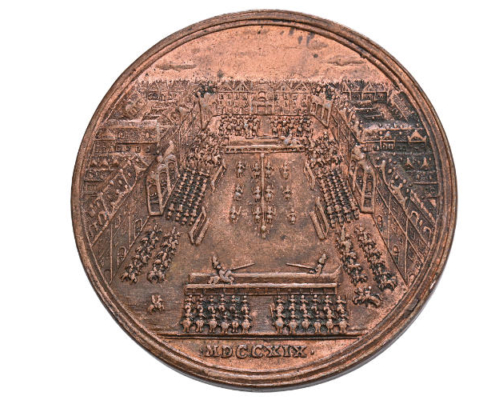
Bruno2023-06-07 10:29:512023-06-27 11:22:29The Wedding of a Century in Saxony
https://new.coinsweekly.com/wp-content/uploads/2023/06/2023KW23HA00.jpg
500
1000
Bruno
https://new.coinsweekly.com/wp-content/uploads/2023/01/logo-coinsweekly_590x204.png
Bruno2023-06-07 10:29:512023-06-27 11:22:29The Wedding of a Century in Saxony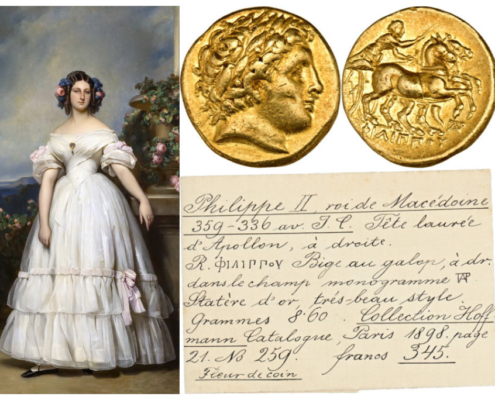 https://new.coinsweekly.com/wp-content/uploads/2024/10/2024KW43HA_00.jpg
684
860
Lucie Loechel
https://new.coinsweekly.com/wp-content/uploads/2023/01/logo-coinsweekly_590x204.png
Lucie Loechel2024-10-24 10:15:002024-10-24 13:59:31Clémentine d’Orléans: Extraordinary Woman and Coin Collector
https://new.coinsweekly.com/wp-content/uploads/2024/10/2024KW43HA_00.jpg
684
860
Lucie Loechel
https://new.coinsweekly.com/wp-content/uploads/2023/01/logo-coinsweekly_590x204.png
Lucie Loechel2024-10-24 10:15:002024-10-24 13:59:31Clémentine d’Orléans: Extraordinary Woman and Coin Collector
Highly Rare in Circulation: 2-Euro Commemorative Coins from San Marino
San Marino’s circulation coins are rare – even in the small Republic itself. And San Marino also issued just a few 2-euro commemorative coins. A real challenge for collectors. Fortunately, numiscontrol has some tips.
Theft at the Stockholm Royal Coin Cabinet
An audit at the Royal Coin Cabinet in Stockholm showed that a transferred 2.6 million euros worth of objects are missing. Now a former employee has to answer for theft.