







Archive: People and Markets
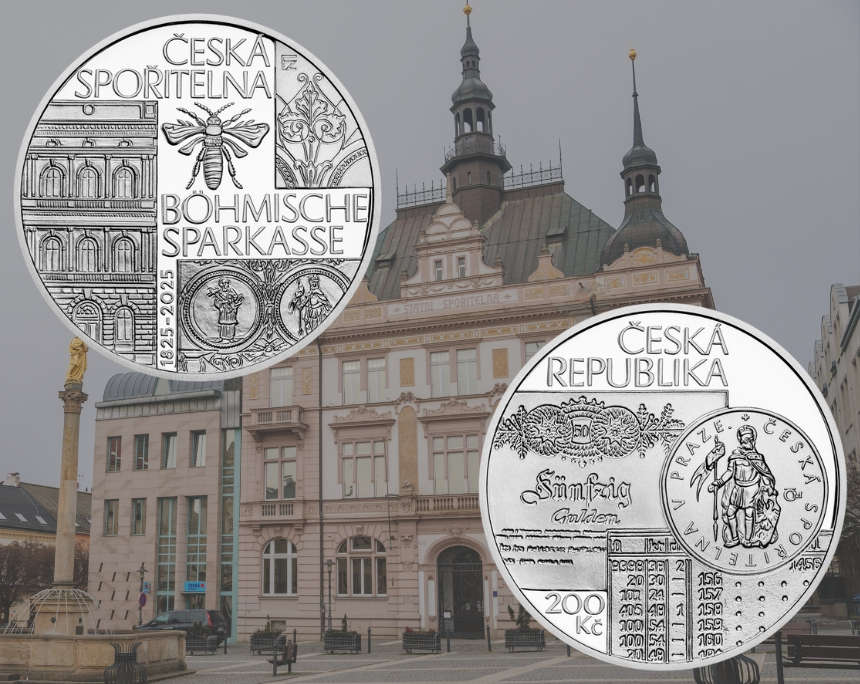
200 Years of the Bohemian Savings Bank: A Piece of Monetary History in Coin Form
In 2025, the Czech National Bank will issue a silver commemorative coin with a nominal value of 200 koruna. The coin marks the founding of the Bohemian Savings Bank.

Friedrich Popken (1940-2024)
On 27 July 2024, Friedrich Popken passed away at the age of 84. As well as being a well-known entrepreneur, he was also a highly esteemed coin collector who supported and promoted many numismatic projects. An obituary by Fritz Rudolf Künker.
Archive: Coins, Medals and more
 https://new.coinsweekly.com/wp-content/uploads/2025/04/2025KW16HA02_00.jpg
684
860
Lucie Loechel
https://new.coinsweekly.com/wp-content/uploads/2023/01/logo-coinsweekly_590x204.png
Lucie Loechel2025-04-17 08:30:092025-04-17 10:43:15Berlin and South Africa – A Time-Honoured Connection
https://new.coinsweekly.com/wp-content/uploads/2025/04/2025KW16HA02_00.jpg
684
860
Lucie Loechel
https://new.coinsweekly.com/wp-content/uploads/2023/01/logo-coinsweekly_590x204.png
Lucie Loechel2025-04-17 08:30:092025-04-17 10:43:15Berlin and South Africa – A Time-Honoured Connection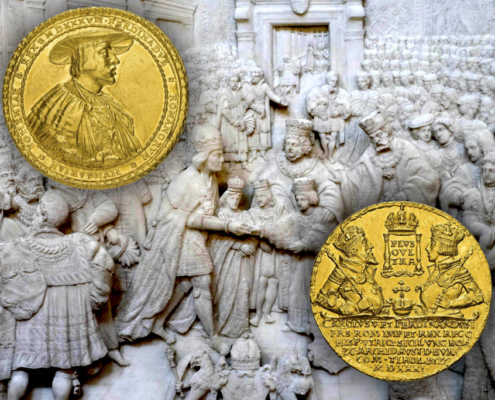 https://new.coinsweekly.com/wp-content/uploads/2024/04/2024KW16HA_00.jpg
684
860
Ursula Kampmann
https://new.coinsweekly.com/wp-content/uploads/2023/01/logo-coinsweekly_590x204.png
Ursula Kampmann2024-04-18 10:26:522024-04-18 10:26:52The Turks, the Bohemian Estates and Two Gnadenpfennigs by Ferdinand I
https://new.coinsweekly.com/wp-content/uploads/2024/04/2024KW16HA_00.jpg
684
860
Ursula Kampmann
https://new.coinsweekly.com/wp-content/uploads/2023/01/logo-coinsweekly_590x204.png
Ursula Kampmann2024-04-18 10:26:522024-04-18 10:26:52The Turks, the Bohemian Estates and Two Gnadenpfennigs by Ferdinand I
Coin of the Year: Surprising Picks and Standout Themes from the Oscars of Numismatics
Every year, collectors around the world eagerly await the nominations for the Coin of the Year (COTY) Award, which honors the most outstanding coin issues from across the globe.
Legal Statement Issued on Italy’s Import Requirements for Coins
Italy requires such extensive documentation for the import of coins that many dealers prefer to avoid the country. But now, the Ministry of Culture in Rome has issued a legal statement that deserves some attention.