







Archive: People and Markets
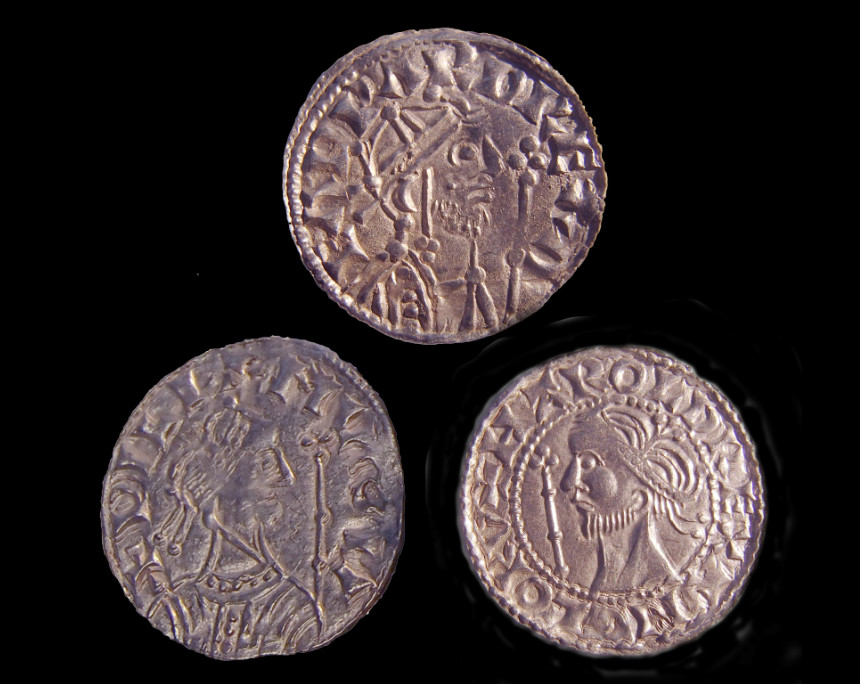
The UK’s Highest Value Treasure Find Ever Discovered
All a group of friends really wanted to do was enjoy a relaxing weekend away and try out a new metal detector. The unexpected result of this trip is the highest value treasure find ever discovered in Great Britain. The coins will soon be on display at the British Museum.
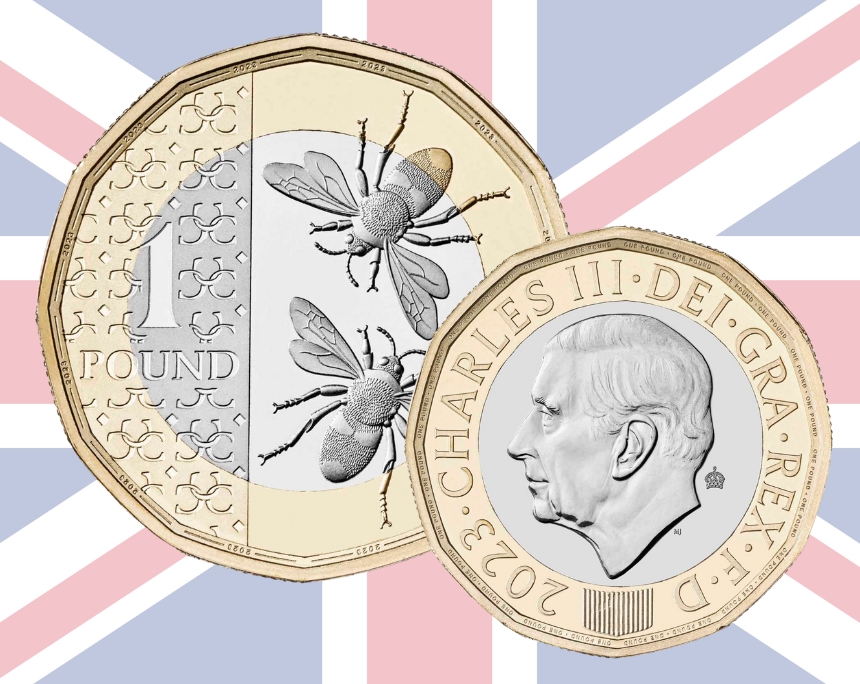
A King in Your Wallet: Pound Coins Featuring Charles III Enter Circulation
Almost two years after the death of Queen Elizabeth II, her successor, King Charles III, is gradually arriving in the wallets of the British – and new faces will also be appearing in change in Denmark and Luxembourg.
Archive: Coins, Medals and more
 https://new.coinsweekly.com/wp-content/uploads/2023/08/2023KW35HA_00.jpg
684
860
Ursula Kampmann
https://new.coinsweekly.com/wp-content/uploads/2023/01/logo-coinsweekly_590x204.png
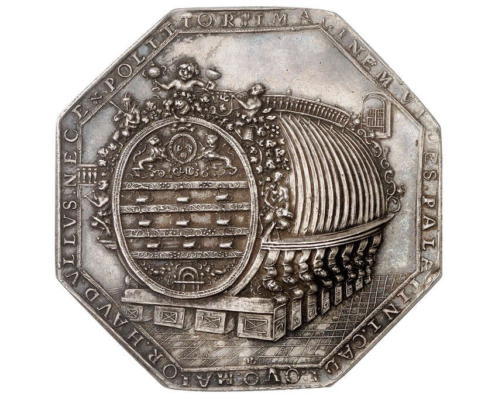
Ursula Kampmann2023-08-31 08:53:232023-08-31 11:47:37The Heidelberg Tun and Early Modern Winemaking
https://new.coinsweekly.com/wp-content/uploads/2023/08/2023KW35HA_00.jpg
684
860
Ursula Kampmann
https://new.coinsweekly.com/wp-content/uploads/2023/01/logo-coinsweekly_590x204.png
Ursula Kampmann2023-08-31 08:53:232023-08-31 11:47:37The Heidelberg Tun and Early Modern Winemaking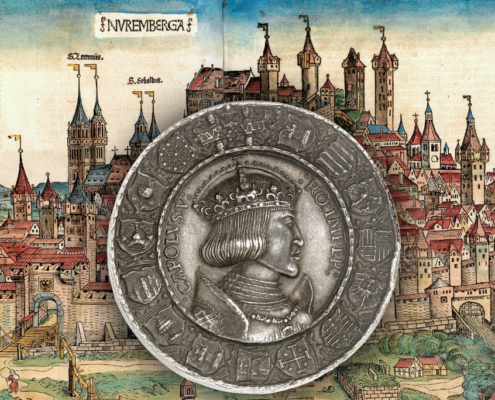 https://new.coinsweekly.com/wp-content/uploads/2024/12/2024KW51HA_00.jpg
684
860
Lucie Loechel
https://new.coinsweekly.com/wp-content/uploads/2023/01/logo-coinsweekly_590x204.png
Lucie Loechel2024-12-19 10:10:262024-12-19 12:59:54A Medal Made by Dürer as the Official Gift of the City of Nuremberg for Charles V
https://new.coinsweekly.com/wp-content/uploads/2024/12/2024KW51HA_00.jpg
684
860
Lucie Loechel
https://new.coinsweekly.com/wp-content/uploads/2023/01/logo-coinsweekly_590x204.png
Lucie Loechel2024-12-19 10:10:262024-12-19 12:59:54A Medal Made by Dürer as the Official Gift of the City of Nuremberg for Charles V
Eisleben, Germany: Church Treasure Recovered After Almost 400 Years
What a find: last year, a hoard of 864 coins was discovered in a sandstone figure in a church in Eisleben, Germany. The coins were hidden there during the Thirty Years’ War and provide a rare insight into the currency in circulation at that time. A coin expert from the region tells us more about it.
Decline in Print Business: MDM Announces Job Cuts
The Münzhandelsgesellschaft in Brunswick reports a decline in sales and plans to reorganise its sales and develop new products.