






Archive: People and Markets
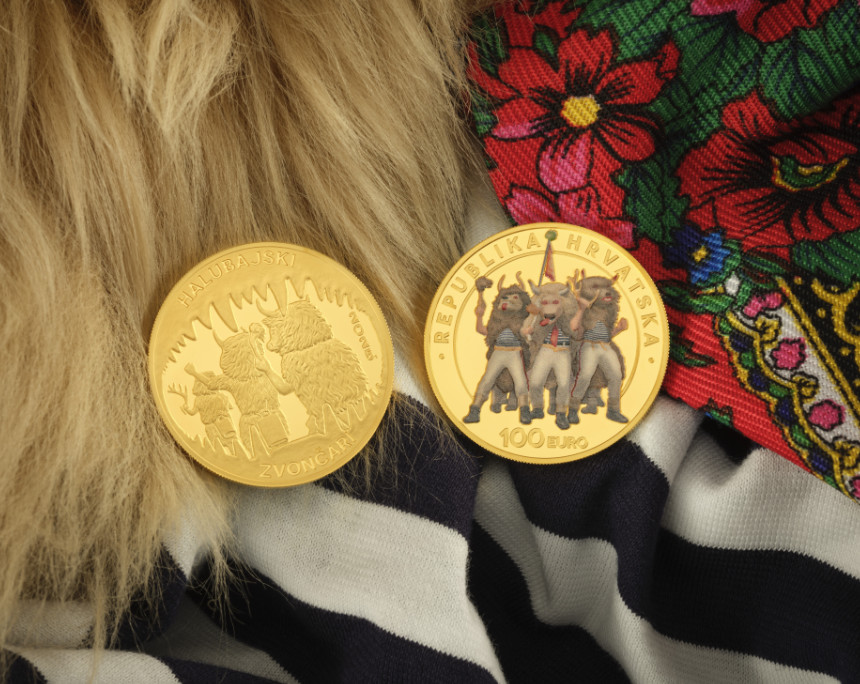
New Issues From Croatia: Halubje Bell Ringers to Chase Away the Winter
Croatia has a unique carnival tradition. Masked figures chase away the winter with their large bells. These bell ringers have been on the UNESCO Intangible Cultural Heritage List since 2009. The Croatian Mint dedicates three commemorative coins to them, issued on 18 February 2025.
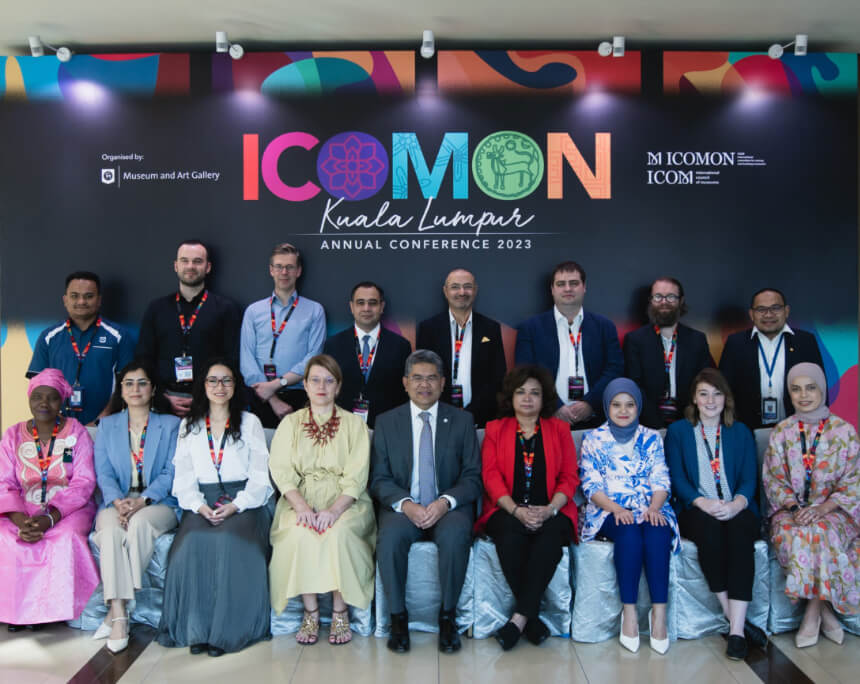
Report of the ICOMON 29th Annual Conference in Kuala Lumpur
The 2023 ICOMON conference was held in Malaysia. Read here about the program, the topics presented and discussed, and where you can watch the presentations online.
Archive: Coins, Medals and more
 https://new.coinsweekly.com/wp-content/uploads/2024/07/2024KW30HA_00.jpg
684
860
Sebastian Wieschowski
https://new.coinsweekly.com/wp-content/uploads/2023/01/logo-coinsweekly_590x204.png
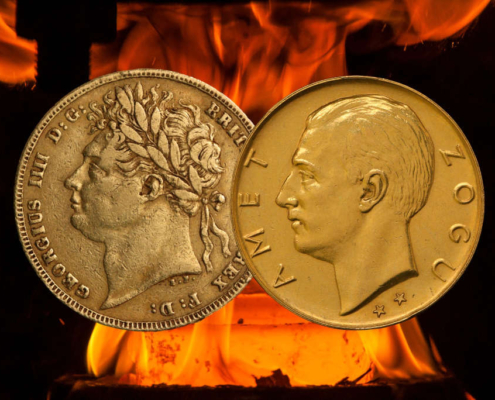
Sebastian Wieschowski2024-07-25 09:00:162024-07-25 09:26:11Gold at Record Highs: Melt Down or Preserve Historic Gold Coins?
https://new.coinsweekly.com/wp-content/uploads/2024/07/2024KW30HA_00.jpg
684
860
Sebastian Wieschowski
https://new.coinsweekly.com/wp-content/uploads/2023/01/logo-coinsweekly_590x204.png
Sebastian Wieschowski2024-07-25 09:00:162024-07-25 09:26:11Gold at Record Highs: Melt Down or Preserve Historic Gold Coins?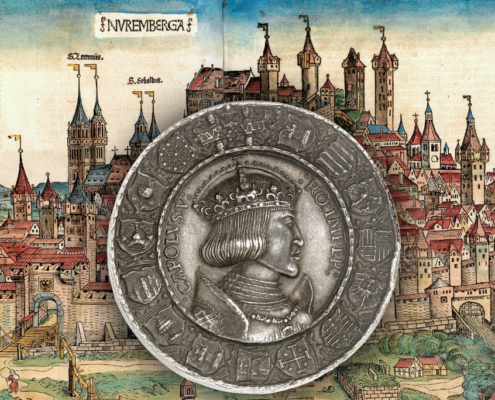 https://new.coinsweekly.com/wp-content/uploads/2024/12/2024KW51HA_00.jpg
684
860
Lucie Loechel
https://new.coinsweekly.com/wp-content/uploads/2023/01/logo-coinsweekly_590x204.png
Lucie Loechel2024-12-19 10:10:262024-12-19 12:59:54A Medal Made by Dürer as the Official Gift of the City of Nuremberg for Charles V
https://new.coinsweekly.com/wp-content/uploads/2024/12/2024KW51HA_00.jpg
684
860
Lucie Loechel
https://new.coinsweekly.com/wp-content/uploads/2023/01/logo-coinsweekly_590x204.png
Lucie Loechel2024-12-19 10:10:262024-12-19 12:59:54A Medal Made by Dürer as the Official Gift of the City of Nuremberg for Charles V
On Our Own Account: CoinsWeekly Takes a Moment to Reflect
CoinsWeekly will be taking a break from July 4 to September 15, 2025, to perfect and implement its new concept. Look forward to opinionated commentary and in-depth numismatic information, when CoinsWeekly is back again after September 15!
Vatican Plans a Comeback: New Online Shop Launches in July
This move has nothing to do with the inauguration of Pope Leo XIV but has been in preparation for months: Starting in July 2025, the Vatican will resume sales of its philatelic and numismatic products.