








Archive: People and Markets
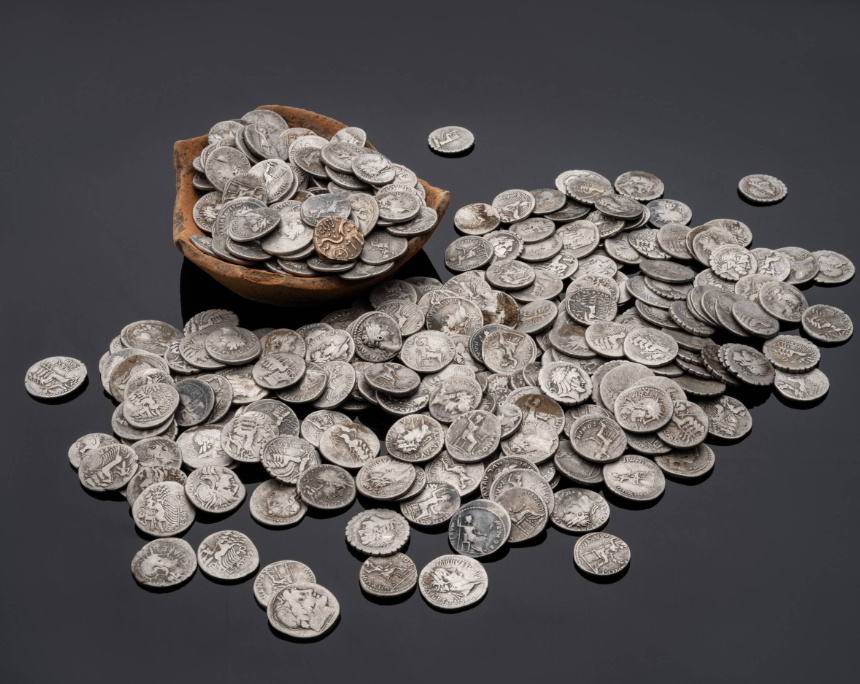
A Coin Hoard from the Time of the Roman Conquest of Britain
The newly discovered Worcestershire Conquest Hoard is the largest hoard from the reign of Nero ever discovered in Britain. Worcestershire Heritage, Art & Museums has launched a fundraising campaign to acquire the 1,368 Iron Age and Roman coins for the county.
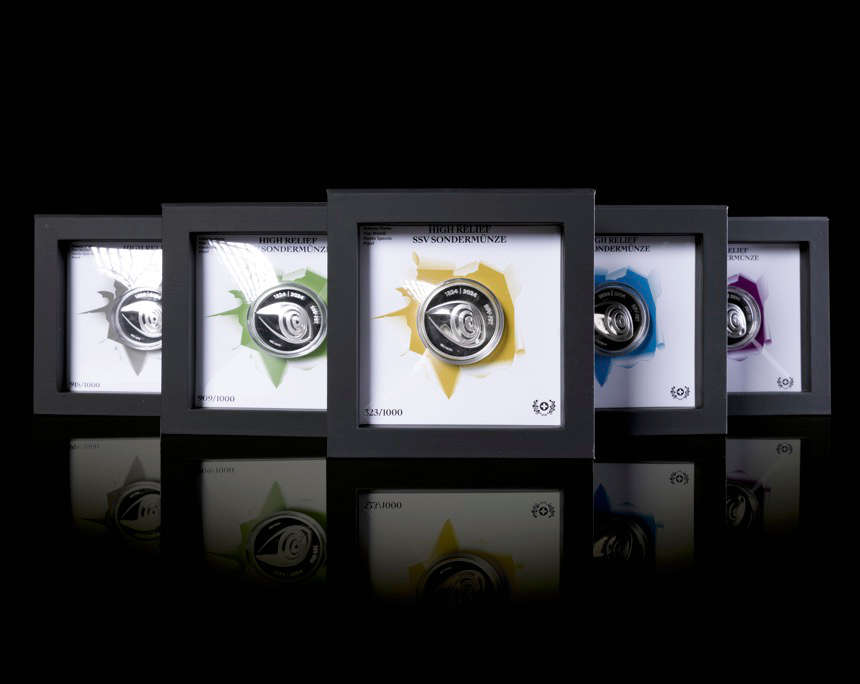
Exclusive High Relief Coin by Swissmint
In cooperation with CIT Coin Invest, Swissmint offered a special coin with smartminting high relief for the Zurich International Coin Fair.
Archive: Coins, Medals and more
 https://new.coinsweekly.com/wp-content/uploads/2025/06/00-5.jpg
684
860
Lucie Loechel
https://new.coinsweekly.com/wp-content/uploads/2023/01/logo-coinsweekly_590x204.png
Lucie Loechel2025-06-05 08:00:262025-06-05 08:29:19Farewell to the Penny: (No) Impact on Numismatics?
https://new.coinsweekly.com/wp-content/uploads/2025/06/00-5.jpg
684
860
Lucie Loechel
https://new.coinsweekly.com/wp-content/uploads/2023/01/logo-coinsweekly_590x204.png
Lucie Loechel2025-06-05 08:00:262025-06-05 08:29:19Farewell to the Penny: (No) Impact on Numismatics?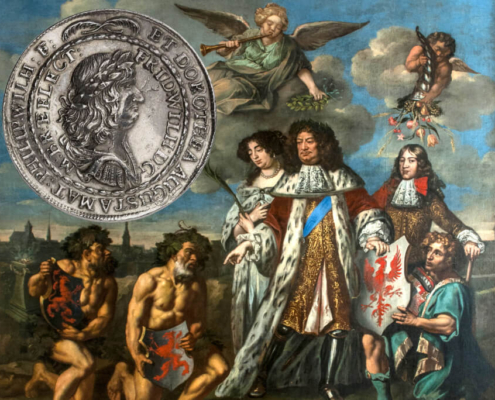 https://new.coinsweekly.com/wp-content/uploads/2023/12/2023KW51HA_00.jpg
684
860
Ursula Kampmann
https://new.coinsweekly.com/wp-content/uploads/2023/01/logo-coinsweekly_590x204.png
Ursula Kampmann2023-12-21 09:39:422023-12-21 09:51:29The Great Elector, Taxes and the Rise of Prussia
https://new.coinsweekly.com/wp-content/uploads/2023/12/2023KW51HA_00.jpg
684
860
Ursula Kampmann
https://new.coinsweekly.com/wp-content/uploads/2023/01/logo-coinsweekly_590x204.png
Ursula Kampmann2023-12-21 09:39:422023-12-21 09:51:29The Great Elector, Taxes and the Rise of Prussia
The First Ultra High Relief Coin with Partial Gilding of the Croatian Mint
On 24 January 2024, two “Trsat Dragon” collector coins were released. A new issue featuring the same motif has been added to the successful series on 14 November: the Croatian Mint presents its first coin with ultra high relief and with partial gilding.
After 100 Years: The Bruun Collection Comes Under the Hammer
The Bruun Collection has been held by Denmark’s National Museum in Copenhagen for 100 years. Now Stack’s Bowers Galleries has been commissioned with the sale of the collection, which Stacks refers to as “the most valuable collection of World Coins to ever come to market”.