








Archive: People and Markets
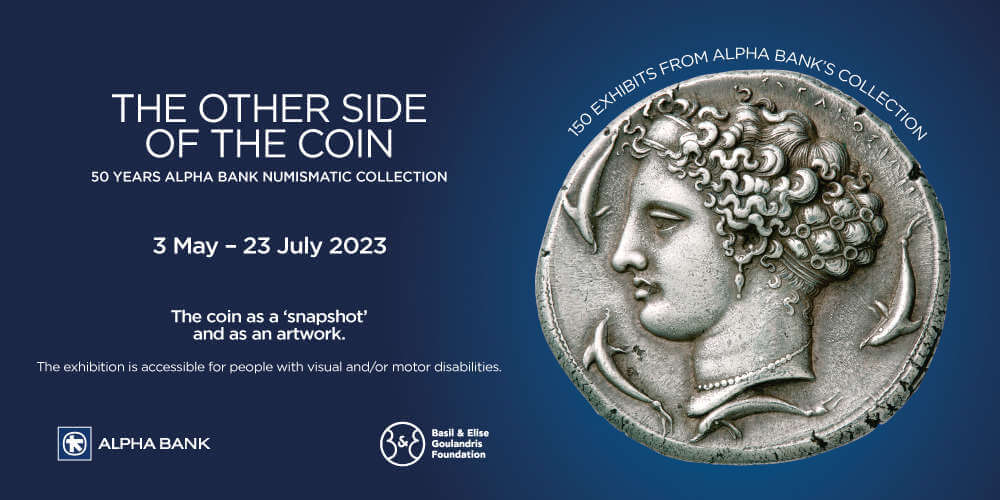
50 Years of Alpha Bank Numismatic Collection: “The Other Side of the Coin”
50 years ago the Alpha Bank Numismatic Collection was created. Now, an anniversary exhibition in Athens presents 150 coins from the collection illustrating “The Other Side of the Coin”: coins as means of communication and objects of art.
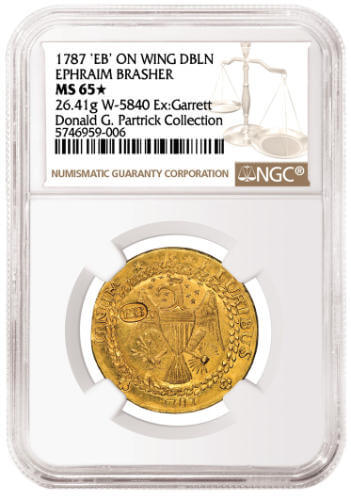
The Certified Collectibles Group: More than Coins and Comic Books
In 2021, the Certified Collectibles Group surprised the numismatic community by announcing that the Blackstone investment firm would become a majority shareholder. This raised the question of what this might mean for the coin market. Ursula Kampmann was in Sarasota to visit the new Certified Collectibles Group.
Archive: Coins, Medals and more
 https://new.coinsweekly.com/wp-content/uploads/2023/06/CoCo04_04-1.jpg
750
1000
Ursula Kampmann
https://new.coinsweekly.com/wp-content/uploads/2023/01/logo-coinsweekly_590x204.png
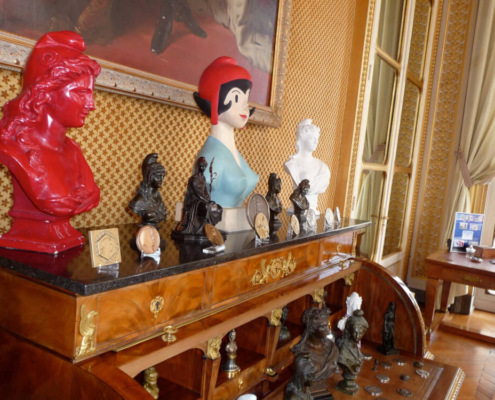
Ursula Kampmann2022-06-13 10:25:572023-06-27 10:30:06The French Marianne I: Marianne as a Representative of the French People – Part 1
https://new.coinsweekly.com/wp-content/uploads/2023/06/CoCo04_04-1.jpg
750
1000
Ursula Kampmann
https://new.coinsweekly.com/wp-content/uploads/2023/01/logo-coinsweekly_590x204.png
Ursula Kampmann2022-06-13 10:25:572023-06-27 10:30:06The French Marianne I: Marianne as a Representative of the French People – Part 1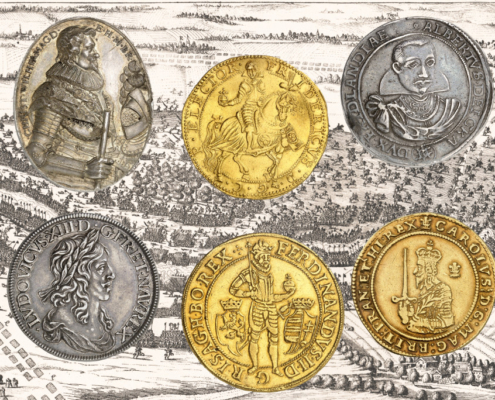 https://new.coinsweekly.com/wp-content/uploads/2024/09/2024KW37HA_00.jpg
684
860
Ursula Kampmann
https://new.coinsweekly.com/wp-content/uploads/2023/01/logo-coinsweekly_590x204.png
Ursula Kampmann2024-09-12 10:23:452024-09-12 10:23:45The Protagonists of the Thirty Years’ War: A Slightly Different Preview of Künker’s Auction 410
https://new.coinsweekly.com/wp-content/uploads/2024/09/2024KW37HA_00.jpg
684
860
Ursula Kampmann
https://new.coinsweekly.com/wp-content/uploads/2023/01/logo-coinsweekly_590x204.png
Ursula Kampmann2024-09-12 10:23:452024-09-12 10:23:45The Protagonists of the Thirty Years’ War: A Slightly Different Preview of Künker’s Auction 410
Stack’s Bowers Galleries Opening New Office in Copenhagen
Stack’s Bowers Galleries have opened their newest office in the heart of Copenhagen, Denmark. The team consists of the experienced numismatists Michael Fornitz, Henrik Berndt and Peter Bjørnstrup.
Minerva Magazine Ceased Publishing
The archaeological journal Minerva, founded in 1990, will discontinue its service with its last issue in July/August 2023. The reason for this, it says, are the lingering effects of the pandemic and increased costs. The last issue can be downloaded for free.