











Archive: People and Markets
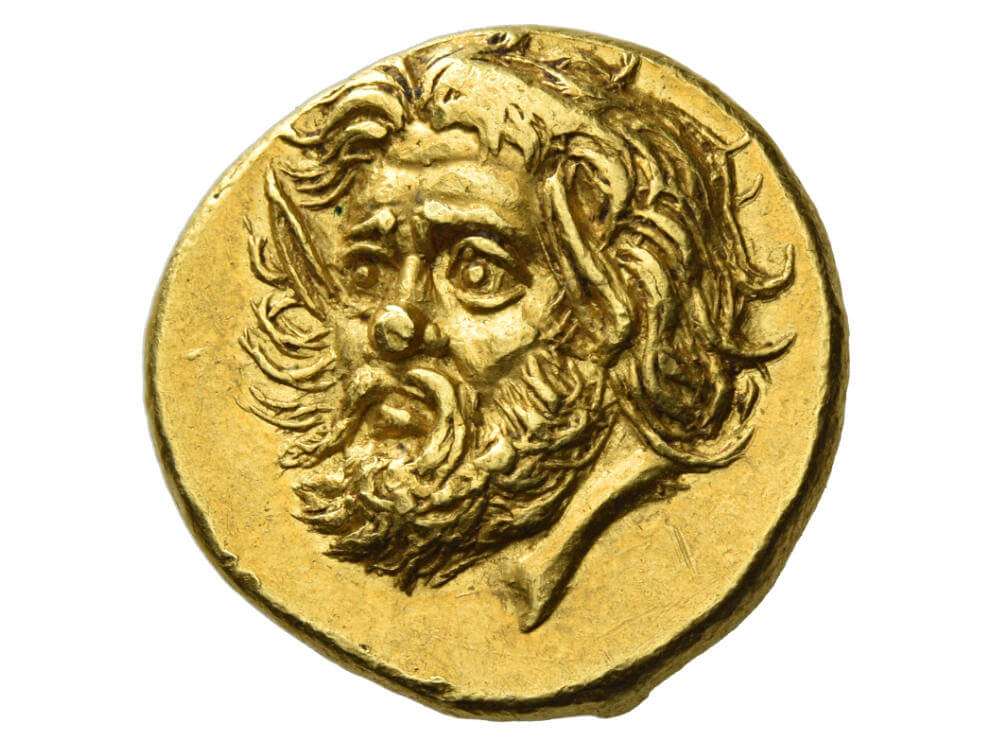
Panticapaeum Stater Most Expensive Ancient Coin
A gold stater from the city of Panticapaeum is currently the most expensive ancient coin ever sold at auction. In May 2023, it was sold by Numismatica Ars Classica in Switzerland for the record sum of 5,390,000 CHF or ca. $6 million.
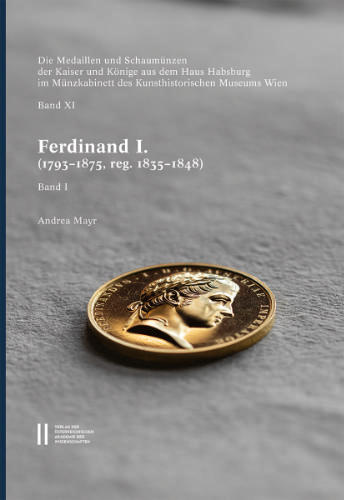
The Medals and Representative Coins of Emperor Ferdinand I
Andrea Mayr has presented another part of the collection of the Kunsthistorisches Museum in Vienna. In 2023, her two-volume work on the medals and representative coins of Ferdinand I was published. It is much more than a usual catalogue. Ursula Kampmann took a look at it.
Archive: Coins, Medals and more
 https://new.coinsweekly.com/wp-content/uploads/2025/04/2025KW16HA03_00.jpg
684
860
Lucie Loechel
https://new.coinsweekly.com/wp-content/uploads/2023/01/logo-coinsweekly_590x204.png
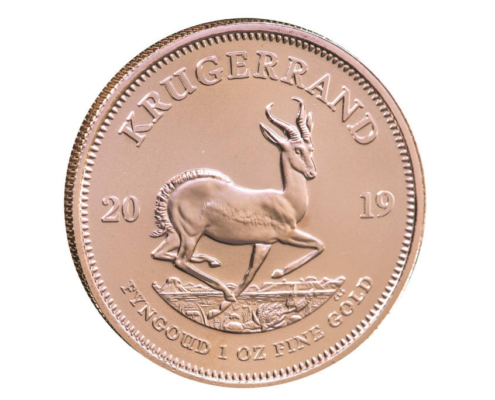
Lucie Loechel2025-04-17 08:26:292025-04-17 11:49:37The Birth of the Krugerrand
https://new.coinsweekly.com/wp-content/uploads/2025/04/2025KW16HA03_00.jpg
684
860
Lucie Loechel
https://new.coinsweekly.com/wp-content/uploads/2023/01/logo-coinsweekly_590x204.png
Lucie Loechel2025-04-17 08:26:292025-04-17 11:49:37The Birth of the Krugerrand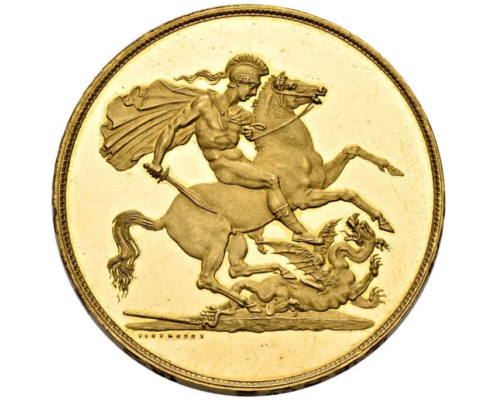 https://new.coinsweekly.com/wp-content/uploads/2023/05/00HASinconaProbe1820.jpg
684
860
Ursula Kampmann
https://new.coinsweekly.com/wp-content/uploads/2023/01/logo-coinsweekly_590x204.png
Ursula Kampmann2023-05-11 09:04:372023-05-12 13:41:02As the King Lay Dying… – The Most Spectacular British Gold Coin of the Modern Era
https://new.coinsweekly.com/wp-content/uploads/2023/05/00HASinconaProbe1820.jpg
684
860
Ursula Kampmann
https://new.coinsweekly.com/wp-content/uploads/2023/01/logo-coinsweekly_590x204.png
Ursula Kampmann2023-05-11 09:04:372023-05-12 13:41:02As the King Lay Dying… – The Most Spectacular British Gold Coin of the Modern Era
Tradition Meets Craftsmanship: Coin Minting as a Highlight of the Garden Show
When the Garden Show in Freudenstadt and Baiersbronn opens its doors in May, visitors can look forward to a special experience: a historical minting station, where they can create their own commemorative medals by hand.
Will the Online Platform “Discord” Become the Coin Club of the Future?
Young collectors are embracing technology from the world of computer games to pursue their hobby. Thousands of coin enthusiasts discuss, trade and compete on gaming servers – and from time to time they meet in European capitals to hunt for rarities.