






Archive: People and Markets
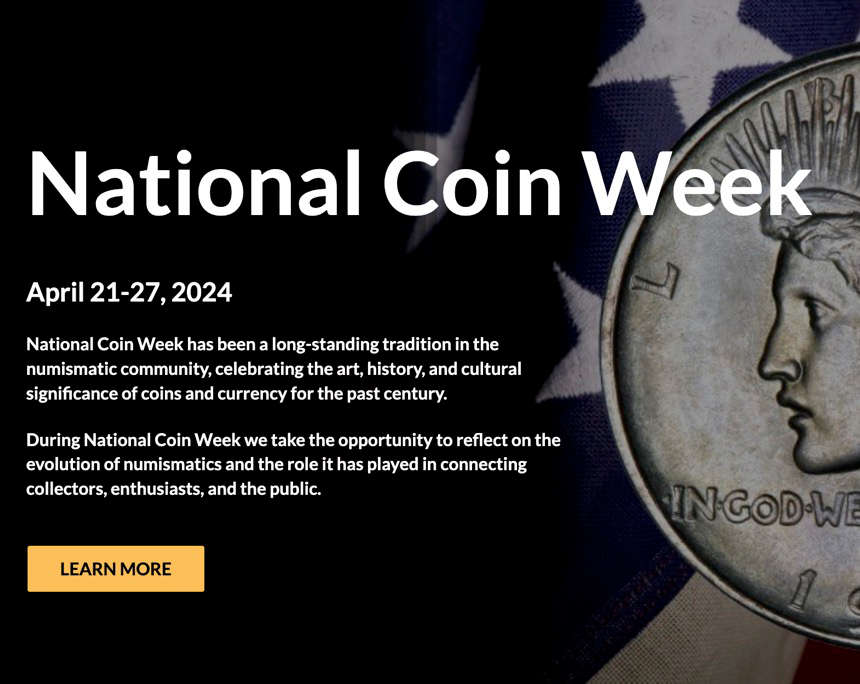
National Coin Week: Spotlight on Numismatics
The American Numismatic Association (ANA) has been organising a national week of events in honour of numismatics since 1924. The ANA presents the entire spectrum of coin collecting with playful missions for children and specialist lectures from the world of science.

Next Week, It’s Time for the Coin Conference 2024!
From 28 to 30 October, the central banks and mints will meet in Lisbon to discuss the challenges the coin sector faces today. Ursula Kampmann will also be there. She’s responsible for a workshop on “Commemorative Coins for an International and a Domestic Market.”
Archive: Coins, Medals and more
 https://new.coinsweekly.com/wp-content/uploads/2023/12/2023KW50HA_00B.jpg
684
860
Ursula Kampmann
https://new.coinsweekly.com/wp-content/uploads/2023/01/logo-coinsweekly_590x204.png
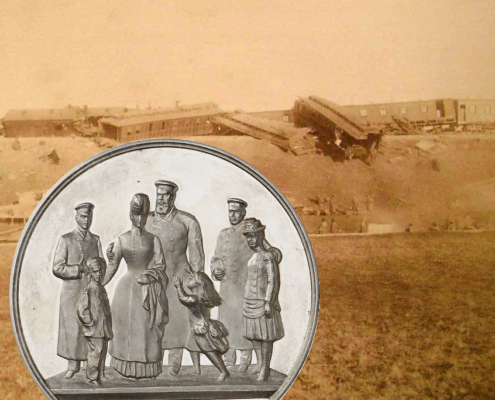
Ursula Kampmann2023-12-14 10:41:562023-12-14 10:41:56The Borki Train Disaster
https://new.coinsweekly.com/wp-content/uploads/2023/12/2023KW50HA_00B.jpg
684
860
Ursula Kampmann
https://new.coinsweekly.com/wp-content/uploads/2023/01/logo-coinsweekly_590x204.png
Ursula Kampmann2023-12-14 10:41:562023-12-14 10:41:56The Borki Train Disaster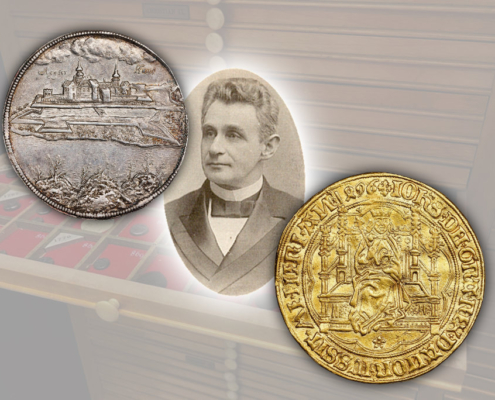 https://new.coinsweekly.com/wp-content/uploads/2024/07/2024KW27HA_00.jpg
684
860
Ursula Kampmann
https://new.coinsweekly.com/wp-content/uploads/2023/01/logo-coinsweekly_590x204.png
Ursula Kampmann2024-07-04 10:28:022024-07-04 15:03:20Highlights from the Bruun Collection
https://new.coinsweekly.com/wp-content/uploads/2024/07/2024KW27HA_00.jpg
684
860
Ursula Kampmann
https://new.coinsweekly.com/wp-content/uploads/2023/01/logo-coinsweekly_590x204.png
Ursula Kampmann2024-07-04 10:28:022024-07-04 15:03:20Highlights from the Bruun Collection
PMG Now Grading Banknotes Year-round in Munich
The introduction of full-time PMG grading services in Munich, initially available for the Bulk and Modern tiers, marks a new expansion of the company’s services for the paper money collecting community in Europe.
Coin Hoard Gives Fascinating Insight Into Life Before the Glencoe Massacre
Hidden underneath a stone fireplace of a house in Glencoe, Scotland, a pot with silver coins was recently discovered. They were minted in the years shortly before the infamous Glencoe massacre of 1692. Was the person who buried these coins among the victims of the treacherous clan slaughter in the Highlands?