








Archive: People and Markets
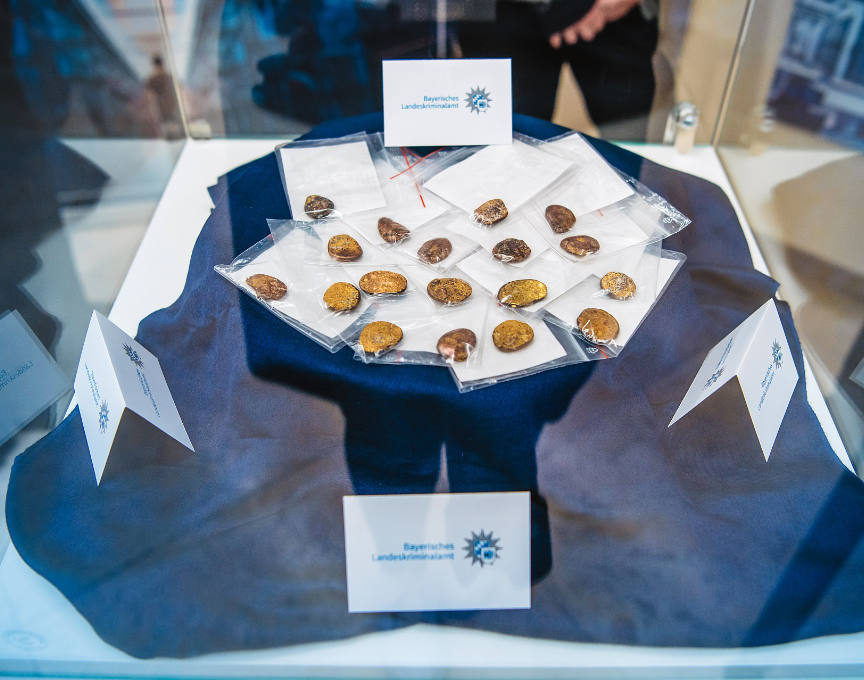
Further Investigations into the Stolen Celtic Coin Hoard
Following police success in the case of the stolen Celtic gold hoard, the authorities have made additional details public. It appears that the perpetrators were professionals, but their professionalism was their undoing.
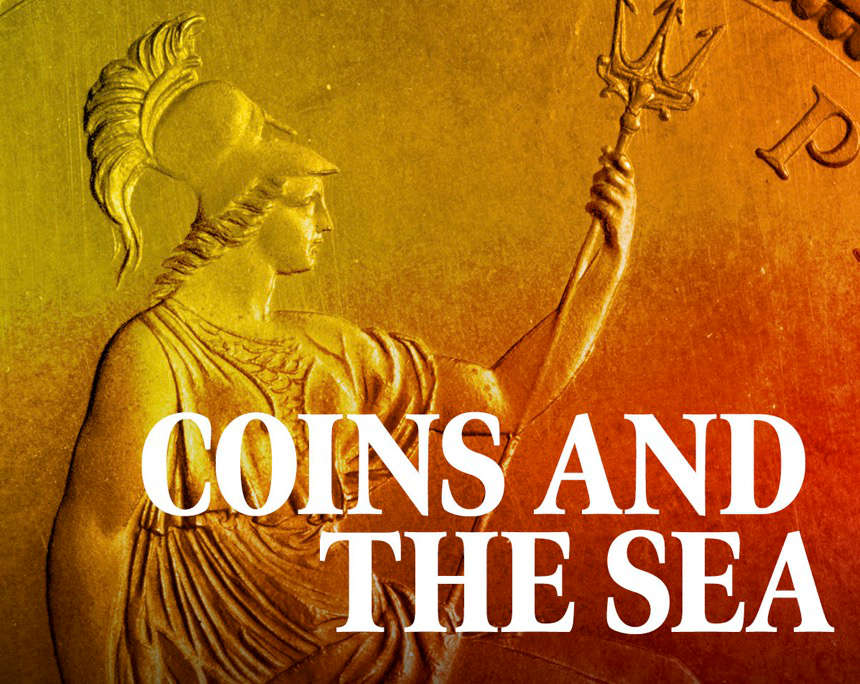
Numismatics for the Ears: The Royal Mint Museum Explores Britain’s Seafaring History in New Podcast
The Royal Mint Museum has launched its first-ever podcast series, called “Coins and the Sea.” The podcast is part of a wider project, which includes a temporary exhibition at The Royal Mint Experience.
Archive: Coins, Medals and more
 https://new.coinsweekly.com/wp-content/uploads/2023/07/2023KW30HA_00.jpg
684
860
Ursula Kampmann
https://new.coinsweekly.com/wp-content/uploads/2023/01/logo-coinsweekly_590x204.png
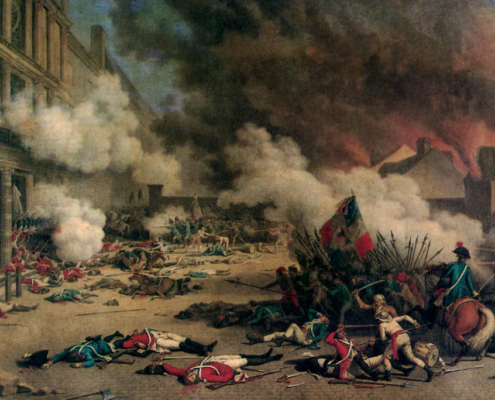
Ursula Kampmann2023-07-27 09:11:342023-07-27 09:11:34French History in Coins – Part 1: Kings, Consuls and Emperors
https://new.coinsweekly.com/wp-content/uploads/2023/07/2023KW30HA_00.jpg
684
860
Ursula Kampmann
https://new.coinsweekly.com/wp-content/uploads/2023/01/logo-coinsweekly_590x204.png
Ursula Kampmann2023-07-27 09:11:342023-07-27 09:11:34French History in Coins – Part 1: Kings, Consuls and Emperors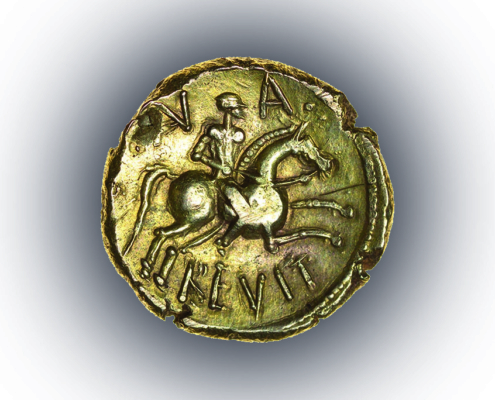 https://new.coinsweekly.com/wp-content/uploads/2024/11/2024KW45HA2_00.jpg
684
860
Bruno
https://new.coinsweekly.com/wp-content/uploads/2023/01/logo-coinsweekly_590x204.png
Bruno2024-11-07 07:54:412024-11-07 13:16:47Was Anarevito a Slave Trader?
https://new.coinsweekly.com/wp-content/uploads/2024/11/2024KW45HA2_00.jpg
684
860
Bruno
https://new.coinsweekly.com/wp-content/uploads/2023/01/logo-coinsweekly_590x204.png
Bruno2024-11-07 07:54:412024-11-07 13:16:47Was Anarevito a Slave Trader?
CIT’s Daydreamer – Adventure
CIT’s “Daydreamer” coins pull aside the curtain between worlds. In 2022, a man looked to the future, in the second issue a little boy looks to the past. The love of escaping the world in a daydream with state-of-the-art smartminting® technology.
Using Coins as Sources: The Roman Provinces, 300 BCE–300 CE
The series “Guides to the Coinage of the Ancient World” has a new volume. Andrew Burnett has published his work on Roman Provincial coins, highlighting the unique insights these coins provide into the Roman world. Order by the end of January for a 20% discount!