






Archive: People and Markets
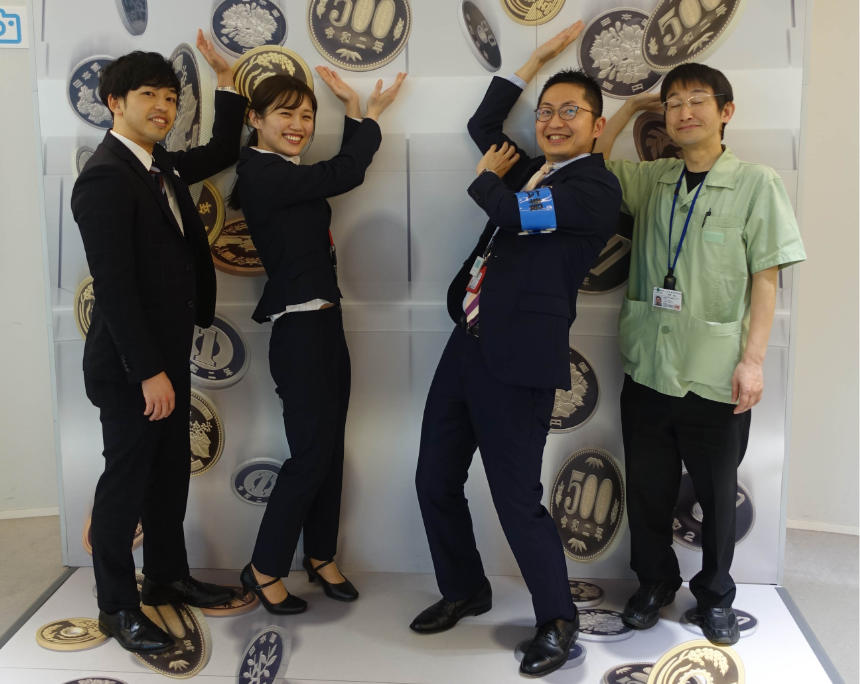
A Visit to the Japan Mint
Japan is a country where cash still plays an important role. Therefore, the Japan Mint is not a single institution but consists of several branches. Ursula Kampmann visited their offices in Saitama. Join her on a tour through the mint!
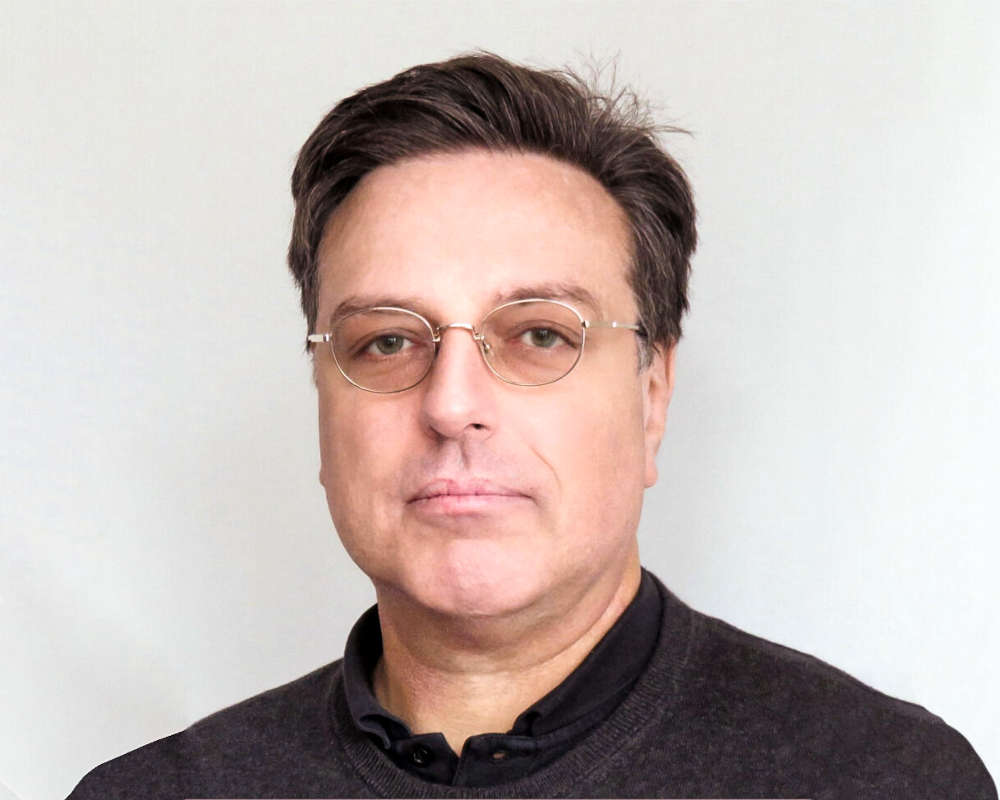
2022 Huntington Medal Award Goes to Wolfgang Fischer-Bossert
Dr. Wolfgang Fischer-Bossert is the recipient for the 2022 Huntington Medal in recognition of his outstanding contributions to numismatic scholarship.
Archive: Coins, Medals and more
 https://new.coinsweekly.com/wp-content/uploads/2024/09/2024KW39HA_00.jpg
684
860
Sebastian Wieschowski
https://new.coinsweekly.com/wp-content/uploads/2023/01/logo-coinsweekly_590x204.png
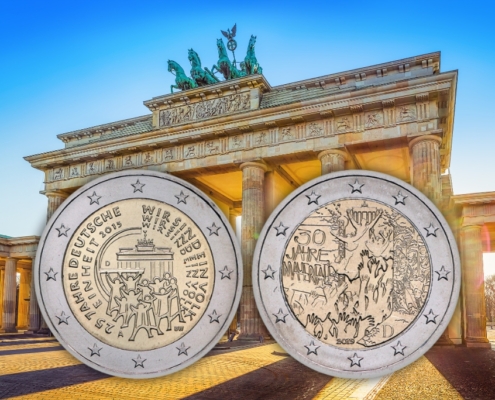
Sebastian Wieschowski2024-09-26 06:00:552024-09-26 09:25:24Unity Coin Sows Discord: More Than Just a Matter of Taste?
https://new.coinsweekly.com/wp-content/uploads/2024/09/2024KW39HA_00.jpg
684
860
Sebastian Wieschowski
https://new.coinsweekly.com/wp-content/uploads/2023/01/logo-coinsweekly_590x204.png
Sebastian Wieschowski2024-09-26 06:00:552024-09-26 09:25:24Unity Coin Sows Discord: More Than Just a Matter of Taste? https://new.coinsweekly.com/wp-content/uploads/2024/03/00-2024KW13aHauptartikel_00.jpg
684
860
Sebastian Wieschowski
https://new.coinsweekly.com/wp-content/uploads/2023/01/logo-coinsweekly_590x204.png
Sebastian Wieschowski2024-03-28 08:00:342024-03-28 10:58:28Croatia’s First Year as a Euro Country: A New Era for Coin Collectors and the Croatian Mint
https://new.coinsweekly.com/wp-content/uploads/2024/03/00-2024KW13aHauptartikel_00.jpg
684
860
Sebastian Wieschowski
https://new.coinsweekly.com/wp-content/uploads/2023/01/logo-coinsweekly_590x204.png
Sebastian Wieschowski2024-03-28 08:00:342024-03-28 10:58:28Croatia’s First Year as a Euro Country: A New Era for Coin Collectors and the Croatian Mint
Museums, the Coin Market, and the Public – Insights Into a Fruitful Cooperation
On the occasion of the Evento Numismático in Madrid, CoinsWeekly will host an international conference session on the cooperation of all stakeholders in numismatics. We feel honoured that the organisers asked us to contribute to this event.
CoinsWeekly Special Issue for the Evento Numismático International Madrid 2025
On the occasion of the 2025 Evento Numismático International in Madrid, we are once again publishing one of our printed CoinsWeekly Special Issues, this time in Spanish. Read all about the Traveling Emperor Hadrian and his coinage.