











Archive: People and Markets
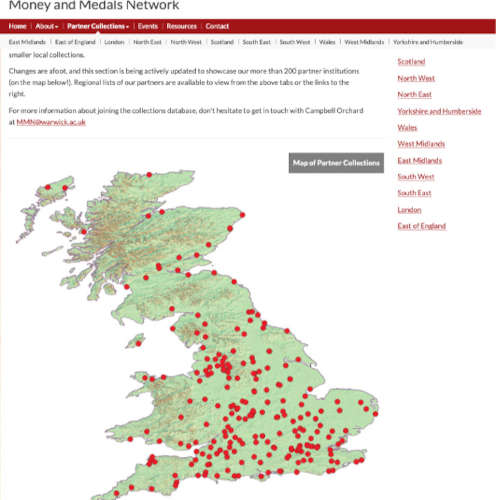
The Money and Medals Network: A New Era
With the end of financing and their relocation, the Money and Medals Network in Great Britain faces new opportunities and challenges.
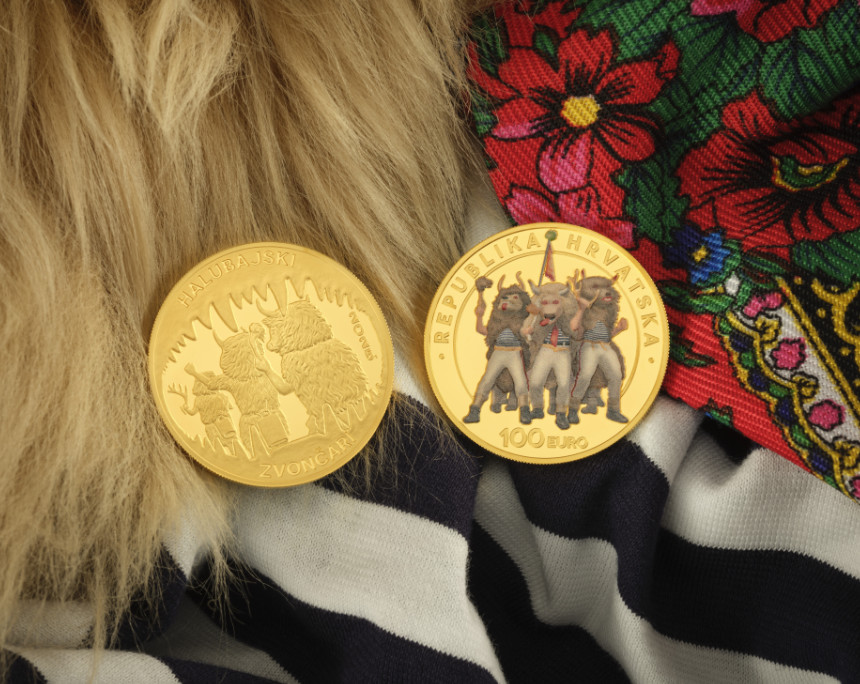
New Issues From Croatia: Halubje Bell Ringers to Chase Away the Winter
Croatia has a unique carnival tradition. Masked figures chase away the winter with their large bells. These bell ringers have been on the UNESCO Intangible Cultural Heritage List since 2009. The Croatian Mint dedicates three commemorative coins to them, issued on 18 February 2025.
Archive: Coins, Medals and more
 https://new.coinsweekly.com/wp-content/uploads/2023/12/2023KW51HA_00.jpg
684
860
Ursula Kampmann
https://new.coinsweekly.com/wp-content/uploads/2023/01/logo-coinsweekly_590x204.png
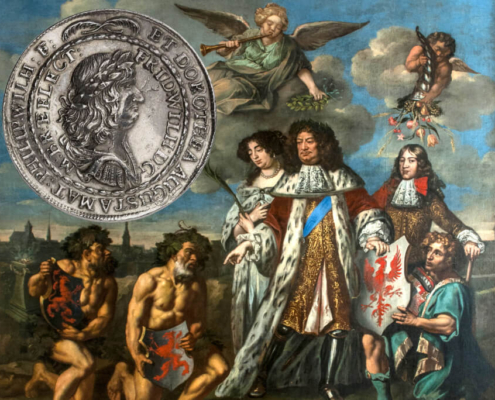
Ursula Kampmann2023-12-21 09:39:422023-12-21 09:51:29The Great Elector, Taxes and the Rise of Prussia
https://new.coinsweekly.com/wp-content/uploads/2023/12/2023KW51HA_00.jpg
684
860
Ursula Kampmann
https://new.coinsweekly.com/wp-content/uploads/2023/01/logo-coinsweekly_590x204.png
Ursula Kampmann2023-12-21 09:39:422023-12-21 09:51:29The Great Elector, Taxes and the Rise of Prussia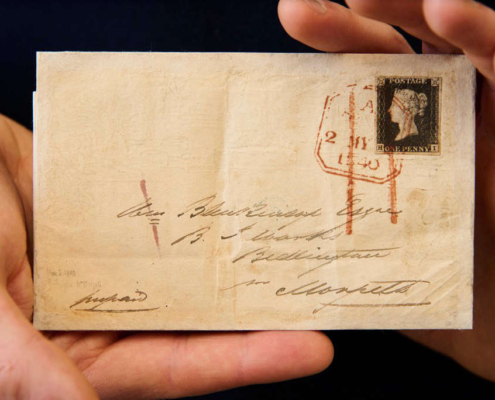 https://new.coinsweekly.com/wp-content/uploads/2024/01/2024KW05HA_00.jpg
684
860
Ursula Kampmann
https://new.coinsweekly.com/wp-content/uploads/2023/01/logo-coinsweekly_590x204.png
Ursula Kampmann2024-01-31 13:34:492024-01-31 13:34:49The First Piece of Mail Sent Using a Stamp to Be Offered at Sotheby’s
https://new.coinsweekly.com/wp-content/uploads/2024/01/2024KW05HA_00.jpg
684
860
Ursula Kampmann
https://new.coinsweekly.com/wp-content/uploads/2023/01/logo-coinsweekly_590x204.png
Ursula Kampmann2024-01-31 13:34:492024-01-31 13:34:49The First Piece of Mail Sent Using a Stamp to Be Offered at Sotheby’s
Swinging London: Coinex 2024
Despite Brexit and competing events, Coinex is definitely worth a trip – especially to meet the many young dealers who gather there. After all, London is swinging at Coinex, too! Ursula Kampmann reports.
Ruthenium on Euro Commemorative Coins: Mints Turn to Innovative Finishes – with the Blessing of Central Banks
Coins with exotic precious metal coatings have long been viewed with skepticism, but Malta has now set a new trend with a galvanised commemorative coin. Other eurozone countries are also embracing innovative finishing techniques to capture contemporary tastes.