











Archive: People and Markets
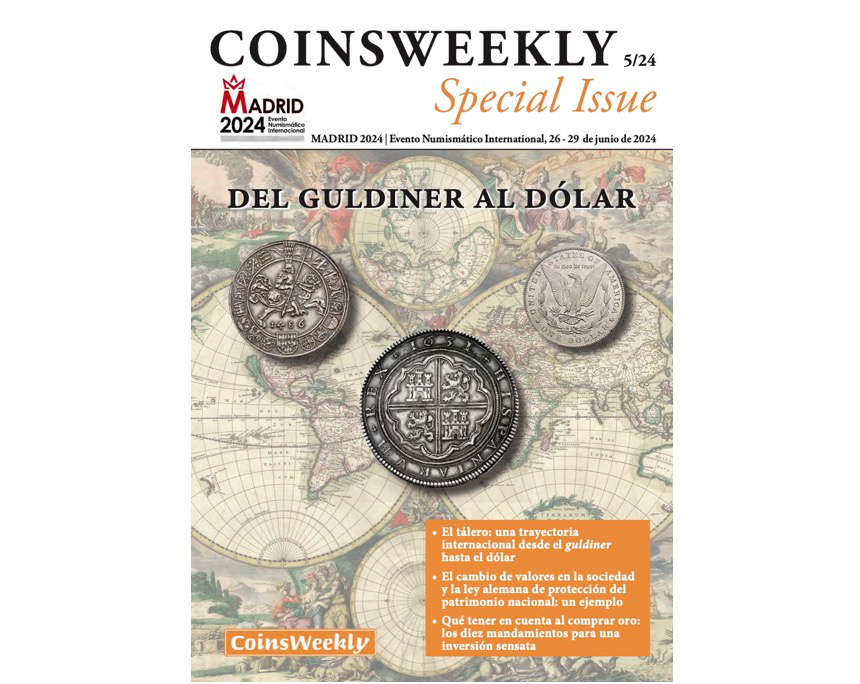
CoinsWeekly Special Issue for the Evento Numismático International Madrid 2024
On the occasion of the new Evento Numismático International in Madrid, we are once again publishing one of our printed CoinsWeekly Special Issues, this time in Spanish. Read about the history of the taler, the protection of cultural assets and much more!
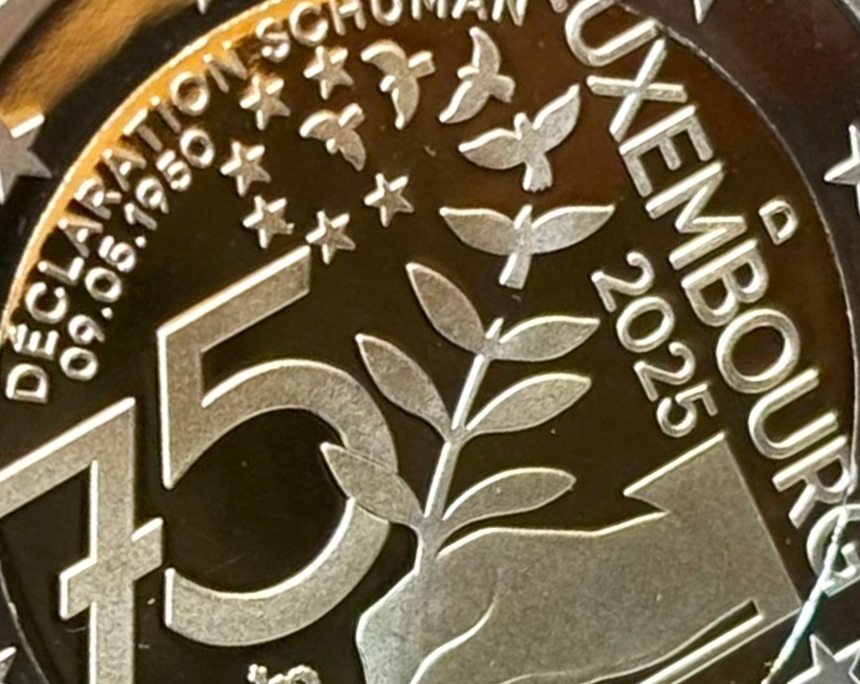
2-Euro Ticker: New Releases in May 2025
Luxembourg celebrates the 25th anniversary of the Grand Duke’s accession – and prepares for his farewell – with a little help from a German mint. Italy, Finland, and Malta also delight the euro coin community with new designs.
Archive: Coins, Medals and more
 https://new.coinsweekly.com/wp-content/uploads/2023/06/00_Value_of_coins.jpg
750
1000
Bruno
https://new.coinsweekly.com/wp-content/uploads/2023/01/logo-coinsweekly_590x204.png
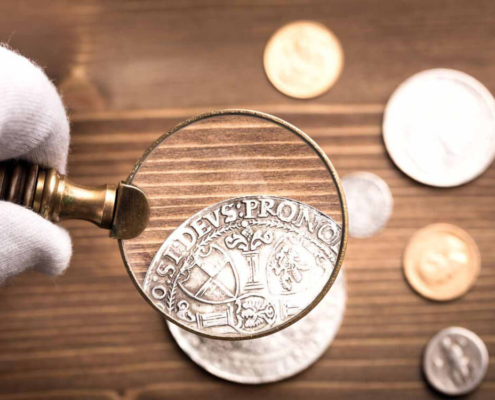
Bruno2022-06-13 10:56:082023-06-27 11:29:37Planchet Error, Overstrike, Double-Strike, Etc.: Which Errors Affect the Price of a Coin? – Part 1
https://new.coinsweekly.com/wp-content/uploads/2023/06/00_Value_of_coins.jpg
750
1000
Bruno
https://new.coinsweekly.com/wp-content/uploads/2023/01/logo-coinsweekly_590x204.png
Bruno2022-06-13 10:56:082023-06-27 11:29:37Planchet Error, Overstrike, Double-Strike, Etc.: Which Errors Affect the Price of a Coin? – Part 1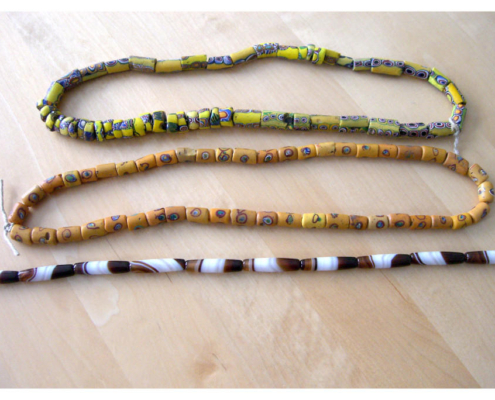 https://new.coinsweekly.com/wp-content/uploads/2025/04/2025KW16HA01_00.jpg
684
860
Lucie Loechel
https://new.coinsweekly.com/wp-content/uploads/2023/01/logo-coinsweekly_590x204.png
Lucie Loechel2025-04-17 08:34:042025-04-17 14:10:25What People Used to Pay With in South Africa
https://new.coinsweekly.com/wp-content/uploads/2025/04/2025KW16HA01_00.jpg
684
860
Lucie Loechel
https://new.coinsweekly.com/wp-content/uploads/2023/01/logo-coinsweekly_590x204.png
Lucie Loechel2025-04-17 08:34:042025-04-17 14:10:25What People Used to Pay With in South Africa
New Permanent Coin Exhibition at the Ducal Palace of Mantua
The most comprehensive collection of Mantua and Gonzaga coins and medals is now on long-term display at the Ducal Palace of Mantua. The exhibition is curated by numismatist Massimo Rossi.
NGC Grading On-site in Munich in February
For the first time since 2019, NGC will be carrying out on-site coin grading at its office in Munich in February. Collectors and dealers have the opportunity to submit their treasures for grading at the World Money Fair in Berlin.