






Archive: People and Markets
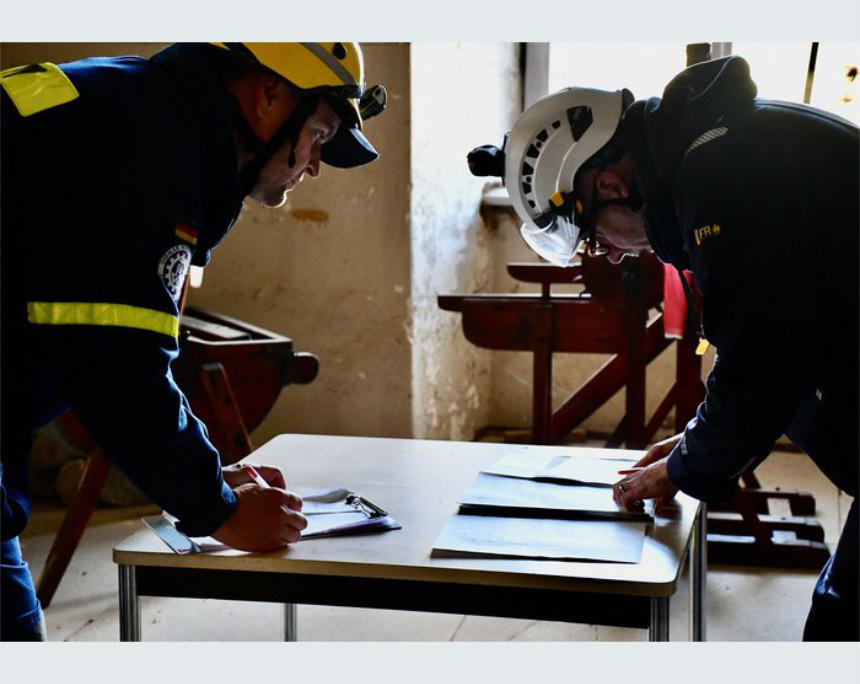
Training Exercise for Cultural Heritage Response Unit
The German Archaeological Institute (DAI), in cooperation with the German Federal Agency for Technical Relief (THW), is building an emergency response unit to provide rapid assistance in the event of disasters around the world. In a fictious earthquake scenario, experts were recently trained in how to protect and preserve cultural heritage.
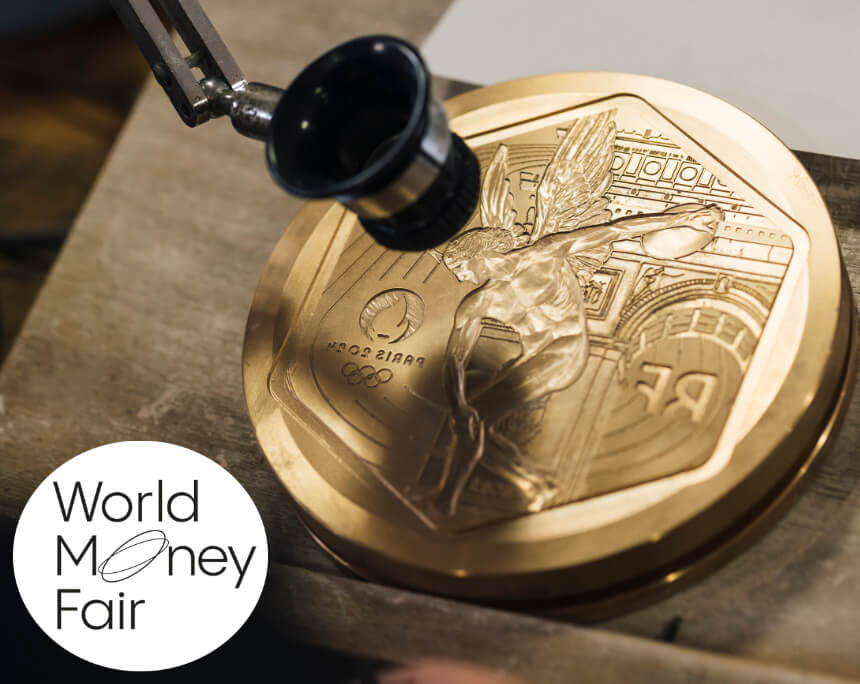
France is the Guest of Honor at the World Money Fair 2024
In 2024, the World Money Fair will feature a country as guest of honor again: The Monnaie de Paris represents France at the world’s largest coin fair, taking place from February 2 to 4 at the Estrel Congress Center in Berlin.
Archive: Coins, Medals and more
 https://new.coinsweekly.com/wp-content/uploads/2023/09/2023KW39HA_00b.jpg
684
860
Ursula Kampmann
https://new.coinsweekly.com/wp-content/uploads/2023/01/logo-coinsweekly_590x204.png
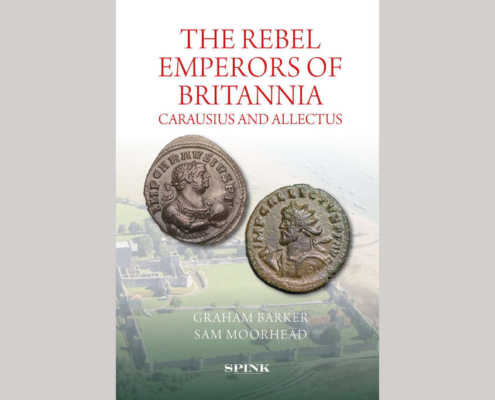
Ursula Kampmann2023-09-28 08:28:482023-09-28 12:21:21Rebel Emperors of Britannia: Carausius and Allectus
https://new.coinsweekly.com/wp-content/uploads/2023/09/2023KW39HA_00b.jpg
684
860
Ursula Kampmann
https://new.coinsweekly.com/wp-content/uploads/2023/01/logo-coinsweekly_590x204.png
Ursula Kampmann2023-09-28 08:28:482023-09-28 12:21:21Rebel Emperors of Britannia: Carausius and Allectus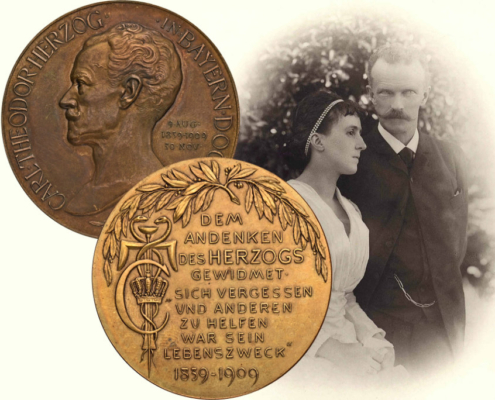 https://new.coinsweekly.com/wp-content/uploads/2024/10/2024KW42HA1_00.jpg
684
860
Lucie Loechel
https://new.coinsweekly.com/wp-content/uploads/2023/01/logo-coinsweekly_590x204.png
Lucie Loechel2024-10-17 10:51:292024-10-17 15:10:28Carl Theodor in Bavaria: The Old Nobility Takes Up a New Role
https://new.coinsweekly.com/wp-content/uploads/2024/10/2024KW42HA1_00.jpg
684
860
Lucie Loechel
https://new.coinsweekly.com/wp-content/uploads/2023/01/logo-coinsweekly_590x204.png
Lucie Loechel2024-10-17 10:51:292024-10-17 15:10:28Carl Theodor in Bavaria: The Old Nobility Takes Up a New Role
9th International Symposium in Early Medieval Coinage 2024
The 9th International Symposium in Early Medieval Coinage will be held in April 2024. The symposium is a great opportunity for specialists, collectors and detectorists to meet – and of course to give a talk.
Black Lizard: The Second Issue of the Autochthonous Croatia Series
If you want to witness how Darwin’s natural selection works, there is no need to travel to the Galápagos Islands. The lizards on Croatian islands are just as diverse as Galápagos tortoises. The Croatian Mint has dedicated its latest issue of the Autochthonous Croatia series to a very special lizard species.