







Archive: People and Markets
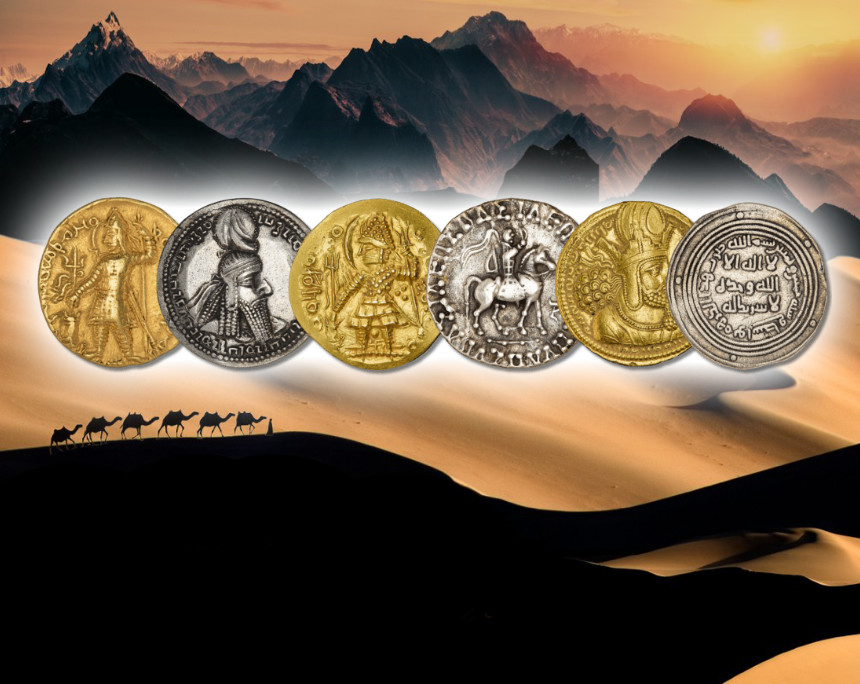
Silk, Silver, and Spice: Money Museum’s New Exhibit Explores Treasures of Trade
Today, the Edward C. Rochette Money Museum in Colorado Springs opens its newest exhibition. “The Silk Road(s): A Numismatic Travelogue” will take observers on a journey of commerce, culture, and connections made possible through coinage.
ANA eLearning Academy Now Without Access Restrictions
It is no longer necessary to be an ANA member or to log in to access the content of the American Numismatic Association’s eLearning Academy. A wealth of numismatic education opportunities is available there and easy to access.
Archive: Coins, Medals and more
 https://new.coinsweekly.com/wp-content/uploads/2024/06/2024KW23HA_00.jpg
684
860
Ursula Kampmann
https://new.coinsweekly.com/wp-content/uploads/2023/01/logo-coinsweekly_590x204.png
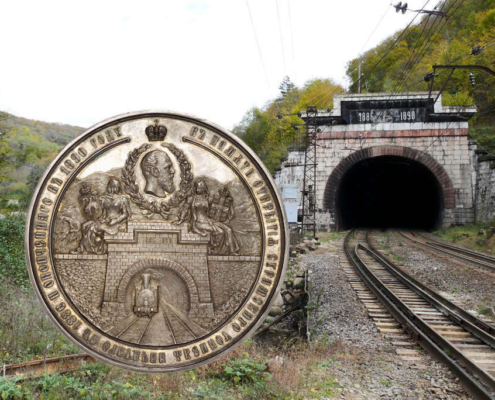
Ursula Kampmann2024-06-06 10:42:582024-06-06 12:38:59For Railroad Fans: The Suram Tunnel
https://new.coinsweekly.com/wp-content/uploads/2024/06/2024KW23HA_00.jpg
684
860
Ursula Kampmann
https://new.coinsweekly.com/wp-content/uploads/2023/01/logo-coinsweekly_590x204.png
Ursula Kampmann2024-06-06 10:42:582024-06-06 12:38:59For Railroad Fans: The Suram Tunnel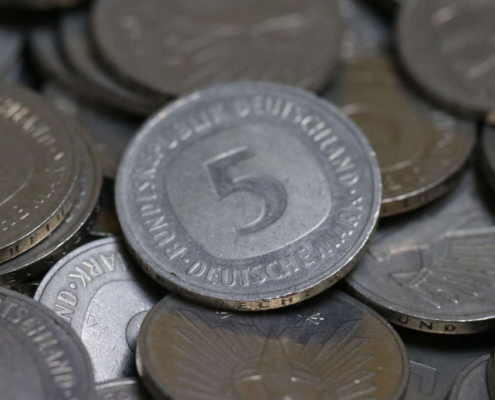 https://new.coinsweekly.com/wp-content/uploads/2024/08/2024KW35HA_00.jpg
684
860
Sebastian Wieschowski
https://new.coinsweekly.com/wp-content/uploads/2023/01/logo-coinsweekly_590x204.png
Sebastian Wieschowski2024-08-29 08:00:232024-08-29 09:45:04Marks and Pfennigs in Your Inheritance: What Should Heirs Do with Old DM Coins?
https://new.coinsweekly.com/wp-content/uploads/2024/08/2024KW35HA_00.jpg
684
860
Sebastian Wieschowski
https://new.coinsweekly.com/wp-content/uploads/2023/01/logo-coinsweekly_590x204.png
Sebastian Wieschowski2024-08-29 08:00:232024-08-29 09:45:04Marks and Pfennigs in Your Inheritance: What Should Heirs Do with Old DM Coins?
Red Alert at the British Museum
Thousands of objects have disappeared from the British Museum – allegedly stolen by a senior curator. The matter was uncovered by an antiquities dealer, whose warnings fell on deaf ears. The museum’s director has stepped down, and this seems to be merely the tip of the iceberg.
PNG 2023 Lifetime Achievement Award to Robert Brueggeman
Robert Brueggeman has been honored by the Professional Numismatists Guild with the 2023 Harvey G. Stack Lifetime Achievement Award. He was not the only numismatist to be honored with a PNG award.