






Archive: People and Markets
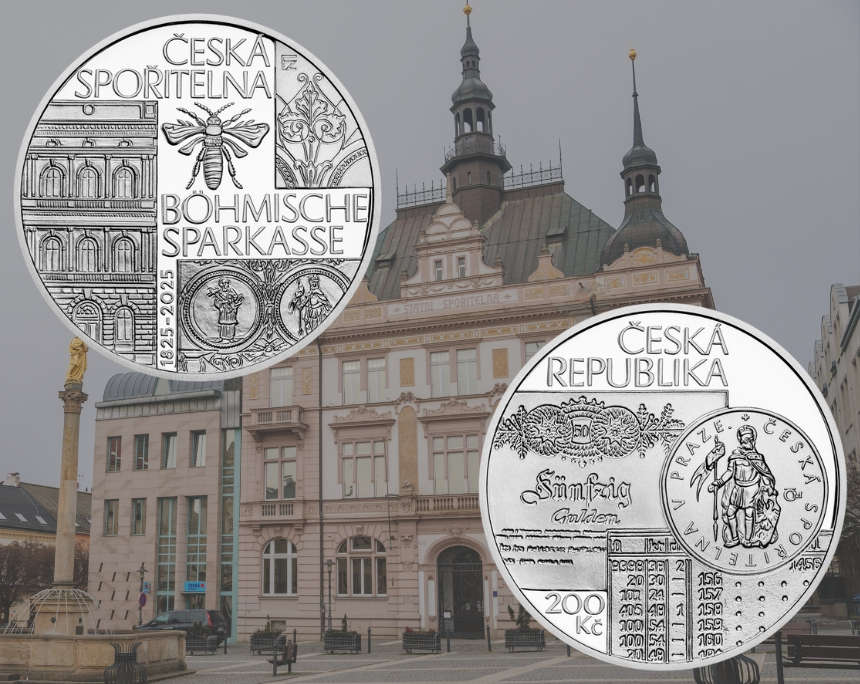
200 Years of the Bohemian Savings Bank: A Piece of Monetary History in Coin Form
In 2025, the Czech National Bank will issue a silver commemorative coin with a nominal value of 200 koruna. The coin marks the founding of the Bohemian Savings Bank.

Stack’s Bowers Galleries Opening New Office in Copenhagen
Stack’s Bowers Galleries have opened their newest office in the heart of Copenhagen, Denmark. The team consists of the experienced numismatists Michael Fornitz, Henrik Berndt and Peter Bjørnstrup.
Archive: Coins, Medals and more
 https://new.coinsweekly.com/wp-content/uploads/2023/06/00ab.jpg
486
1000
Bruno
https://new.coinsweekly.com/wp-content/uploads/2023/01/logo-coinsweekly_590x204.png
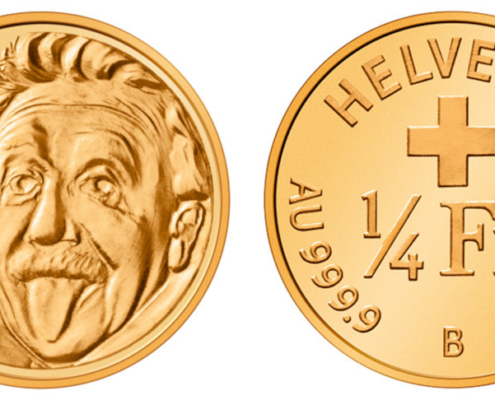
Bruno2022-06-13 13:27:592023-06-29 11:34:06Swissmint, a Mint of Records
https://new.coinsweekly.com/wp-content/uploads/2023/06/00ab.jpg
486
1000
Bruno
https://new.coinsweekly.com/wp-content/uploads/2023/01/logo-coinsweekly_590x204.png
Bruno2022-06-13 13:27:592023-06-29 11:34:06Swissmint, a Mint of Records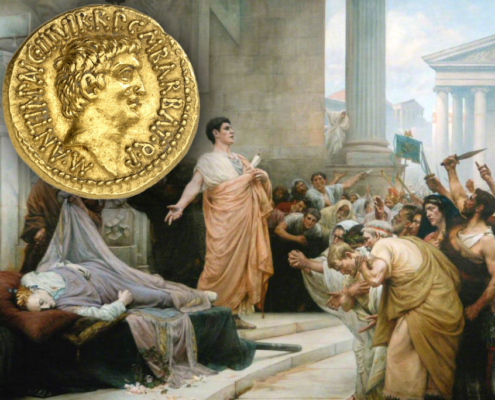 https://new.coinsweekly.com/wp-content/uploads/2025/02/2025KW07HA01_00.jpg
684
860
Lucie Loechel
https://new.coinsweekly.com/wp-content/uploads/2023/01/logo-coinsweekly_590x204.png
Lucie Loechel2025-02-13 09:44:362025-02-13 10:00:07Marcus Antonius: The Loser Who Did Not Write History
https://new.coinsweekly.com/wp-content/uploads/2025/02/2025KW07HA01_00.jpg
684
860
Lucie Loechel
https://new.coinsweekly.com/wp-content/uploads/2023/01/logo-coinsweekly_590x204.png
Lucie Loechel2025-02-13 09:44:362025-02-13 10:00:07Marcus Antonius: The Loser Who Did Not Write History
Coins from the Era of Marius and Sulla Discovered in Tuscany
In the Livorno region, a hoard of 175 Roman Republican denarii of remarkable quality was found in 2021. The existence of the treasure was kept secret until an exhibition displayed the pieces in 2023.
Beware of This Scam! These Euro Error Coins Are Not Error Coins
The Internet is currently full of so-called “error coins” – and many collectors fall victim to fraudulent offers. Our author numiscontrol explains what you need to know about the minting process to easily notice when something is off.